
A kamado grill is a significant purchase, and you want to know how long it will last. With proper care, a high-quality kamado grill can last for several decades, making it one of the longest-lasting types of grills you can own. Its lifespan depends on the brand, materials, and maintenance, as lower-quality models may wear out sooner, while well-built ceramic grills can withstand years of regular use.
In this article, you will learn what affects a kamado grill’s lifespan and how to keep yours working well for years to come.
The Expected Lifespan of a Kamado
 A kamado can last a long time, but its components have different lifespans. The ceramic body usually outlasts smaller working parts, so the grill’s overall lifespan depends on both.
Why a Quality Ceramic Grill Can Last 20 Years or More
A ceramic kamado is built to handle years of regular use. Ceramic does not rust, so it avoids the gradual corrosion that can affect metal grills. With basic care, a good ceramic kamado can last for several decades. Ceramic also retains heat well, helping maintain cooking temperatures during long cooks.
Leading manufacturers like Kamado Joe and Big Green Egg have popularized these heavy-duty ceramic bodies because high-fire clay rarely degrades over time.
A well-maintained grill can deliver steady performance year after year without the body wearing out. This is why many buyers consider ceramic grills among the longest-lasting pieces of outdoor cooking equipment. The main risks to the ceramic body are impact and sudden temperature changes, rather than normal wear.
Why Replaceable Parts Have Shorter Lifespans
Parts used frequently tend to wear out faster than the ceramic shell. Gaskets, grates, and hinges are exposed to heat, ash, and moisture.
A gasket may flatten or burn away after a few years, especially if you often grill at high temperatures. Metal grates can corrode if left damp, while fire grates can weaken after repeated exposure to ash and heat.
These parts are designed to be replaced when they wear out. Replacing them as needed helps keep your grill working well. Choosing a kamado with readily available spare parts can help you avoid replacing the whole grill when only one component needs attention.
How Construction Affects Durability
 The kamado grill materials used to build your kamado grill affect how long it lasts and how well it holds heat during long cooks. Thick ceramic walls and well-fitted parts help a grill retain heat, though ceramic can still crack if struck or exposed to sudden temperature changes.
Ceramic Versus Metal Bodies
Evaluating kamado grill materials helps highlight key differences between ceramic cookers and insulated metal options.
Your kamado’s body is likely made of thick ceramic, which sets it apart from a conventional steel grill. Ceramic does not rust or warp like metal, though it can crack if damaged or exposed to sudden temperature changes. A well-built kamado grill can last 20 years or more with proper care.
Metal grills can break down faster. Steel parts may rust when exposed to moisture, and thin metal walls can warp under extreme heat.
Ceramic has a key vulnerability: it can crack if struck or exposed to sudden temperature changes. Protect the grill from impact and avoid rapid heating or cooling to reduce the risk of damage.
How Heat Retention Relates to Long-Term Performance
Heat retention affects how consistently your grill cooks and how often you need to adjust it. Thick ceramic walls trap heat inside the cooking chamber, helping maintain a steady temperature.
Good heat retention reduces the need for frequent temperature adjustments. A grill that struggles to hold heat may require more fuel and attention, though these factors do not necessarily cause extra wear on its internal components.
Good heat retention also helps food cook more evenly. During long cooks, such as smoking or roasting, you may notice fewer temperature swings, which helps you maintain consistent cooking results.
Parts Most Likely to Need Replacement
 Some parts wear out faster than others on a kamado grill. Knowing what to check and when helps you keep your grill working well for years.
Gaskets, Cooking Grates, and Metal Hardware
Your gasket may be the first part you need to replace. It sits between the lid and the base, where it is exposed to heat, smoke, and grease. Many owners find that the factory gasket needs replacing every 2 to 4 years, depending on how often they cook.
Your cooking grates also take a beating. Grease and high heat can cause them to warp over time. If food sticks more than it used to or the grate no longer sits flat, it may be time to replace it.
Metal hardware needs attention too. Hinges, bands, handles, and vents can develop rust and corrosion, especially if your grill stays outside year-round. Check these parts for stiffness or visible rust each season.
Firebox and Fire Ring Cracks
Your firebox and fire ring contain and manage the charcoal fire inside your grill. These ceramic parts go through repeated heating and cooling, so cracks can form over time.
A small hairline crack is usually not a problem. Many fireboxes continue to work with minor cosmetic damage. Watch for cracks that grow, pieces that shift or crumble, or damage that affects airflow through the firebox.
If your fire ring no longer sits evenly or your charcoal burns unevenly, inspect both parts closely. Replace them if they no longer support a stable, controlled fire.
What Can Shorten a Grill’s Life
 A kamado grill can last for decades, but certain actions and conditions can shorten its lifespan. Rough handling, weather exposure, and skipped maintenance can damage components and shorten the life of the grill.
Impact, Thermal Shock, and Structural Cracks
Ceramic grills are durable, but they are not indestructible. A hard knock while moving the grill or dropping something heavy on the lid can crack the body. These cracks may start small and worsen with repeated heating and cooling.
Thermal shock is another risk. It occurs when ceramic heats or cools too quickly, causing uneven expansion or contraction. Pouring cold water on a hot grill can cause thermal shock. Opening the lid quickly during a high-heat cook is not generally a cause, but it can expose you to a sudden flare-up.
Here are common causes of cracks:
- Dropping or bumping the grill during moves
- Closing the lid too hard
- Sudden temperature swings
- Using the grill without enough ash removed, which can restrict airflow and affect temperature control
Moisture, Weather Exposure, and Frequent Use
Moisture can damage a kamado grill’s metal parts over time. Rain, snow, and humidity can contribute to rust and corrosion on hinges, hardware, and grates, especially if the grill is not dried or protected.
Leaving your grill uncovered in freezing temperatures can increase the risk of damage if moisture gets into cracks and freezes. A weatherproof cover and dry storage when the grill is not in use can help protect it.
Frequent use adds wear, mainly to smaller parts rather than the ceramic body. Gaskets may wear out sooner with regular high-heat cooking, and metal components such as grates and thermometers may need earlier replacement with heavy use. According to Tasting Table, these smaller parts are usually the first to fail, not the ceramic shell.
Maintenance That Protects Your Investment
 Simple habits help keep your kamado grill working well for years. Regular cleaning and careful handling protect the firebox, cooking grates, and ceramic shell from damage.
Adopting regular care routines is the best strategy for extending kamado grill life season after season.
Clean Ash and Inspect Seals After Cooking
Ash buildup in the firebox can block airflow and make temperature control more difficult. Wait until the grill has cooled completely, then remove the ash with a small brush or vacuum before your next cook.
Leftover ash can also hold moisture, which may contribute to corrosion on metal parts over time. Clean it out every few cooks to keep air flowing properly.
Check the lid gasket while you’re at it. Run your finger along the seal to feel for gaps, cracks, or worn spots. A damaged gasket lets heat and smoke escape, wasting charcoal and making cooking less consistent. A quality kamado grill can last for decades with proper maintenance, but small issues like a worn gasket need prompt attention before they get worse.
Keep the Grill Dry and Handle Hot Ceramic Carefully
Moisture can damage your kamado grill. Ceramic can absorb water, while metal parts such as hinges and bands can rust if left wet. Dry your grill after cleaning, and use a cover to protect it from rain and snow.
Ceramic is strong, but sudden temperature changes or rough handling can cause it to crack. Never pour cold water on a hot grill, and avoid banging or dropping heavy lids and grates.
Let the grill cool down fully before moving or storing it. These steps are crucial for extending kamado grill life and keep the cooking grates and firebox in good shape for years of use.
When to Repair, Replace, or Claim a Warranty
 Most kamado grill problems are caused by a worn part, not failure of the entire grill. Knowing which parts you can repair and which issues may be covered by your warranty can save money and keep your grill working for years.
Signs a Part Replacement Is Enough
Loose or cracked felt gaskets are among the most common repairs. They wear down from heat and moisture, but replacing them is quick and inexpensive.
Rusty cooking grates are another common repair. You can clean light rust with a wire brush, but replace grates that are pitted or flaking.
Watch for these signs that a single part needs attention, not the whole unit:
- Smoke leaking from the lid – usually a worn gasket
- Wobbly or cracked base – check the metal band and feet
- Sticking or hard-to-turn vents – often need cleaning or a new daisy wheel
- Hairline cracks in the ceramic body – may be repairable with high-temperature cement, rather than requiring full replacement
If the ceramic shell is cracked through or crumbling, replacing the grill usually makes more sense than repairing it.
What Brand Warranties and Spare-Part Support Cover
Warranty coverage varies by brand, so check your paperwork before paying for repairs out of pocket. Kamado Joe offers a limited lifetime warranty on ceramic parts for as long as you own the grill, plus a 5-year warranty on metal components.
Big Green Egg and Char-Griller also offer warranties, but coverage periods and eligible parts differ. A Big Green Egg often includes lifetime warranty protection for original owners, whereas steel models have shorter coverage. Compare each brand’s terms directly, since warranty terms vary widely across kamado manufacturers.
Spare-part availability matters as much as warranty length. Established makers like Kamado Joe offer readily available replacement gaskets, grates, and hinges, helping keep your grill in use long after the original warranty ends.
Top 3 Kamado Grills: Durable and Reliable Choices
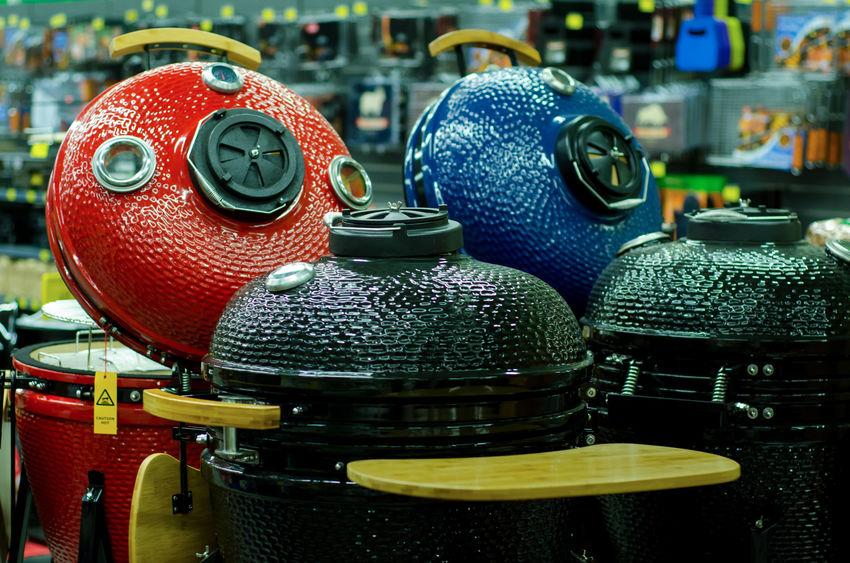 Kamado grills are known for their excellent heat retention, fuel efficiency, and versatility. Their insulated construction allows them to maintain steady temperatures for grilling, smoking, roasting, and slow cooking. However, durability varies depending on the materials, construction quality, and maintenance requirements.
Three models worth considering are the Kamado Joe Classic III, Char-Griller AKORN Jr., and Primo Oval Junior 200. Each offers a different combination of durability, cooking performance, and value.
Kamado Joe Classic III
The Kamado Joe Classic Joe Series III is a premium 18-inch ceramic charcoal grill and smoker designed for versatile outdoor cooking. Its three-tier Divide & Conquer cooking system allows you to cook different foods at different temperatures, while the SloRoller insert helps circulate heat and smoke during low-and-slow cooking.
Its thick ceramic body provides excellent insulation and can withstand years of regular use when handled and maintained correctly. Stainless-steel components also help resist corrosion, although metal parts and accessories may eventually require attention.
Kamado Joe offers a limited lifetime warranty on ceramic parts, subject to its warranty terms, along with separate coverage for metal components. With proper care, a ceramic kamado of this quality can potentially last 20 years or longer.
The Classic III stands out for its premium construction, advanced cooking system, and versatility. It is particularly suitable for enthusiasts who grill and smoke regularly and want a long-term investment rather than a basic charcoal grill.
Char-Griller AKORN Jr.
The Char-Griller AKORN Jr. offers a more affordable and portable alternative to traditional ceramic kamado grills. Its compact design makes it suitable for smaller outdoor spaces, camping trips, and grilling for a few people.
Unlike ceramic kamado grills, the AKORN Jr. uses triple-walled insulated steel construction to retain heat and maintain cooking temperatures. This design keeps the grill relatively lightweight while providing the insulation needed for grilling and smoking. Its cast-iron cooking grates provide a durable surface for searing meat, although they require appropriate care to prevent rust.
The AKORN Jr. has a shorter expected service life than a well-maintained premium ceramic kamado, as its steel body and protective finishes are more susceptible to corrosion over time. Char-Griller’s warranty coverage varies by component, so it is worth checking the current terms before purchasing. With regular cleaning, dry storage, and protection from the elements, the grill can provide many years of use.
Its main advantage is value for money. The AKORN Jr. is a practical choice for occasional grillers who want kamado-style heat retention without paying the higher price of a large ceramic model.
Primo Oval Junior 200
The Primo Oval Junior 200 is a premium ceramic kamado grill made in the USA. Unlike the traditional round design used by many competitors, its distinctive oval shape creates more flexibility when arranging food over direct and indirect cooking zones.
This design is particularly useful when grilling different foods simultaneously or setting up one side of the grill for searing and the other for slower cooking. Its thick ceramic construction provides excellent insulation, helping the grill maintain stable temperatures while reducing charcoal consumption.
Primo offers a limited lifetime warranty on ceramic components, with separate warranty periods for metal parts and accessories. Although the ceramic body can potentially last for several decades with proper care, hinges, seals, grates, and other replaceable components may need maintenance or replacement during its service life.
The Oval Junior 200 is an excellent option for serious barbecue enthusiasts who value cooking flexibility and long-term durability. Its oval shape provides a practical advantage for two-zone cooking, while its ceramic construction makes it a strong contender for anyone seeking a long-lasting kamado grill.
FAQs:Do Kamado Grills Last a Lifetime?
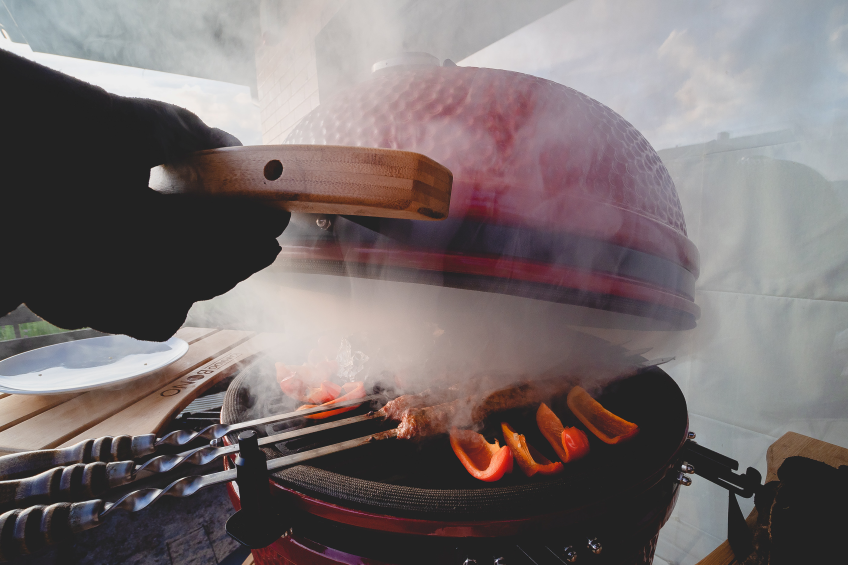 Some high-quality ceramic kamado grills can last for several decades, but they are not guaranteed to last a lifetime. Ceramic damage, worn components, and inadequate maintenance can shorten their useful life.
Does a Ceramic Kamado Grill Rust?
The ceramic body does not rust, but metal components such as hinges, vents, bolts, and cooking grates can corrode. Keeping these parts clean and protecting the grill from prolonged exposure to moisture helps prevent rust.
How Long Does a Kamado Joe Grill Last?
A Kamado Joe ceramic grill can last for decades with proper care. Gaskets, hinges, grates, and firebox components may need attention or replacement before the ceramic body reaches the end of its useful life.
Can a Kamado Grill Crack?
Yes. Ceramic can crack if the grill is dropped, struck, exposed to sudden temperature changes, or damaged by improper use. Avoid pouring cold water onto hot ceramic and follow the manufacturer’s heating and cooling instructions.
Do Kamado Grill Gaskets Need Replacing?
Yes. Gaskets can wear down, compress, or deteriorate with repeated heating. Inspect the seal periodically and replace it when it no longer closes properly or allows excessive air leakage.
How Often Should You Replace a Kamado Grill Firebox?
There is no fixed replacement schedule. Inspect the firebox for significant cracks, loose sections, or damage that affects its fit and function. Some hairline cracks can occur during normal use, so consult the manufacturer’s guidance before deciding that replacement is necessary.
Can You Leave a Kamado Grill Outside All Year?
Many kamado grills are designed for outdoor use, but prolonged exposure to rain, moisture, and freezing conditions can affect metal parts and accessories. A suitable cover and sheltered location can help protect the grill. Follow the manufacturer’s recommendations for your particular model.
Is a Kamado Grill Worth the Higher Price?
It can be, especially if you grill frequently and want one appliance for grilling, smoking, and roasting. Its long potential lifespan may help justify the initial cost, although replacement parts, accessories, and maintenance should also be considered.
What Is the Most Common Reason a Kamado Grill Wears Out?
The ceramic body may remain usable for many years, while seals, metal hardware, cooking grates, and firebox components often show wear first. Physical damage, corrosion, and poor maintenance can also shorten the grill’s lifespan.
What Is a Good, Reliable Kamado Grill for the Average Griller?
The Char-Griller AKORN Jr. is an affordable, reliable choice for everyday grilling. Its triple-walled insulated steel construction retains heat effectively, while its compact design makes it easy to store and transport. With proper care to prevent rust, it offers good value for occasional grillers.
Unlike traditional ceramic kamado grills, the AKORN Jr. has a steel body, which makes it lighter and easier to transport. However, steel can eventually rust if the protective finish deteriorates or the grill is repeatedly exposed to moisture. Keeping it clean, dry, and covered when not in use can help extend its service life.