
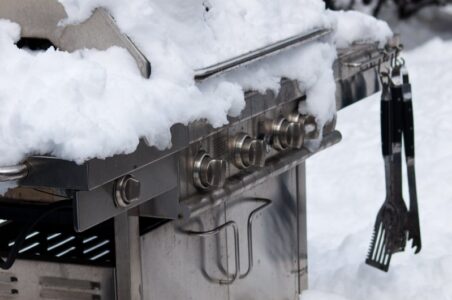
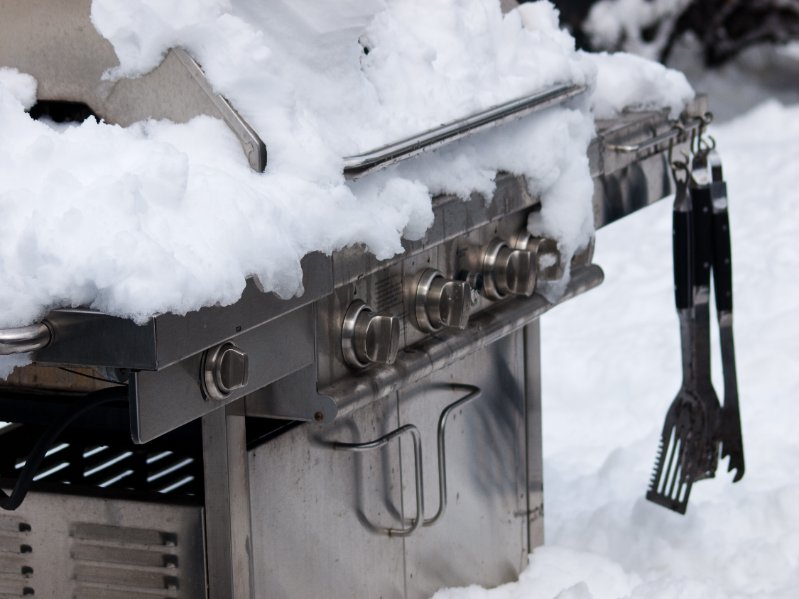
As winter approaches, many grill owners face the dilemma of what to do with their outdoor cooking equipment when temperatures drop and snow begins to fall.
The concern about potential damage from harsh weather conditions, moisture, and freezing temperatures often leads to uncertainty about proper winter grill storage.
Yes, you can leave a grill outside during winter, but it requires proper preparation, protection, and maintenance to prevent damage from cold weather elements.
Without adequate precautions, exposure to snow, ice, and moisture can lead to rust, mechanical issues, and shortened equipment lifespan.
Understanding the right protective measures, maintenance routines, and warning signs of weather damage can help grill owners make informed decisions about winter storage.
Whether someone chooses to keep their grill outdoors or move it to sheltered storage depends on factors like climate conditions, available space, and willingness to implement proper winterization steps.
Can You Leave a Grill Out During Winter?
 Most grills can remain outdoors during winter months with proper preparation and protection.
The success depends on your specific grill type, local climate conditions, and the protective measures you implement.
Factors That Affect Outdoor Grill Durability
Climate conditions play the most significant role in determining whether a grill can survive winter outdoors.
Areas with heavy snowfall, ice storms, and frequent temperature fluctuations create more challenging conditions than regions with mild winters.
Grill construction materials directly impact winter durability.
Stainless steel grills resist rust and corrosion better than painted steel models.
Cast iron components require more protection from moisture to prevent rust formation.
Protective covering serves as the primary defense against winter elements.
High-quality waterproof covers prevent snow and ice accumulation while allowing proper ventilation.
Covers should fit snugly without being too tight.
Shelter availability significantly improves grill survival rates.
Grills placed under covered patios, overhangs, or in partially enclosed areas experience less direct exposure to harsh weather conditions.
Potential Risks of Leaving Grills Outside
Moisture damage represents the greatest threat to outdoor grills during winter.
Snow and ice can cause rust formation, particularly on exposed metal surfaces and internal components.
Pest infestations become more likely when grills remain uncovered.
Rodents and insects seek shelter in grill cavities, potentially damaging burner tubes, electrical components, and gas lines.
Component freezing can occur when moisture enters gas lines, regulators, or control valves.
Frozen components may crack or malfunction when temperatures rise.
Weight stress from accumulated snow and ice can damage grill lids, shelves, and support structures.
Heavy snow loads exceed the design limits of many grill components.
Types of Grills and Their Winter Performance
Gas grills generally handle winter conditions well when properly winterized.
Propane tanks should be disconnected and stored upright.
Gas lines need protection from moisture infiltration.
Charcoal grills typically survive winter better due to simpler construction and fewer mechanical components.
Their basic design eliminates concerns about gas lines or electronic ignition systems.
Electric grills require the most protection during winter storage.
Electrical components must stay completely dry to prevent short circuits and component failure when reactivated.
Pellet grills need special attention due to their electronic controls and auger systems.
These components are sensitive to moisture and temperature extremes, requiring thorough winterization procedures.
Protecting Your Grill in Cold Weather

Cold weather protection requires a high-quality cover, proper preparation, and strategic placement to prevent rust, corrosion, and damage from snow and ice.
These three elements work together to extend your grill’s lifespan and maintain its performance through winter months.
Choosing the Right Grill Cover
When it comes to keeping your BBQ grill safe from rain, sun, and dust, selecting the right material for your cover is key.
Two of the best options are marine-grade vinyl and PVC-coated polyester, both designed to withstand the elements while protecting your grill for years to come.
For those who want premium durability, a marine-grade vinyl grill cover is an excellent choice.
 The Bear & Cubs Heavy-Duty BBQ Grill Cover is made from rugged marine-grade vinyl that provides superior resistance to water, UV rays, and harsh weather conditions.
Its heavy-duty construction ensures long-lasting use, keeping your grill protected through all seasons. You can see it here on Amazon.
If you prefer something lightweight yet tough, PVC-coated polyester is a great alternative.
 The Covers & All 18 oz PVC-Coated Polyester Grill Cover is crafted from 1000 Denier PVC-coated polyester, offering excellent protection against water, sun, and abrasions.
It’s designed for all-weather use and provides a snug fit, keeping your grill safe and clean year-round.
Whether you choose marine-grade vinyl for maximum durability or PVC-coated polyester for flexible, all-weather protection, investing in a quality cover ensures your grill stays in top condition for many seasons of outdoor cooking enjoyment.
Preparing Your Grill for Outdoor Storage
Clean the grill thoroughly before applying protection measures.
Remove all food residue, grease, and ash from cooking surfaces, drip pans, and interior components.
Disconnect and remove the propane tank from gas grills.
Store the tank upright in a dry, ventilated area away from freezing temperatures.
Never store propane tanks indoors or in enclosed spaces.
Apply a thin layer of cooking oil to metal surfaces after cleaning.
This creates a protective barrier against moisture and prevents rust formation on grates and other steel components.
Remove any detachable parts such as warming racks, thermometers, or side tables if possible.
Store these components in a garage or shed to minimize exposure to harsh conditions.
Check and tighten all bolts and connections before winter storage.
Cold temperatures can cause metal to contract, potentially loosening hardware over time.
Placement Tips to Minimize Weather Exposure
Position the grill on a raised platform or deck rather than directly on the ground.
This prevents moisture from pooling around the base and reduces contact with snow and ice.
Choose a location that receives some natural protection from prevailing winds.
Areas near buildings, fences, or large structures provide shelter from the harshest weather conditions.
Avoid placing the grill under trees or roof edges where ice and snow can fall directly onto the equipment.
Falling ice can damage covers and potentially dent the grill’s exterior.
Face the grill’s opening away from the direction of typical winter storms.
This positioning prevents wind-driven snow and rain from entering through gaps in the cover.
Create adequate clearance around the grill for snow removal and maintenance access.
Leave at least 2 feet of space on all sides to allow for snow buildup and cover adjustments.
Winter Grill Maintenance and Care
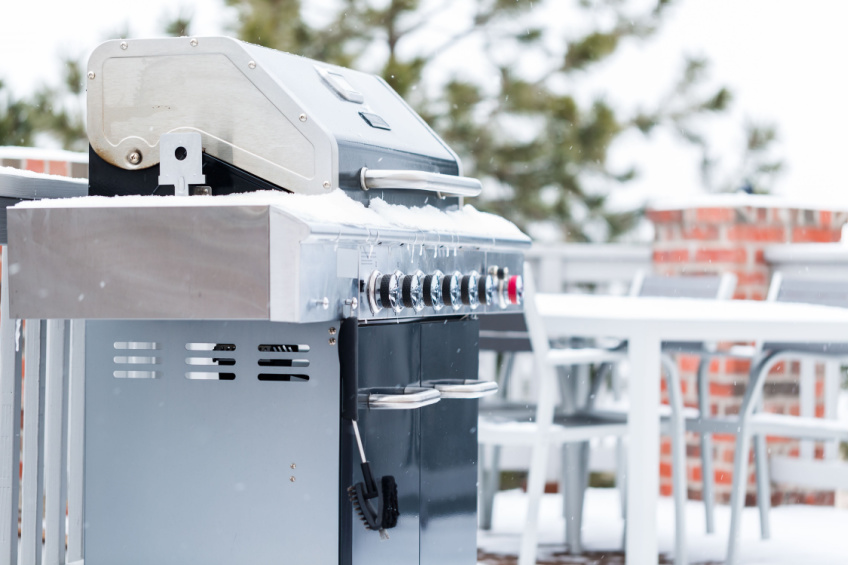 Proper winter maintenance involves thorough cleaning before storage, implementing rust prevention measures, and addressing the specific needs of gas and charcoal grills.
These steps protect your investment and ensure optimal performance when grilling season returns.
Cleaning Your Grill Before and After Winter
Deep cleaning before winter storage prevents food residue from attracting pests and causing corrosion.
Owners should heat the grill for 15 minutes to burn off stuck-on food particles.
Remove cooking grates and soak them in warm, soapy water.
Scrub away grease and food debris using a grill brush or steel wool for stubborn spots.
Clean the interior with a plastic scraper to remove grease buildup from walls and bottom.
Wash grease trays and drip pans thoroughly with dish soap.
Wipe down exterior surfaces with appropriate cleaners based on material type.
Stainless steel requires specialized cleaners, while painted surfaces need gentle soap solutions.
Spring cleaning checklist:
- Inspect for winter damage
- Clean accumulated debris and moisture
- Check gas connections for leaks
- Test ignition systems before first use
Preventing Rust and Corrosion
Moisture causes the most significant damage during winter months.
Complete drying after cleaning eliminates water that leads to rust formation.
Apply a thin coat of cooking oil to metal surfaces, including grates and interior walls.
This creates a protective barrier against moisture and prevents oxidation.
Key prevention strategies:
- Store in dry locations when possible
- Use breathable covers that allow air circulation
- Remove snow and ice regularly from exposed surfaces
- Keep vents slightly open to prevent condensation buildup
Stainless steel components resist rust better than painted surfaces.
However, they still require protection from salt air in coastal areas and road salt exposure.
Check vulnerable areas monthly during winter, including hinges, handles, and connection points.
Address any rust spots immediately with steel wool and touch-up paint.
Maintaining Gas and Charcoal Grills in Winter
Gas grills require propane tank removal in extremely cold temperatures below -40°F.
Store tanks upright in well-ventilated areas away from heat sources.
Disconnect and cap gas lines to prevent moisture entry.
Cover connection points with plastic bags secured by rubber bands for additional protection.
Gas grill winter tasks:
- Remove propane tanks in extreme cold
- Check regulator and hose connections
- Cover control knobs and ignition systems
- Ensure proper ventilation under covers
Charcoal grills need complete ash removal before storage.
Leftover ash retains moisture and accelerates corrosion of metal components.
Store charcoal in dry locations inside sealed containers.
Wet charcoal becomes unusable and creates disposal problems.
Clean out ash catchers and replace disposable drip pans before spring use.
Both grill types benefit from periodic inspection during winter months.
Remove covers monthly to check for moisture accumulation, pest activity, or weather damage.
What to Avoid When Leaving Grills Outside
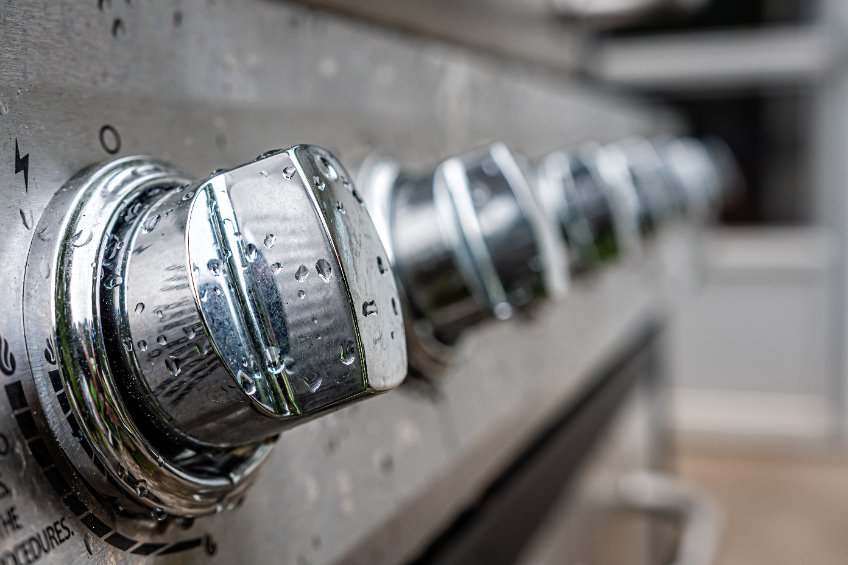
Several critical mistakes can cause expensive damage to grills left outdoors during winter months.
Using improper covers and neglecting essential cleaning steps before storage lead to the most common problems.
Common Mistakes That Damage Grills
Leaving grills completely uncovered exposes them to snow, ice, and freezing rain that causes rust and corrosion.
Metal components expand and contract with temperature changes, leading to cracks and warping.
Placing grills directly on wet ground creates moisture problems underneath the unit.
This trapped moisture accelerates rust formation on legs and base components.
Critical positioning errors include:
- Setting grills in low-lying areas where water pools
- Positioning against north-facing walls with no sun exposure
- Placing under trees where branches can fall and debris accumulates
Many grill owners forget to remove propane tanks before winter storage.
Extreme cold affects gas pressure and can damage tank valves.
Tanks should always be stored upright in ventilated areas above 32°F.
Failing to secure loose parts like grates, drip pans, and warming racks allows them to shift and bang against other components.
This movement causes scratches and dents that compromise the grill’s integrity.
Using Unapproved Grill Covers
Generic tarps and plastic sheeting trap condensation inside, creating ideal conditions for rust development.
These materials lack proper ventilation and waterproofing designed for grill protection.
Problems with improper covers:
- Plastic sheeting tears easily in wind
- Canvas tarps absorb water and freeze
- Loose-fitting covers blow off during storms
Quality grill covers feature breathable materials that prevent condensation while blocking moisture.
They include elastic hems or tie-downs that secure tightly around the base.
UV-resistant fabrics prevent cover deterioration from sun exposure during warmer days.
Covers should fit snugly without gaps where snow and rain can enter.
Some owners use car covers or furniture covers as substitutes.
These alternatives lack the specific design features needed for outdoor cooking equipment protection.
Improper Winter Cleaning Practices
Skipping the final cleaning before covering grills leaves food residue that attracts rodents and insects.
Grease and food particles also promote bacterial growth and create unpleasant odors.
Power washing grills without proper drying time leaves moisture in crevices and connections.
This trapped water freezes and expands, potentially cracking metal components and damaging seals.
Essential pre-winter cleaning steps:
- Remove all grease from drip pans and catch baskets
- Scrub cooking grates with appropriate cleaners
- Wipe down exterior surfaces completely dry
Using harsh chemicals or abrasive materials damages protective coatings on grill surfaces.
Stainless steel requires specific cleaners that won’t cause pitting or discoloration.
Forgetting to clean and oil moving parts like hinges and wheels leads to seized mechanisms.
These components need lubrication before winter storage to prevent freezing and corrosion.
Alternatives to Leaving Grills Outdoors

Moving grills indoors protects them from harsh winter conditions and extends their lifespan.
Storage options range from garages and sheds to specialized indoor spaces, while portable grills offer flexibility for winter cooking needs.
Indoor and Garage Storage Options
Garage storage provides the most accessible protection for most grill owners.
The space should be well-ventilated and free from moisture buildup.
Remove the propane tank and store it separately in an upright position away from heat sources.
Basement storage works for smaller grills but requires careful cleaning beforehand.
Grease and food residue can attract pests in enclosed spaces.
Ensure the basement stays dry to prevent rust formation on metal components.
Shed or outbuilding storage offers excellent protection when properly ventilated.
These spaces should have adequate airflow to prevent condensation.
Position the grill away from walls to allow air circulation on all sides.
Essential preparation steps include:
- Deep cleaning all surfaces and components
- Removing grease trays and drip pans
- Disconnecting and storing propane tanks separately
- Covering with breathable fabric covers
Portable Grill Solutions for Winter
Tabletop grills allow indoor cooking on covered patios or three-season rooms.
These compact units produce less heat and smoke than full-sized grills.
Many models feature removable parts for easy cleaning and storage.
Electric grills eliminate propane concerns during winter months.
They can operate in garages or covered outdoor areas where proper ventilation exists.
Electric models heat up quickly and maintain consistent temperatures in cold weather.
Indoor grill pans and countertop grills provide year-round grilling options.
These appliances recreate grill marks and flavors without outdoor equipment.
They work particularly well for small portions and quick meals.
Pellet grills designed for winter use feature better insulation than standard models.
Some include cold-weather packages with thermal blankets and extended auger systems.
When to Move Your Grill Inside
Temperature thresholds of 20°F or below consistently can damage grill components.
Metal expansion and contraction cycles weaken joints and seals over time.
Prolonged exposure to freezing temperatures affects ignition systems and regulators.
Weather conditions requiring indoor storage include:
- Heavy snow accumulation exceeding 6 inches
- Ice storms with significant accumulation
- Extended periods below freezing
- High winds combined with precipitation
Timing considerations matter for preparation.
Move grills before the first hard freeze to avoid frozen components.
Allow adequate time for thorough cleaning and winterization procedures.
Space limitations may require partial disassembly of larger grills.
Remove side tables, warming racks, and other detachable components.
Store these parts separately in clearly labeled containers for spring reassembly.
Signs Your Grill Has Suffered Winter Damage
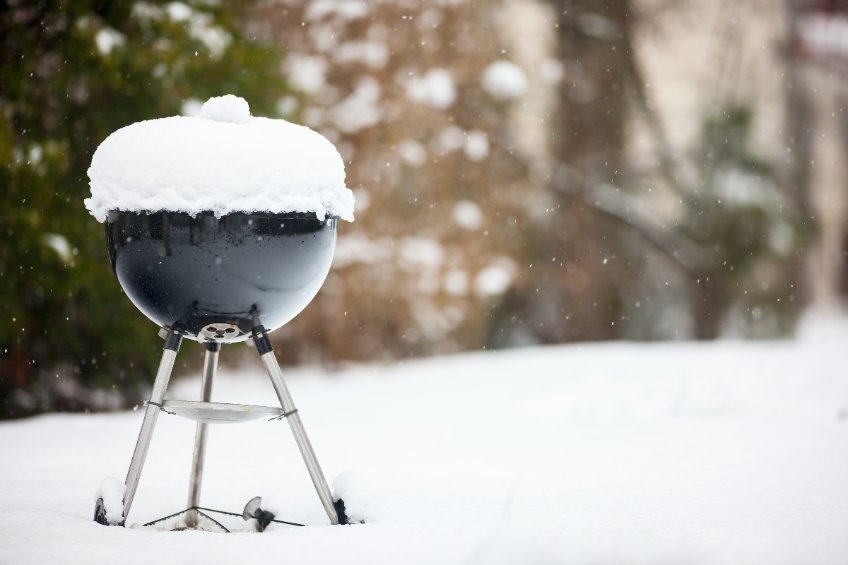
Winter weather can cause significant damage to outdoor grills through moisture exposure, temperature fluctuations, and corrosive elements.
Identifying these issues early allows grill owners to address problems before they become irreparable.
How to Spot Weather-Related Wear
Rust and Corrosion are the most common signs of winter damage.
Orange or reddish-brown spots indicate surface rust, while flaking metal suggests deeper corrosion.
Check cooking grates for rust spots or pitting.
These areas weaken the metal and can contaminate food.
Moisture damage appears as water stains, mineral deposits, or warped surfaces.
Snow and ice buildup can cause metal components to expand and contract.
Inspect the exterior finish for fading, chipping, or peeling paint.
Winter weather strips protective coatings from metal surfaces.
Gas line issues manifest as loose connections, cracked hoses, or damaged regulators.
Cold temperatures make rubber components brittle and prone to cracking.
Burner problems include clogged ports from debris or corrosion.
Uneven flame patterns or difficulty lighting indicate burner damage.
Addressing Common Winter Grill Issues
Surface rust removal requires wire brushing and cleaning solutions.
Apply rust converter for deeper corrosion before repainting affected areas.
Grate restoration involves scrubbing with steel wool and re-seasoning cast iron surfaces.
Replace severely pitted or warped grates.
Gas system repairs require professional inspection for safety.
Replace cracked hoses, damaged regulators, or faulty connections immediately.
Burner cleaning involves removing debris from ports using thin wire or compressed air.
Soak removable burner components in warm soapy water.
Ignition system checks include testing piezo igniters and replacing corroded battery compartments.
Clean electrode tips to ensure proper sparking.
Extending the Life of Your Grill Through All Seasons
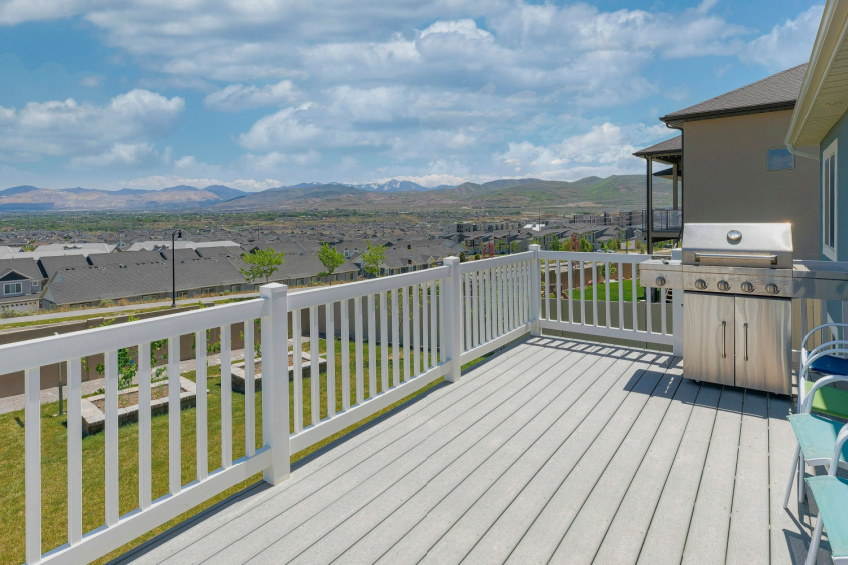
Proper grill maintenance varies throughout the year but requires consistent attention.
Each season presents unique challenges that affect your grill’s longevity.
Spring preparation involves thorough cleaning after winter storage.
Remove any debris, check gas connections, and inspect for rust or damage.
Summer maintenance focuses on regular cleaning after each use.
Clean grates while warm and empty grease traps frequently to prevent buildup.
Fall cleaning prepares the grill for reduced use or storage.
Deep clean all components and check for worn parts that need replacement.
| Season | Key Maintenance Tasks |
|---|---|
| Spring | Deep clean, inspect connections, check for damage |
| Summer | Regular cleaning, empty grease traps, monitor wear |
| Fall | Thorough cleaning, replace worn parts |
| Winter | Proper storage, protective covering |
Winter storage significantly impacts grill lifespan.
Store grills in dry locations when possible, as humidity and moisture cause rust.
Quality covers protect outdoor grills from snow, ice, and temperature fluctuations.
Choose breathable materials that prevent moisture buildup underneath.
Regular part replacement extends overall grill life.
Replace cooking grates, flavorizer bars, and igniters before they fail completely.
Environmental protection matters year-round.
Position grills away from excessive moisture sources and provide adequate ventilation during storage.
High-quality grills from reputable manufacturers typically last longer with proper care.
Investment in better materials pays off through extended lifespan and better performance across all seasons.