
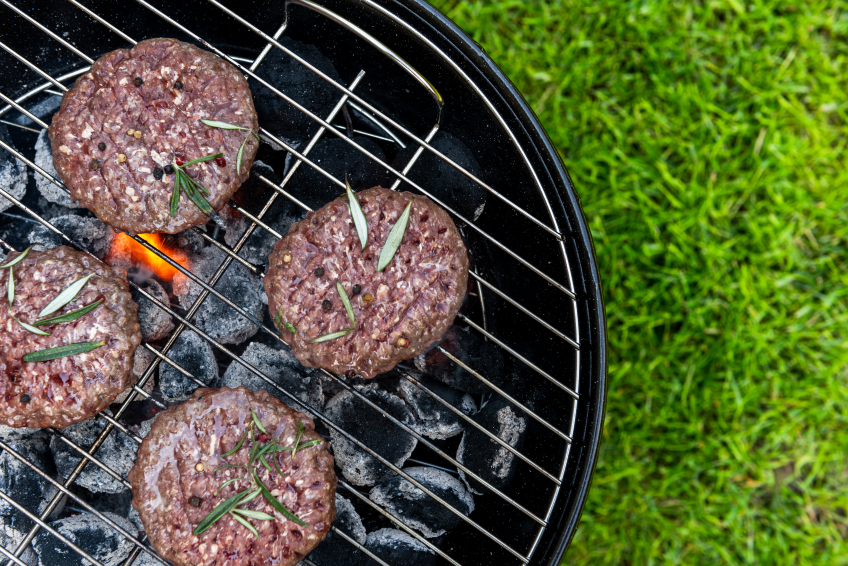
A backyard party is not the time to find out your grilling skills are rusty.
The secret to a great burger is simple: use 80/20 ground beef, handle the meat as little as possible, and cook it over high, direct heat. For a ¾-inch-thick patty, start with about four to five minutes per side, then check the internal temperature. No fancy tricks needed.
You don’t need to be a professional chef to impress guests at backyard cookouts. A few small choices, like picking the right fat content, shaping the patty correctly, and knowing when to flip, make the difference between a dry, crumbly burger and one that’s juicy all the way through.
This guide walks you through every step, from choosing your meat to picking the right cheese and toppings. By the end, you’ll know how to grill burgers your guests will remember.
The Grilling Method at a Glance
 Grilling burgers comes down to four basic steps and one final pause before serving: preheat the grill, cook and flip the patties, check their temperature, and let them rest.
Preheat, Grill, Flip, and Check
Start by heating your gas grill or charcoal setup to medium-high or high heat. Let it warm up for several minutes before adding the patties.
Clean the grates first, then lightly oil them to help prevent the patties from sticking. Place the patties over direct heat and leave them undisturbed until it’s time to flip. Turn them once, about halfway through cooking.
Pressing down on the patties squeezes out juices and can cause flare-ups, so leave them alone. Use a meat thermometer to check doneness instead of relying on appearance or cooking time. For food safety, ground beef burgers should reach 160°F in the center.
If you’re adding cheese, place it on the patty during the last minute of cooking and close the lid to help it melt before the burger comes off the grill.
Rest the Patties Before Serving
Once your burgers reach 160°F, take them off the grill and let them rest for a few minutes before serving.
Resting gives the juices time to redistribute through the meat instead of spilling out when you bite in. Skipping this step can make a burger seem drier, even when it’s cooked correctly.
Use this time to toast your burger buns on the grill for added texture and flavor. A few minutes of rest also makes it easier to handle hot patties when you’re building burgers for a crowd at outdoor cookouts.
Choose the Beef and Shape the Patties
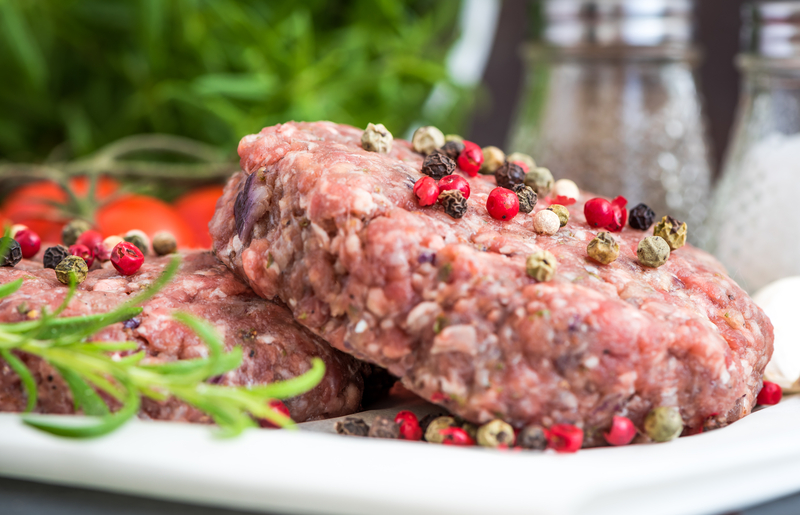 A good burger starts before it hits the grill. The type of beef you choose and how you form your patties help determine whether they turn out juicy or dry.
Why 80/20 Beef Works Well on the Grill
For backyard burgers, choose ground beef with an 80/20 ratio. This means 80 percent lean meat and 20 percent fat. The fat adds flavor and helps keep the patty moist as it cooks.
Ground chuck is a common choice for this ratio. It has enough fat for juicy burgers and holds its shape well on the grill.
Leaner beef, such as 90/10, can dry out more quickly over direct heat. For a balance of texture and flavor, 80/20 ground chuck is a reliable choice for grilled burgers.
Portion and Shape Patties Without Overworking Them
Handle the ground beef as little as possible. The more you mix or press it, the tougher your burger patties can become.
Here’s a simple way to portion and shape patties:
- Divide the beef into equal portions, about 5 to 6 ounces each.
- Shape each portion into a loose ball using light pressure.
- Flatten gently into a patty about ¾ inch thick.
- Make the patty slightly wider than your bun, since it will shrink as it cooks.
- Press a shallow dimple into the center with your thumb to help prevent it from puffing up.
Avoid packing the meat tightly. Gently handled patties stay tender and cook more evenly than overworked ones.
Season Just Before Grilling
Season your patties just before they go on the grill. Salting too early can draw moisture from the beef and change its texture.
Season both sides generously with salt and pepper. That’s often all you need, since 80/20 beef already has plenty of flavor.
If you want to add other ingredients, such as Worcestershire sauce, mix them in while shaping the patties. Keep the seasoning simple and let the beef be the main flavor of your burger.
Set Up the Grill for Even Cooking
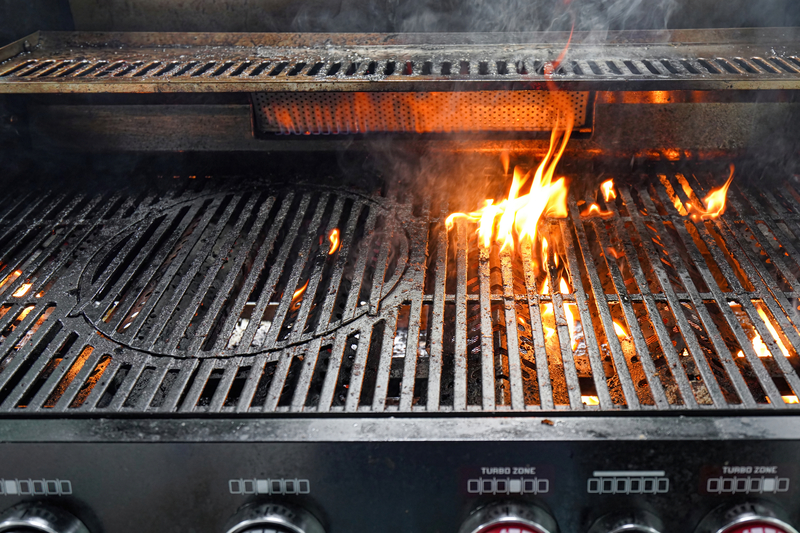 A clean, properly heated grill with distinct hot and cool zones helps patties cook evenly and reduces sticking and burning. The setup takes just a few minutes, but it affects every burger you cook.
Preheat and Clean the Grates
If you are using a gas grill, turn the burners to medium-high or high and close the lid for 10 to 15 minutes before cooking. Aim for a grate temperature of about 500–550°F. This heat helps sear the meat and brown the surface, but it does not lock in the juices.
Once the grill is hot, scrub the grates with a stiff grill brush to remove leftover food and buildup.
After cleaning, lightly oil the grates. Fold a paper towel into a small pad, dip it in vegetable oil, and use tongs to wipe the grates in one direction. Do this right before adding the burgers to help them release cleanly from the grates.
Manage Heat on Gas and Charcoal Grills
On a gas grill with two or more burners, set one burner to medium-high and leave another on low or off. This creates a direct-heat zone for searing and a cooler zone for burgers that need more time or are affected by flare-ups. If a patty catches fire, move it to the cooler side.
On a charcoal grill, create a similar two-zone setup by piling coals on one side and leaving the other side empty. This provides both direct and indirect heat.
Keep the lid closed when possible to help maintain a steady temperature and cook the patties evenly. Open it when needed to flip, check the burgers, or move them away from flare-ups.
Cook to a Safe Internal Temperature
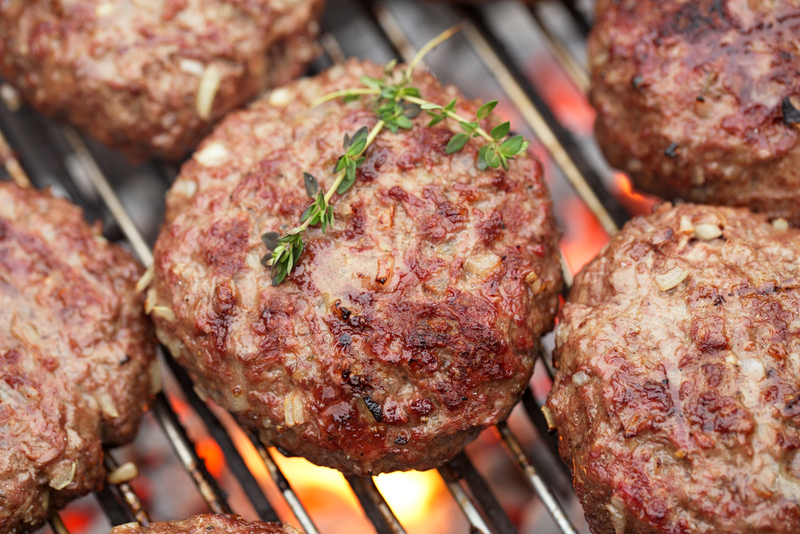 To grill burgers safely, check the meat’s internal temperature instead of guessing. A meat thermometer and a few grilling habits can help you avoid undercooked or dry patties.
Use Cooking Times as a Guide, Not a Doneness Test
Cooking times are a starting point, not a guarantee that a burger is safe to eat. Grill heat, patty thickness, and outdoor conditions can all affect how quickly it cooks.
A burger that looks done on the outside might still be undercooked inside. This is especially true of thicker patties or grills with uneven heat.
Use a time range only as a rough guide, such as four to five minutes per side for a standard patty. Then confirm doneness with a thermometer before serving.
Check for 160°F With a Meat Thermometer
The reliable way to know a ground beef burger is safe to eat is to check its internal temperature. Insert a meat thermometer into the thickest part of the patty, avoiding the grill grates.
Ground beef burgers should reach 160°F according to the USDA. This temperature helps destroy harmful bacteria that may be present in ground meat.
Don’t rely on color alone. A burger can look brown in the middle and still be below a safe temperature, especially if it was frozen before grilling.
Check the temperature a minute or two before you expect the patty to be done. This gives you time to adjust the cooking without overcooking it.
Avoid Flare-Ups and Resist Pressing the Patties
Flare-ups happen when fat drips onto open flames, causing sudden bursts of fire. These flames can char the outside of a burger while leaving the inside undercooked.
Move patties to a cooler part of the grill if flare-ups occur. You can also close the lid briefly to limit oxygen and reduce the flames. Avoid spraying water near hot coals or flames.
Pressing down on burger patties with a spatula might seem like a way to speed up cooking, but it pushes out juices and won’t help the patty cook faster or more evenly.
Let the patties cook undisturbed, flipping them once when the first side is browned and releases easily from the grate. This helps them cook evenly and reduces the risk of breaking them apart.
Finish and Build the Burgers
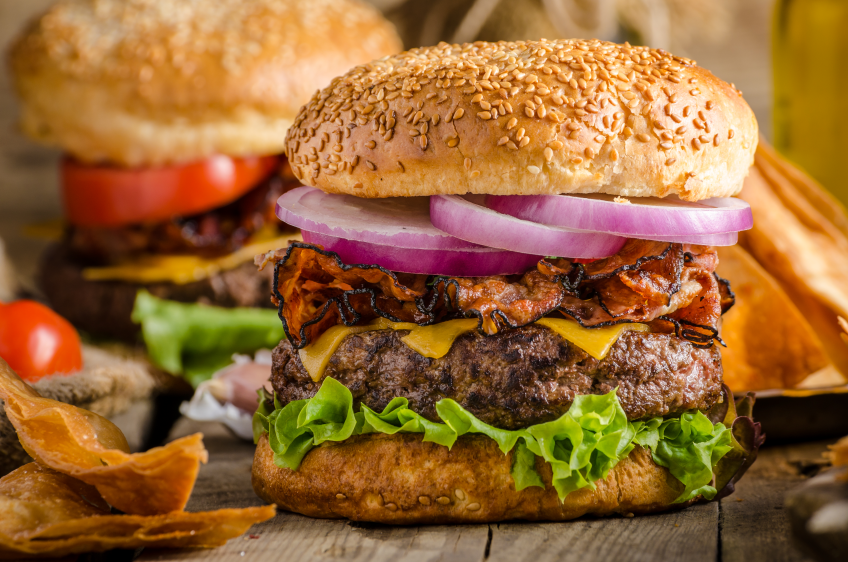 The last few minutes of cooking help set the taste and texture of your grilled burgers. Melt the cheese and toast the buns, then add toppings to help keep each bite from turning soggy or falling apart.
Melt Cheese and Toast the Buns
Add cheese during the last minute of cooking. Close the grill lid so the heat surrounds the burger and melts the cheese evenly, as recommended in this guide to grilling juicy and flavorful burgers.
While the cheese melts, place your burger buns cut-side down over indirect heat. Toast them for about 30 to 60 seconds, watching closely since they can burn quickly.
Toasting the burger buns adds a light crunch and helps keep the bread from turning mushy once you add toppings. It also warms the bun to match the temperature of the patty.
Remove the buns when they develop light grill marks. A little butter or oil on the cut side helps them brown faster and adds flavor.
Add Toppings Without Making Buns Soggy
The order of your toppings matters. Place lettuce or another sturdy vegetable directly on the toasted bun first to create a barrier between the bread and wetter ingredients.
Add the burger patty next, followed by cheese if it wasn’t melted on the grill. Then layer sauces, tomato, pickles, or onion on top of the meat rather than directly on the bun.
Keep wet condiments like ketchup, mustard, or mayo away from the bread when possible. Spread them on the top bun just before serving instead of letting them sit.
Serve the burger right away. Waiting too long lets moisture soak into the bun, making it more likely to fall apart as you eat.
Keep Backyard Party Service Running Smoothly
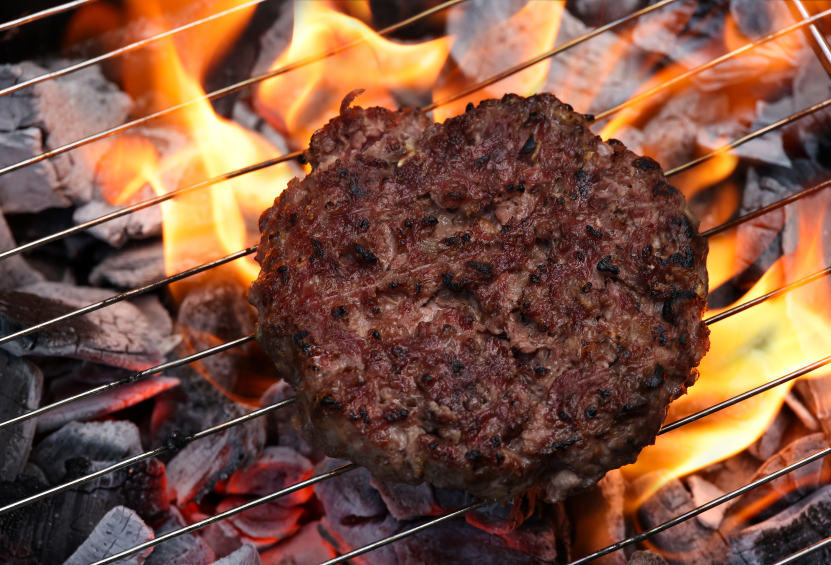 Good burger service at neighborhood cookouts comes down to timing, space, and food safety. Prepare toppings, cook in batches, and keep food at safe temperatures to feed a crowd with less stress.
Prepare Toppings and Portions Ahead of Time
Set up your toppings station before you turn on the grill. Chop onions, slice tomatoes, and wash lettuce ahead of time so you’re not scrambling once the patties hit the heat.
Pre-portion your ground beef into equal patties the night before or the morning of the party. Use a kitchen scale for consistent sizes. Evenly sized patties cook more consistently, helping prevent some from being overdone while others are undercooked in the middle.
Arrange condiments in squeeze bottles or small bowls on a tray. Group cheese slices, pickles, and sauces together near the burger buns.
For a serving trick for assembling multiple burgers at once, lay the buns out in rows on a sheet pan ahead of time. This creates a simple assembly line once the burgers come off the grill.
Grill in Batches Without Crowding
Crowding the grill can lower its temperature and lead to uneven cooking. Leave at least half an inch of space between patties so heat can circulate properly.
Work in batches based on your grill size. A standard gas grill can fit about 6 to 8 burgers at once without overcrowding. Smaller batches also make it easier to flip the burgers and check for doneness.
Keep a thermometer on hand to check the internal temperature. Ground beef should reach 160°F to be safe to eat. As each batch finishes, move the burgers to a warm spot while you start the next round. This keeps grilled burgers moving steadily for cookouts with large groups.
Serve Burgers Promptly and Handle Leftovers Safely
Serve burgers within 30 minutes of cooking for the best taste and texture. If you need to hold them longer, keep them covered in a warm dish near the grill.
Food safety matters when burgers sit out during a party. The USDA recommends leaving cooked meat at room temperature for no more than two hours. On hot days above 90°F, reduce that window to one hour.
Refrigerate leftover burgers within that time frame. Place them in a sealed container and eat them within three to four days. Reheat leftovers to 165°F before serving. Label containers with the date so you know how long they have been stored.
FAQ: How to Grill a Burger for Backyard Parties
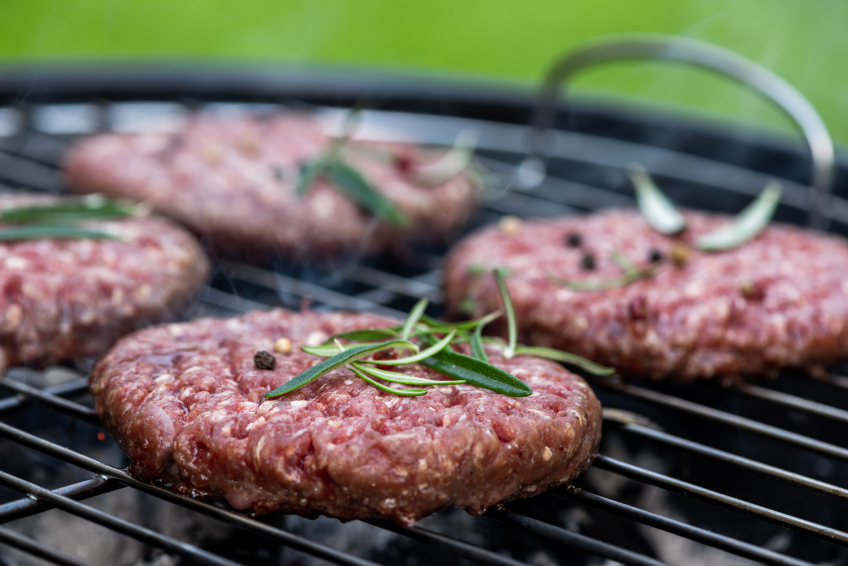 For backyard parties, grill burgers over medium-high to high direct heat, turning them once they are well browned and cooked through. Keep the grill clean, avoid excessive flare-ups, and use an food thermometer to check that ground beef reaches 160°F (71°C).
What Temperature Should You Grill Burgers At?
A grill temperature of around 400°F to 450°F (205°C to 230°C) works well for burgers. This provides enough heat to brown the outside while allowing the center to cook without taking excessively long.
How Long Should You Grill Burgers?
A typical burger patty may take approximately 4 to 5 minutes per side, but cooking time varies with patty thickness, grill temperature, and the desired level of browning. For food safety, use a thermometer rather than relying on cooking time alone.
Should You Flip Burgers More Than Once?
You can, but flipping once is a simple approach for achieving good browning on both sides. Avoid repeatedly pressing or flattening the patties because this can release juices and increase flare-ups.
How Do You Keep Burgers Juicy for a Party?
Use reasonably thick patties and avoid overworking the ground beef when shaping them. Keep the burgers refrigerated until you are ready to grill, and avoid pressing them down while they cook.
How Do You Grill Lots of Burgers for a Backyard Party?
For a large group, create two heat zones so you have a hot area for browning and a cooler area for moving burgers if flare-ups occur. Cook in batches when necessary rather than overcrowding the grill, and keep cooked burgers at a safe temperature until serving.