
 Grilling salmon at home transforms this nutritious fish into a restaurant-quality meal with minimal effort and maximum flavor.
The high heat creates a beautiful char while sealing in moisture, resulting in tender, flaky fish with a smoky complexity that can’t be achieved through other cooking methods.
Perfect grilled salmon requires just the right combination of fish selection, proper seasoning, and precise timing to achieve that ideal balance of crispy exterior and juicy interior.
Whether someone is a complete beginner or looking to refine their technique, mastering this skill opens up countless possibilities for weeknight dinners and special occasions.
The key lies in understanding which type of salmon works best on the grill, how to prepare it properly, and the specific temperatures and timing that prevent overcooking.
From selecting the right cut to exploring creative marinades and serving suggestions, each step contributes to achieving consistently excellent results that rival any seafood restaurant.
Choosing the Best Salmon for Grilling
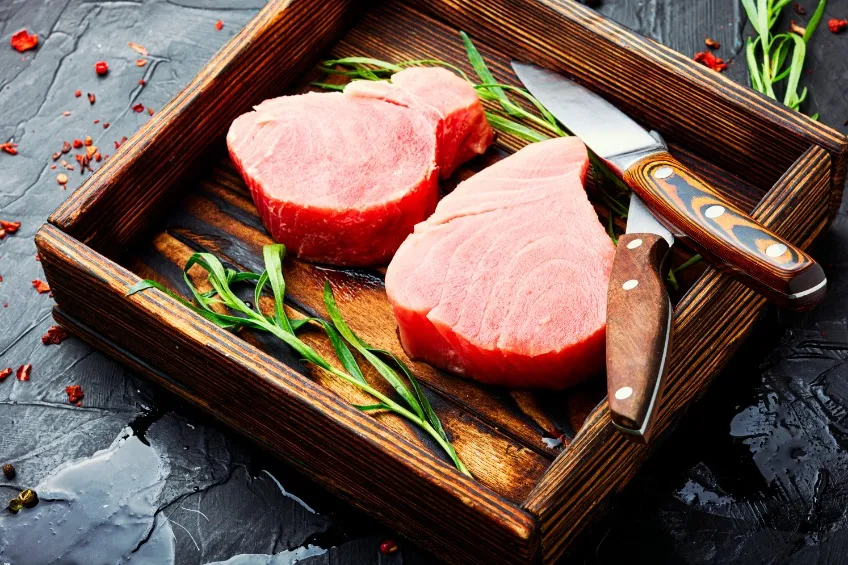
The right salmon selection determines grilling success, with factors like cut type, sourcing method, and freshness level directly impacting flavor and cooking performance.
Wild-caught varieties typically offer superior taste, while proper thickness and freshness ensure even cooking and optimal texture.
Types and Cuts of Salmon: Fillet, Steak, and Patties
Salmon fillets represent the most popular choice for grilling.
These boneless cuts from the fish’s side cook evenly and work well with both direct and indirect heat methods.
Fillets range from ½ inch to 1½ inches thick.
Thicker cuts provide more forgiveness during cooking and reduce the risk of overcooking.
Salmon steaks are crosscut slices that include the backbone and surrounding meat.
They typically measure ½ to 1 inch thick and maintain their shape better during grilling.
The bone in salmon steaks helps retain moisture and adds flavor.
However, they require slightly longer cooking times than boneless fillets.
Salmon patties offer a ground option that cooks quickly on the grill.
They work best when formed into thick patties and cooked over medium heat to prevent falling apart.
King salmon provides the richest flavor and highest fat content among varieties.
This makes it exceptionally well-suited for grilling since the natural oils prevent drying.
Wild-Caught vs. Farmed Salmon
Wild-caught salmon delivers superior flavor and firmer texture compared to farmed varieties.
The natural diet and active lifestyle create more developed muscle structure and concentrated taste.
Alaskan wild salmon represents the gold standard for grilling.
These fish contain higher omega-3 levels and fewer contaminants than most farmed options.
Wild salmon costs more but provides better grilling results.
The lower fat content requires careful temperature monitoring to prevent overcooking.
Farmed salmon offers year-round availability and lower prices.
It contains more fat, which can make it more forgiving for beginner grillers.
Closed-tank farmed systems produce higher quality fish than open-pen operations.
These systems reduce environmental impact and contamination risks.
The higher fat content in farmed salmon can cause flare-ups on the grill.
Cooks should monitor heat levels more carefully when using farmed varieties.
How to Select Fresh or Frozen Salmon
Fresh salmon should display bright, moist flesh without strong fishy odors.
The meat should spring back when pressed gently and show no signs of browning or drying.
Color varies by species rather than freshness level.
Focus on texture and smell rather than specific color expectations when evaluating quality.
Purchase fresh salmon the same day as grilling or store it for no more than two days in the coldest refrigerator section.
Keep it loosely wrapped and away from the door.
Frozen salmon can produce excellent grilling results when properly thawed.
Look for individually wrapped pieces without ice crystals or freezer burn.
Thaw frozen salmon in the refrigerator for 1-2 days before grilling.
Never use warm water or microwave thawing methods, which damage texture.
Previously frozen salmon that hasn’t been thawed can be refrozen for up to three months.
Always verify whether fish was previously frozen before deciding on storage methods.
Essential Tools and Preparation Steps
Success in grilling salmon depends on having the right equipment and proper preparation techniques.
Clean grills, dry fish, and uniform cuts create the foundation for perfectly cooked salmon every time.
Required Grilling Equipment and Grill Pan Tips
A clean outdoor grill with adjustable temperature controls provides the best results for grilling salmon.
The grill grates should be heavy-duty stainless steel or cast iron for optimal heat retention and even cooking.
Essential tools include a fish spatula with a thin, flexible blade for easy turning.
Long-handled tongs help position fillets without damaging the fish.
A grill brush removes debris that could cause sticking.
Grill pan alternatives work well for indoor cooking.
Cast iron grill pans retain heat effectively and create attractive grill marks.
 The Lodge 10.25-inch Cast Iron Skillet is a factory-preseasoned, all-purpose frying pan made in the USA that’s safe to use on ovens, stovetops, grills, and campfires.
It offers excellent heat retention and even heating for searing, baking, frying, or roasting.
Being made of bare cast iron (no synthetic coatings), it’s durable, naturally non-toxic, and improves with use and seasoning.
Non-stick grill pans prevent delicate fish from sticking but require lower heat settings.
Temperature control remains critical regardless of equipment choice.
Digital thermometers ensure accurate heat monitoring.
 The Alpha Grillers Meat Thermometer Digital is an instant-read thermometer that gives a temperature reading in about 2–3 seconds, making it handy for grilling, oven, or air fryer use.
It features a large backlit display, a long probe, and is water-resistant (IP rated) for easy cleaning.
Designed as a giftable BBQ or kitchen accessory, it comes pre-calibrated (and can be recalibrated), and often packaged in a foam box
Oil dispensers allow precise application of cooking oil to both fish and cooking surfaces.
Prepping the Grill and Preventing Sticking
Proper grill preparation prevents salmon from sticking and breaking apart during cooking.
Clean grill grates thoroughly with a wire brush to remove any residue from previous cooking sessions.
Heat the grill on high for several minutes before reducing to medium heat.
This initial high temperature helps break the bonds between proteins and metal surfaces.
Clean, hot grates release food more easily.
Oil the grates just before placing salmon on them.
Use a paper towel soaked in high-heat oil like vegetable or canola oil.
Apply oil using long-handled tongs to avoid burns.
Pre-heating timing matters.
Allow gas grills 10-15 minutes to reach proper temperature.
Charcoal grills need 15-20 minutes for coals to develop the right heat level and distribution.
Patting Salmon Dry and Slicing for Uniform Grilling
Moisture on salmon surfaces prevents proper browning and increases sticking.
Pat each fillet completely dry with paper towels before seasoning or applying oil.
Remove excess moisture from both flesh and skin sides.
Uniform thickness ensures even cooking.
Cut thick fillets into portions of 1.5 inches for optimal results.
Thinner pieces cook too quickly and may break apart during flipping.
Score the skin in diagonal cuts every inch to prevent curling during cooking.
This technique keeps fillets flat against the grill surface for consistent heat contact.
Season dried fillets immediately before grilling to prevent salt from drawing out additional moisture.
Apply oil directly to the fish rather than relying solely on grate preparation for stick prevention.
How to Season and Marinate Salmon for the Grill

Proper seasoning and marinating transforms grilled salmon from ordinary to exceptional.
The right combination of dry rubs, marinades, and aromatic ingredients enhances the fish’s natural flavor while ensuring moisture retention during cooking.
Best Dry Rubs and Homemade Seasoning Blends
A well-crafted dry rub creates a flavorful crust on grilled salmon.
The foundation starts with kosher salt and black pepper in a 2:1 ratio.
Essential salmon seasoning ingredients include:
- Garlic powder (1 teaspoon per pound of fish)
- Smoked paprika (adds color and smoky depth)
- Thyme (dried or fresh, finely chopped)
- Brown sugar (balances savory elements)
Mix these ingredients 30 minutes before grilling to allow flavors to meld.
Apply the dry rub generously to both sides of the salmon, pressing gently to ensure adherence.
For Mediterranean-style salmon recipes, combine oregano, lemon zest, and fennel seeds with the base seasonings.
Cajun variations benefit from cayenne pepper and onion powder additions.
How to Make a Flavorful Salmon Marinade
A quality salmon marinade requires three components: acid, fat, and seasonings.
The acid tenderizes the fish while the fat prevents sticking and adds richness.
Basic Marinade Formula:
- 1/3 cup soy sauce (provides salt and umami)
- 2 tablespoons lemon juice or vinegar
- 3 tablespoons honey or maple syrup
- 2 tablespoons olive oil
- 2 minced garlic cloves
Marinate salmon for 30 minutes to 2 hours maximum.
Longer marinating times can break down the fish’s texture due to the acid content.
For Asian-inspired salmon recipes, add ginger and sesame oil.
Mediterranean versions work well with balsamic vinegar and fresh herbs.
Reserve some marinade before adding raw fish to use as a basting sauce during grilling.
Using Herbs, Spices, and Oils
Fresh herbs elevate grilled salmon beyond basic seasonings.
Thyme, rosemary, and dill complement salmon’s natural flavor profile without overwhelming it.
Prepare herb-infused olive oil by combining:
- 1/4 cup olive oil
- 2 tablespoons chopped fresh herbs
- 1 teaspoon garlic powder
- Pinch of salt
Brush this mixture on salmon 15 minutes before grilling for enhanced flavor penetration.
Spice combinations vary by cuisine style.
Nordic preparations use juniper berries and dill.
Middle Eastern blends incorporate sumac and za’atar.
Oil Selection Tips:
- Use neutral oils (canola, vegetable) for delicate herb flavors
- Choose olive oil for robust Mediterranean profiles
- Avocado oil withstands high heat better than most alternatives
Apply oils just before grilling to prevent the salmon from sticking to grates while allowing seasonings to caramelize properly.
Step-by-Step Grilling Methods
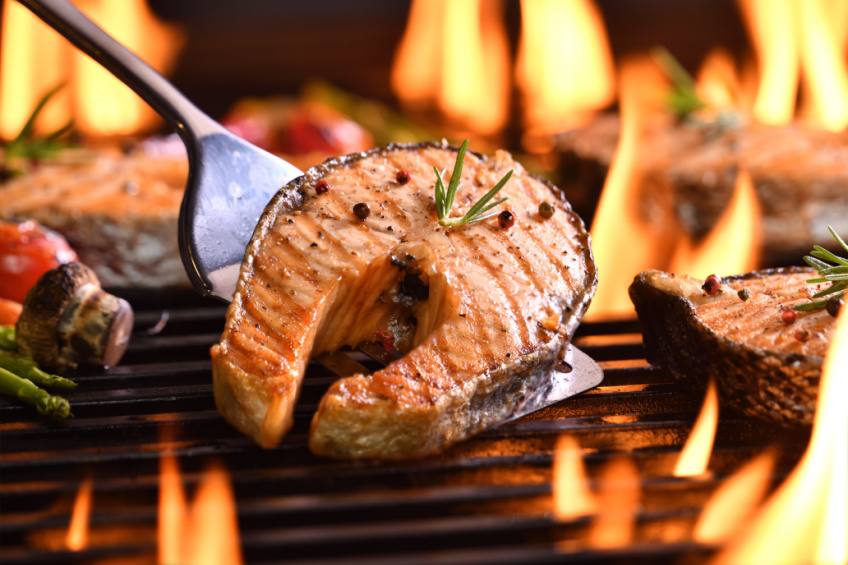
Different grilling techniques produce varying results with salmon, from high-heat direct grilling that creates crispy skin to gentle indirect methods that ensure even cooking.
The method chosen depends on fillet thickness, desired texture, and whether using skin-on pieces or protective wrapping.
Direct vs. Indirect Heat Grilling Techniques
Direct heat grilling involves cooking salmon directly over the flame at medium-high to high temperatures (375-500°F).
This method works best for fillets under 1.5 inches thick.
Start with skin-on salmon fillets placed skin-side down on clean, oiled grates.
Cook for 6 minutes with the lid closed, then flip to skin-side up for 2-3 additional minutes.
This technique creates crispy salmon skin and distinctive grill marks on the flesh.
Indirect heat grilling uses lower temperatures and positioning away from direct flames.
Set up a two-zone grill with one side on high heat and the other on low.
Begin cooking skin-side down on the hot side for 6 minutes.
Move the salmon to the cooler zone and flip to skin-side up for 3 minutes with the lid open.
This prevents overcooking while maintaining moisture.
Direct heat produces more pronounced smoky flavors and charred textures.
Indirect heat offers gentler cooking with less risk of burning.
Grilling Skin-On vs. Skinless Salmon
Skin-on salmon fillets provide natural protection against sticking and drying out.
The skin acts as a barrier between delicate flesh and intense grill heat.
Place skin-side down first and cook for most of the grilling time.
The skin becomes crispy and flavorful when properly executed.
Even those who don’t eat salmon skin benefit from leaving it on during cooking, as it easily removes afterward.
Skinless fillets require more careful handling and temperature control.
Use a fish spatula to prevent breaking when flipping.
Oil both the salmon and grill grates thoroughly before cooking.
Cook at medium heat (375°F) rather than high heat to prevent the exposed flesh from drying out.
Skinless salmon cooks faster, typically requiring 4-5 minutes per side.
Watch for white albumen proteins emerging from the flesh as an indicator of doneness.
Using Foil and Cedar Planks
Salmon in foil eliminates sticking concerns but sacrifices smoky grill flavors.
This method essentially steams the fish rather than grilling it.
Create foil packets by placing seasoned fillets on heavy-duty foil coated with cooking spray.
Seal loosely to allow steam circulation. Cook at medium heat (375°F) for 12-15 minutes with the lid closed.
The result is moist but somewhat bland salmon with soft, unappetizing skin texture.
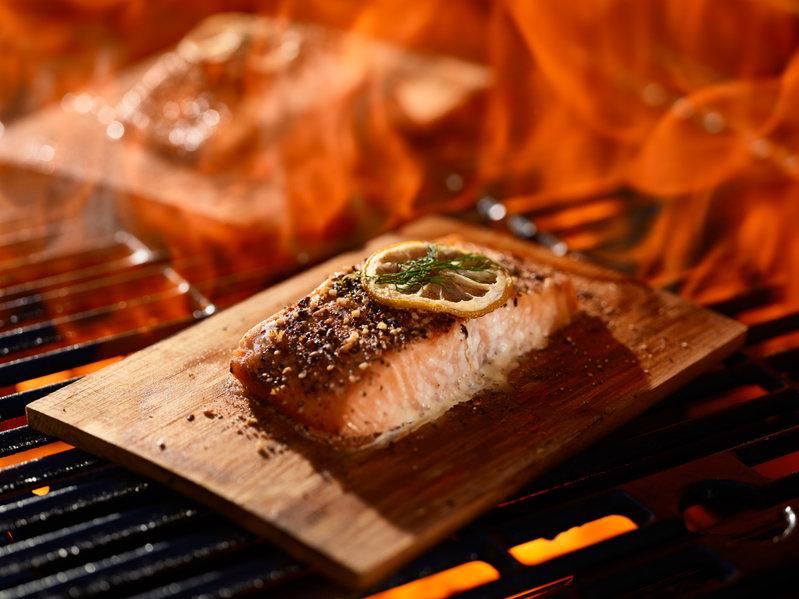
Cedar plank grilling infuses salmon with subtle wood flavors while protecting it from direct heat.
 The “Bigger 12 PK Cedar Planks for Grilling Salmon” are untreated western red cedar wood boards that impart smoky flavor while preventing food from falling through grill grates.
They’re designed to be soaked before use and then placed directly on the grill, letting the plank smolder and infuse flavor into salmon, veggies, or meats.
Sold in restaurant-quantity packs, they aim to provide efficient, aromatic grilling without chemical additives.
Soak planks in water for at least 2 hours before use.
Place salmon skin-side down on the soaked plank and position over medium heat.
Close the lid and cook for 15-20 minutes without flipping.
The plank may char or smoke, which adds flavor complexity.
This method produces evenly cooked salmon with aromatic wood notes and prevents any sticking issues.
Timing, Temperatures, and Doneness
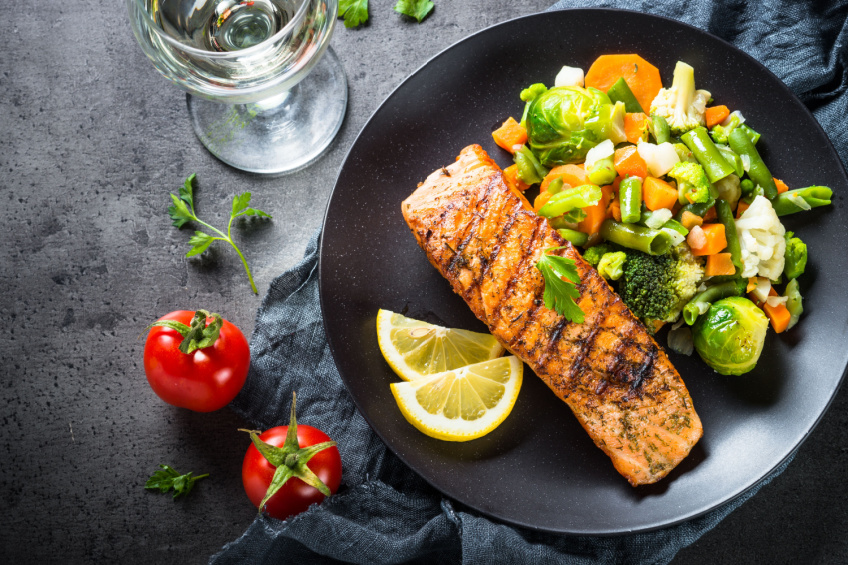
Proper timing and temperature control determine whether salmon emerges from the grill perfectly moist or disappointingly dry.
Understanding doneness indicators ensures consistent results every time.
How Long to Grill Salmon
The standard rule calls for 6 to 8 minutes per inch of thickness when grilling salmon fillets.
A one-inch thick salmon fillet requires 3 to 4 minutes per side over medium-high heat.
Thicker cuts need longer cooking times, while thinner pieces cook faster.
The cook should start with the flesh side down to develop attractive grill marks before flipping once.
Grilling Time by Thickness:
- ¾ inch thick: 2-3 minutes per side
- 1 inch thick: 3-4 minutes per side
- 1½ inches thick: 5-6 minutes per side
High heat creates better searing and prevents sticking.
The salmon develops a caramelized exterior while maintaining moisture inside when grilled at proper temperatures between 400-450°F.
Internal Temperature and Flake Test
The FDA recommends cooking salmon to an internal temperature of 145°F.
However, many chefs prefer removing it at 135-140°F since residual heat continues cooking the fish.
A properly cooked grilled salmon fillet turns opaque throughout and flakes easily when pressed with a fork.
The flesh should separate into distinct segments without resistance.
Doneness Indicators:
- Color: Opaque pink throughout, no translucent areas
- Texture: Flakes easily with gentle pressure
- Internal temp: 135-145°F depending on preference
The cook should insert an instant-read thermometer into the thickest part of the fillet.
Overcooking results in dry, tough salmon that loses its natural oils and flavor.
Resting and Serving Grilled Salmon
Grilled salmon benefits from a brief 2-3 minute rest after leaving the grill.
This resting period allows juices to redistribute throughout the fillet.
The cook should tent the salmon loosely with foil during resting to maintain warmth.
This prevents moisture loss while finishing the cooking process through carryover heat.
Fresh salmon continues cooking for several minutes after removal from heat.
The internal temperature can rise 5-10 degrees during this resting phase.
Serve immediately after resting for optimal texture and temperature.
The salmon should remain warm and moist when properly timed and rested.
Creative Serving Ideas and Healthy Benefits

Grilled salmon pairs beautifully with seasonal vegetables and offers exceptional nutritional value through its omega-3 fatty acids.
The versatility of perfectly grilled salmon allows for countless serving options from fresh salads to hearty sandwiches.
Pairing with Grilled Veggies and Grilled Corn
Grilled veggies complement salmon’s smoky flavor perfectly.
Asparagus, zucchini, and bell peppers cook in similar timeframes on the grill.
Grilled corn adds natural sweetness that balances salmon’s rich taste.
Brush corn with olive oil and grill for 10-12 minutes, turning frequently.
Popular vegetable combinations include:
- Mediterranean mix: Eggplant, tomatoes, and red onions
- Summer blend: Corn, zucchini, and yellow squash
- Classic pairing: Asparagus with lemon and garlic
Season vegetables with salt, pepper, and herbs before grilling.
Cook dense vegetables like corn first, then add quicker-cooking options like asparagus during the last few minutes.
Serving Suggestions: Salads, Sandwiches, and More
Flaked grilled salmon transforms into versatile meal options beyond the traditional fillet presentation.
Salmon patties made from leftover grilled salmon create an excellent lunch option when mixed with breadcrumbs and seasonings.
Fresh salad combinations work exceptionally well:
- Spinach salad with strawberries and feta
- Quinoa bowl with roasted vegetables
- Caesar salad topped with warm salmon pieces
Sandwich options include salmon on sourdough with avocado or in pita pockets with cucumber and dill sauce.
The fish also works well in grain bowls, pasta dishes, and breakfast scrambles.
Nutrition and Omega-3 Fatty Acids in Salmon
Omega-3 fatty acids make salmon a nutritional powerhouse for heart and brain health.
A 3.5-ounce serving contains approximately 2,260 mg of omega-3s.
Key nutritional benefits include:
- Protein: 25 grams per serving
- Vitamin D: 66% of daily value
- B vitamins: Essential for energy metabolism
- Selenium: Supports immune function
Wild-caught salmon typically contains higher omega-3 levels than farm-raised varieties.
Regular consumption supports cardiovascular health and may reduce inflammation throughout the body.
The American Heart Association recommends eating fatty fish like salmon twice weekly for optimal health benefits.