
 Charcoal grilling delivers that authentic smoky flavor many outdoor cooking enthusiasts crave, but questions about its cost often arise.
While charcoal grills themselves are generally less expensive than gas grills upfront, with quality models starting around $100, the overall expense depends on ongoing fuel costs and maintenance needs.
The initial investment represents just one part of the total cost equation.
The expenses associated with charcoal grilling extend beyond the grill purchase to include regular charcoal purchases, starter materials, and cleaning supplies.
A 20-pound bag of charcoal briquettes typically costs between $10 to $20, while premium lump charcoal can run $1 to $3 per pound.
These ongoing costs can add up depending on grilling frequency and cooking duration.
Understanding the complete cost picture helps potential buyers make informed decisions about whether charcoal grilling fits their budget and cooking preferences.
The price differences between various grill types, features that influence costs, and strategies for managing expenses all play crucial roles in determining the true affordability of this popular cooking method.
How Much Does Charcoal Grilling Cost?
Charcoal grilling involves several cost components that potential buyers should consider.
The initial charcoal grill purchase ranges from $30 for basic models to over $1,500 for premium options, while ongoing fuel expenses typically cost $10-30 per bag of charcoal.
Average Price Ranges for Charcoal Grills
Budget Options ($30-$150) Small portable charcoal grills start at $30 and work well for camping or tailgating.
Basic kettle grills in this range provide essential grilling functions without advanced features.
These models typically use thinner materials but offer adequate performance for occasional use.
Mid-Range Models ($150-$500) This category includes larger kettle grills and barrel-style models with better construction.
Mid-range charcoal grills feature improved temperature control, ash catchers, and more cooking surface area.
Brands like Weber and Char-Broil offer reliable options in this price segment.
Premium Grills ($500-$1,500+) High-end charcoal grills use heavy-duty steel or cast iron construction for superior heat retention.
These models include advanced features like built-in thermometers, adjustable cooking grates, and enhanced durability.
Kamado-style ceramic grills fall into this premium category and excel at both grilling and smoking.
Cost of Charcoal Fuel per Grilling Session
A typical bag of charcoal costs between $10-30 depending on quality and type.
Standard briquettes cost less than lump charcoal but may contain additives.
One bag usually provides 3-5 grilling sessions for average family cooking.
A single grilling session consumes approximately $2-6 worth of charcoal depending on cooking time and grill size.
Charcoal Types and Costs:
- Standard briquettes: $10-15 per 20-pound bag
- Lump charcoal: $15-30 per 20-pound bag
- Premium hardwood charcoal: $20-30 per bag
Longer cooking sessions for smoking or indirect cooking increase fuel consumption.
Cold weather also requires more charcoal to maintain proper temperatures.
Initial Investment and Accessory Expenses
Beyond the charcoal grill cost, several accessories enhance the grilling experience.
Essential grill tools include tongs, spatula, grill brush, and chimney starter, totaling $50-100 for quality options.
Common Accessory Costs:
- Chimney starter: $15-25
- Grill cover: $20-50
- Digital thermometer: $15-40
- Basic tool set: $25-60
Lighter fluid costs $3-5 per bottle but chimney starters eliminate this ongoing expense.
Replacement grates and cooking surfaces may cost $30-100 depending on grill size.
Many charcoal grill owners invest in a grill cover to protect their investment from weather damage.
Quality covers extend grill lifespan and maintain performance over time.
Types of Charcoal Grills and Their Price Differences
Different charcoal grill designs create significant price variations, with kettle grills starting around $50, barrel grills ranging from $100-600, and ceramic models reaching $1,500 or more.
Each type offers distinct advantages that justify their cost differences.
Kettle Charcoal Grills
Kettle grills represent the most affordable entry point into charcoal grilling.
These iconic round grills typically range from $50 to $300 depending on size and features.
The classic dome-shaped design provides excellent heat circulation.
Most kettle grills offer a cooking area between 18 and 26 inches in diameter.
Basic models start at $50, while premium versions with additional features reach $300.
Weber dominates this category with their original kettle design from the 1950s.
Their models include adjustable air vents for temperature control.
The simple construction keeps costs low while maintaining durability.
Budget-friendly options work well for occasional grilling.
Higher-end kettle grills include features like built-in thermometers and ash catchers.
The round shape allows for both direct and indirect cooking methods.
Barrel Charcoal Grills
Barrel grills provide significantly more cooking space than kettle designs.
Prices typically range from $100 to $600 for most models.
The elongated barrel shape offers large cooking areas ideal for feeding groups.
Most barrel grills feature 400-800 square inches of cooking space.
This expanded area justifies the higher price compared to kettle grills.
Many barrel designs include offset smoker boxes.
These additions allow for low-and-slow cooking techniques.
The larger size requires more materials, increasing manufacturing costs.
Mid-range barrel grills often include multiple cooking grates.
Premium models feature heavy-gauge steel construction for improved durability.
The horizontal design makes food access easier during cooking.
Ceramic and Kamado Grills
Ceramic grills command the highest prices in the charcoal category.
Quality kamado-style grills range from $500 to over $1,500.
The thick ceramic walls provide exceptional heat retention and temperature control.
Brands like Big Green Egg and Kamado Joe lead this premium market.
The ceramic construction creates superior insulation compared to metal grills.
These grills excel at multiple cooking methods including grilling, smoking, and baking.
The heavy ceramic construction increases shipping costs and retail prices.
Many models include stainless steel hardware and precision temperature gauges.
Ceramic grills offer decades of durability when properly maintained.
The superior heat retention reduces charcoal consumption over time.
Professional-grade features justify the premium pricing for serious outdoor cooking enthusiasts.
Value and Features That Affect Charcoal Grill Expenses
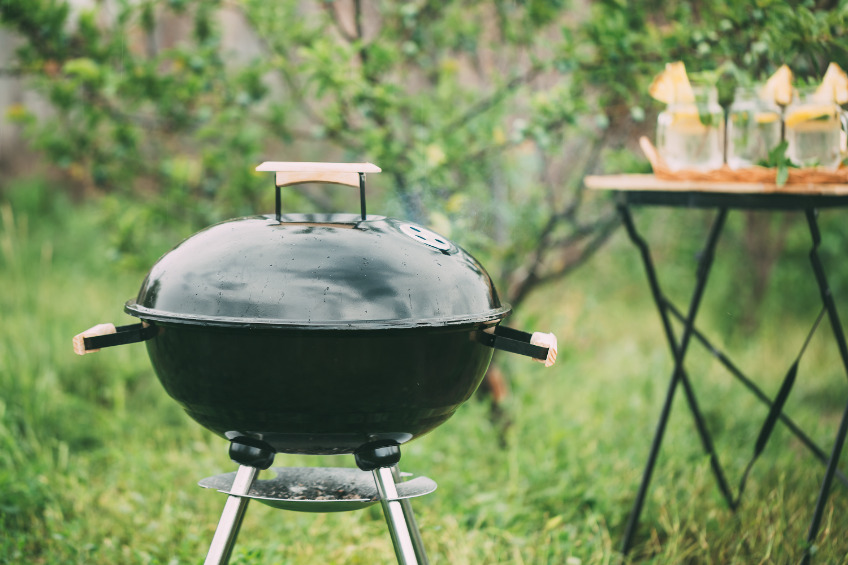
Several key features directly impact charcoal grill pricing, with temperature control systems and heat retention capabilities commanding the highest premiums.
Construction materials and specialized accessories like rotisserie attachments can add substantial costs to the base price.
Temperature Control and Management
Built-in thermometers and advanced ventilation systems significantly increase charcoal grill prices.
Basic models without temperature monitoring start around $50, while grills with dual-probe thermometers can cost $200-400 more.
Adjustable dampers and air intake controls allow precise heat management.
These systems enable consistent cooking temperatures between 225°F and 700°F. Premium models feature multiple air vents with easy-adjust mechanisms.
Digital temperature controllers represent the highest-end option.
These systems automatically regulate airflow to maintain set temperatures within 5-10 degrees. Expect to pay $300-800 extra for this technology.
Key temperature control features by price range:
- Basic ($50-150): Manual air vents only
- Mid-range ($150-400): Built-in lid thermometer, adjustable dampers
- Premium ($400+): Digital controllers, wireless monitoring, dual-zone temperature management
Heat Retention and Cooking Zones
Heat retention capabilities directly correlate with grill construction and price. C
eramic kamado-style grills excel at maintaining steady temperatures but cost $300-2000 compared to basic kettle grills at $50-200.
Thick-walled construction materials trap heat more effectively.
Steel grills with double-wall insulation retain heat 40% longer than single-wall models.
Cast iron grates and fireboxes provide superior heat retention but increase manufacturing costs significantly.
Multiple cooking zones allow different temperature areas within one grill.
Two-zone setups enable direct and indirect cooking simultaneously.
Three-zone configurations offer even more versatility for complex meals.
Grill size affects both heat retention and cooking zones.
Larger cooking surfaces require more fuel to maintain temperature but provide space for multiple temperature zones.
Durability and Construction Quality
Material quality represents the largest cost factor in charcoal grill construction.
Stainless steel components resist rust and corrosion but cost 2-3 times more than painted steel alternatives.
Cast iron grates provide excellent heat retention and searing capabilities.
They cost $50-150 more than basic chrome-plated steel grates.
Porcelain-coated cast iron offers easier cleaning at moderate price increases.
Construction material comparison:
- Basic steel: $50-200 range, 3-5 year lifespan
- Heavy-duty steel: $200-500 range, 8-12 year lifespan
- Stainless steel: $400-1500 range, 15-20 year lifespan
- Ceramic: $300-2000 range, 20+ year lifespan
Welded joints and reinforced legs indicate superior construction quality.
Premium models feature heavy-gauge steel frames that won’t warp under high heat.
Rotisserie Attachments and Accessories
Rotisserie systems add $100-400 to base grill prices depending on motor quality and weight capacity.
Basic electric motors handle up to 10 pounds, while heavy-duty units accommodate 25-pound roasts or whole turkeys.
Built-in rotisserie brackets and mounting systems cost more than aftermarket add-ons. Integrated designs provide better stability and easier installation.
Universal rotisserie kits offer budget alternatives at $75-150.
Additional accessories impact total investment costs substantially.
Pizza stones, smoking boxes, and grill covers add $20-100 each.
Complete accessory packages can double the initial grill purchase price.
Premium grills often include starter accessory sets.
These bundles provide better value than purchasing items separately but increase upfront costs by $200-500.
Comparing Charcoal Grilling to Gas Grilling Costs
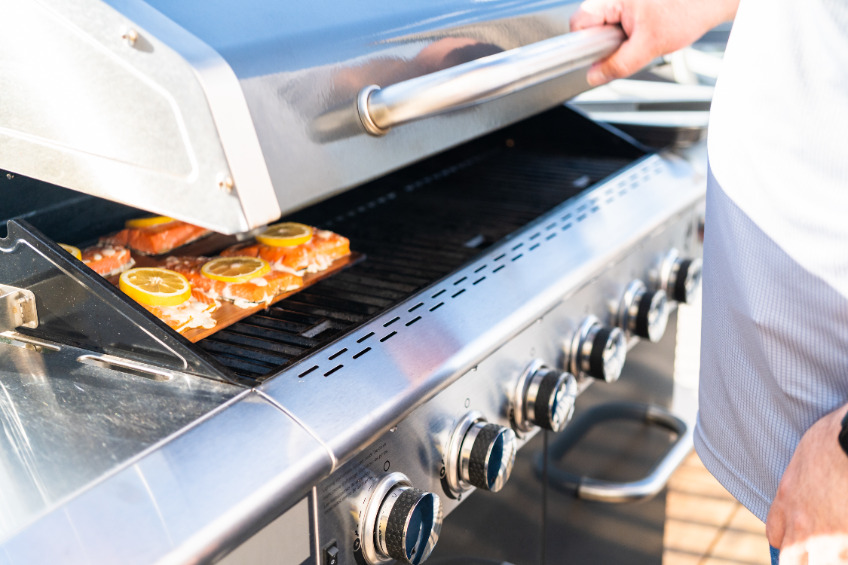
Gas grills typically require higher upfront investment but offer lower ongoing fuel costs, while charcoal grills cost less initially but accumulate higher expenses through frequent charcoal purchases.
The grilling experience differs significantly between both options, affecting value perception beyond pure cost calculations.
Ongoing Fuel Expenses: Charcoal vs. Propane
Charcoal briquettes or lump charcoal cost approximately $20 per bag, lasting several grilling sessions depending on cooking frequency and duration.
Heavy grillers may purchase multiple bags per month during peak season.
A standard 20-pound propane tank costs $20-30 to refill and typically provides 18-20 hours of cooking time.
Most casual grillers refill their propane tank 2-3 times per grilling season.
Annual fuel cost comparison for moderate use:
- Charcoal: $120-180 (6-9 bags per year)
- Propane: $60-90 (3-4 refills per year)
Charcoal requires lighting fluid or chimney starters, adding $15-25 annually.
Gas grill users avoid these additional fire-starting costs entirely.
Propane prices remain relatively stable year-round.
Charcoal prices fluctuate seasonally, with peak summer prices 20-30% higher than off-season rates.
Differences in Maintenance and Upkeep Costs
Gas grills require more complex maintenance due to their mechanical components.
Burner tubes, ignition systems, and heat shields need periodic replacement, costing $30-100 annually depending on grill quality and usage.
Propane tanks require inspection and certification every 12 years, costing $15-25 per tank.
Gas lines and connections need regular checking for leaks using soapy water or electronic detectors.
Charcoal grills have simpler maintenance requirements.
Grates may need replacement every 2-3 years at $20-50 per set. Ash pans and charcoal grates last longer with proper care.
Cleaning costs differ significantly:
- Gas grills: Require specialized degreasers for burner cleaning ($20-30 annually)
- Charcoal grills: Basic grill brushes and ash disposal tools ($10-15 annually)
Both grill types need grill covers for weather protection, costing $25-75 depending on size and quality.
Impact on Grilling Experience and Flavor
Charcoal grills produce distinctive smoky flavor that many outdoor cooking enthusiasts prefer.
This authentic barbecue taste cannot be fully replicated by gas grills, creating value beyond cost considerations.
Gas grills offer precise temperature control and instant ignition.
They reach cooking temperature within 10-15 minutes compared to 20-30 minutes for charcoal preparation.
The grilling experience varies substantially between fuel types.
Charcoal requires more hands-on management, including fire building, temperature monitoring, and ash cleanup after cooking.
Convenience factors affecting perceived value:
- Gas grills: Push-button ignition, consistent heat zones, easy cleanup
- Charcoal grills: Traditional outdoor cooking experience, superior flavor development, lower operating noise
Professional chefs often choose charcoal for its high-heat capabilities and flavor enhancement.
Home cooks frequently prefer gas for weeknight convenience and predictable results.
How to Budget and Save on Charcoal Grilling

Smart purchasing decisions on grill selection and efficient charcoal usage can significantly reduce grilling expenses.
Proper maintenance extends equipment lifespan while strategic buying saves money on fuel and accessories.
Choosing the Right Grill for Your Needs
Budget-conscious grillers should match grill size to their actual cooking needs.
Small portable charcoal grills cost $20-$50 and work well for couples or small families.
Mid-range grills with 22-inch cooking surfaces typically cost $150-$250.
These handle most family gatherings without wasting fuel on excess space.
Large premium grills over $300 only make financial sense for frequent entertainers.
The basic grilling mechanism remains identical across price points.
Key features that matter for budget grilling:
- Tight-fitting lids that seal properly
- Adjustable air vents that close completely
- Solid construction that retains heat efficiently
Well-sealed grills save 2-3 pounds of charcoal per session.
This translates to $5-$10 savings each time someone grills.
Stainless steel offers the best durability but costs more upfront.
Porcelain-coated steel provides good rust resistance at lower prices.
Reducing Charcoal and Accessory Costs
Briquettes cost less than lump charcoal, ranging $10-$20 for 20-pound bags.
Lump charcoal costs $1-$3 per pound but burns hotter and cleaner.
One of the common myths about charcoal grilling is that the fuel will cost you a fortune.
In reality, you can find plenty of budget-friendly options online.
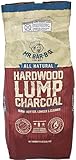 For example, the Mr. Bar-B-Q All Natural Hardwood Lump Charcoal (8 lb bag) is a solid pick.
It’s made from 100% natural hardwood, so you get that rich smoky flavor without chemicals or fillers.
Despite its low price, it burns hot and clean, making it perfect for kettle grills or casual backyard cooking.
If you’re new to charcoal, this kind of affordable option proves that grilling with real wood doesn’t have to strain your budget.
Buying charcoal in bulk during off-season sales reduces costs significantly.
Many retailers offer 40-50% discounts in fall and winter months.
Money-saving fuel strategies:
- Use chimney starters instead of lighter fluid
- Save partially burned charcoal for next session
- Mix fresh charcoal with leftover coals
- Buy store brands instead of premium names
Essential accessories include a wire brush ($10-$20) and chimney starter ($10-$50).
These tools eliminate recurring costs of lighter fluid and disposable cleaning products.
Generic grill tools and accessories perform similarly to branded versions. Focus spending on items that directly affect safety and food quality.
Tips for Extending Grill Lifespan
Regular cleaning prevents rust and maintains grill performance.
Clean grates after each use while they’re still warm for easier maintenance.
Empty ash regularly to prevent moisture buildup.
Accumulated ash traps water and accelerates metal corrosion.
Durability maintenance checklist:
- Cover grill when not in use
- Store in dry location during winter
- Oil grates to prevent rust
- Inspect and replace worn parts promptly
Quality covers cost $30-$60 but extend grill life by years.
UV protection and waterproofing prevent premature deterioration.
Minor repairs cost less than replacement.
Replace grates, handles, and vents as needed rather than buying new grills.
Proper storage during harsh weather protects the investment.
Even budget grills last 5-7 years with adequate care and maintenance.
Is Charcoal Grilling Worth the Expense?
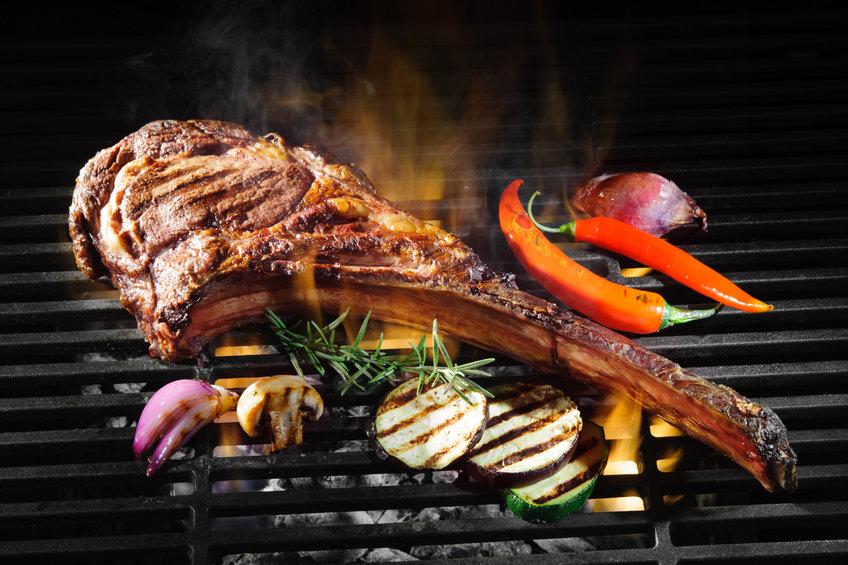
Charcoal grilling delivers superior flavor and cooking control that justifies its costs for many outdoor cooking enthusiasts.
The decision depends on individual priorities, cooking frequency, and budget considerations.
Long-Term Value and Total Cost of Ownership
Basic charcoal grills start around $50 and provide excellent value for casual grillers.
Mid-range models between $100-$300 offer durability and better heat control for regular use.
Premium charcoal grills cost $500 or more but can last decades with proper care.
These models feature superior materials like thick steel or ceramic construction that resist rust and maintain consistent temperatures.
Ongoing expenses remain reasonable:
- Charcoal costs approximately $1.20 per cooking session
- Replacement parts are minimal compared to gas grills
- No propane tank refills or complex ignition systems to maintain
The initial investment in a quality charcoal grill often pays off through longevity.
A well-built unit can serve a family for 10-20 years with basic maintenance.
Budget-conscious grillers can find excellent options under $150 that deliver authentic charcoal flavor.
The Weber Original Kettle exemplifies this value proposition at under $150.
 If you’re worried that charcoal grilling might break the bank, the Weber Original Kettle proves otherwise.
For a modest price, you get a grill that’s built to last for years thanks to its porcelain-enameled steel construction.
It doesn’t just save you money upfront—it also uses charcoal efficiently, so you’re not burning through fuel.
Easy to clean, simple to use, and capable of delivering authentic smoky flavor, the Original Kettle is one of the best examples of how charcoal grilling can be budget-friendly without sacrificing quality.
Unique Benefits of Charcoal Cooking
Charcoal grills produce unmatched smoky flavor that gas and electric models cannot replicate.
The smoke from vaporized fats and oils infuses food with distinctive taste profiles.
Temperature control reaches extremes impossible with other grilling methods.
Charcoal achieves searing temperatures above 700°F for perfect steaks while also maintaining low temperatures for smoking.
The grilling experience becomes more engaging and hands-on.
Managing airflow, arranging coals, and controlling heat develops genuine outdoor cooking skills.
Charcoal offers versatility beyond basic grilling.
Users can smoke meats, bake pizzas, and roast vegetables using the same equipment with different techniques.
Key advantages include:
- Superior flavor development
- Higher maximum temperatures
- Lower operating costs per session
- Simplified mechanical design with fewer failure points
Who Should Invest in Premium Charcoal Grills?
Frequent grillers who cook outdoors multiple times per week benefit most from premium models.
Daily use justifies spending $300-$800 on durable construction and advanced features.
Flavor enthusiasts prioritizing authentic barbecue taste should consider mid-range to high-end options.
Models with adjustable vents and thick walls provide better smoke circulation and heat retention.
Casual weekend grillers can achieve excellent results with basic models under $150.
These units deliver genuine charcoal flavor without premium features they won’t utilize.
Serious barbecue competitors often invest in kamado-style grills costing $1,000 or more.
These ceramic units excel at both high-heat grilling and low-temperature smoking for competition-level results.
Apartment dwellers and those with limited outdoor space should focus on portable models under $100.
These compact grills sacrifice cooking area but maintain charcoal’s flavor advantages.