
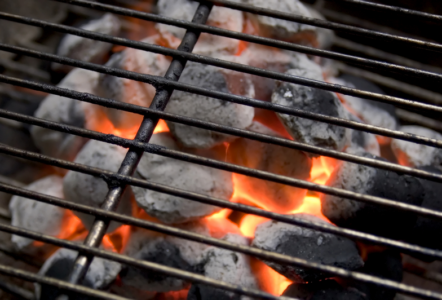
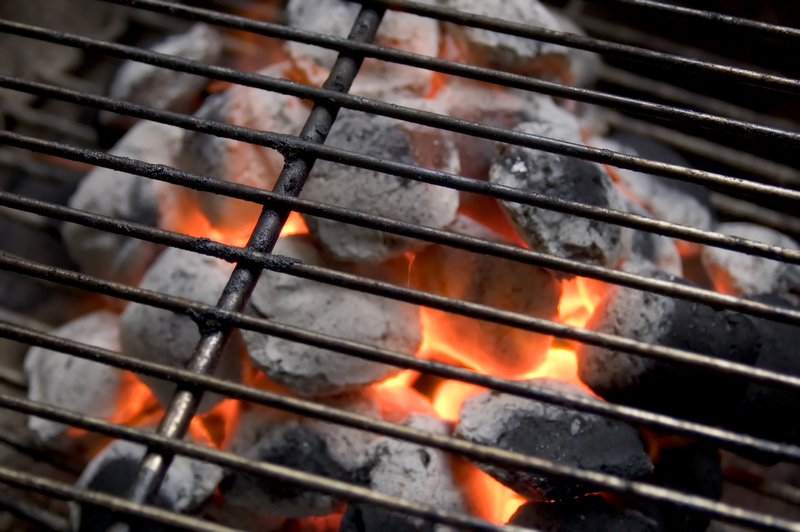
 Choosing a charcoal grill can be difficult when two popular designs promise great results. A kettle grill is round and compact, while a barrel grill is long and wide, with more room for food. Both are solid choices for charcoal grilling and outdoor cooking, but they suit different needs.
If you cook for small groups and want a grill that is easy to use and move, a kettle grill is the better pick. If you feed larger groups or want to smoke meat low and slow, a barrel grill is the better choice. Barrel grills stand out when cooking capacity matters most.
Your yard size, budget, and favorite foods all play a part in choosing the right grill. Read on to compare how each type handles heat, cleanup, cost, and flavor.
The Quick Verdict
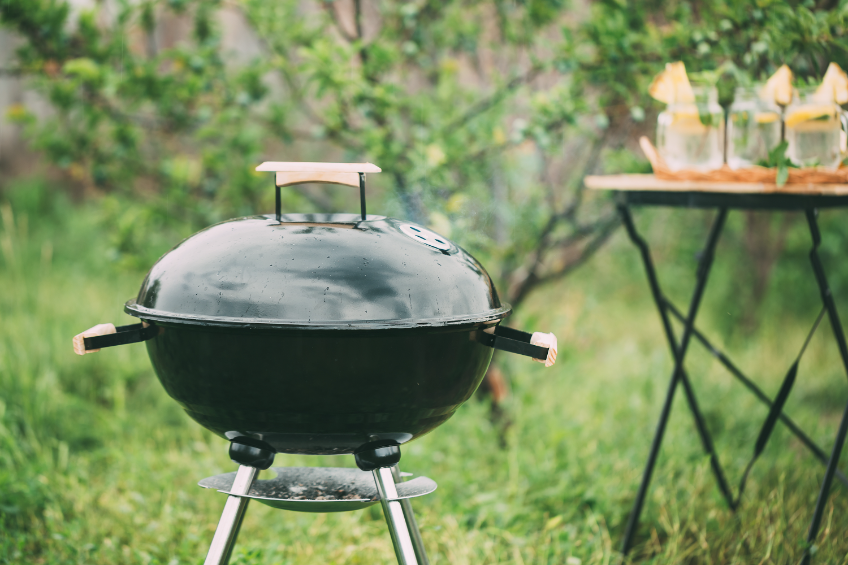 A kettle grill works best if you cook for a few people and want a grill that is easy to move, clean, and control. A barrel grill works best if you feed larger groups or plan long, slow smoking sessions.
Choose a Kettle for Smaller Gatherings and Flexibility
Kettle grills are a good fit if you cook for about 2 to 6 people at a time. A standard 22-inch kettle has around 363 square inches of cooking space, enough for about 10 to 13 burgers.
The round shape and two air vents help maintain steady temperatures. The vents also help the grill use less fuel. You can sear steaks over direct heat or push the coals to one side to cook chicken more slowly.
A kettle also makes sense if:
- You have a small patio or balcony
- You are new to using a charcoal grill
- You want to spend less money up front
- You want a grill with an ash tray that is quick to empty
Choose a Barrel for More Food and Longer Cooks
A barrel grill is a better pick if your backyard barbecue often draws a crowd. Some models, like the Char-Griller Outlaw, offer about 950 square inches of cooking space, more than twice the area of a standard kettle.
The long shape makes it easy to set up a hot side and a cool side. This helps when smoking brisket, ribs, or pork shoulder for several hours. Many barrel grills also let you add a side firebox for offset smoking.
Keep these trade-offs in mind before you pick the grill that fits your yard:
| Factor | Barrel Grill |
|---|---|
| Space needed | Requires more room on your patio or in your yard |
| Fuel use | Uses more charcoal |
| Heat control | Takes more practice |
| Cleaning | Takes more time because of its size |
Design and Cooking Capacity
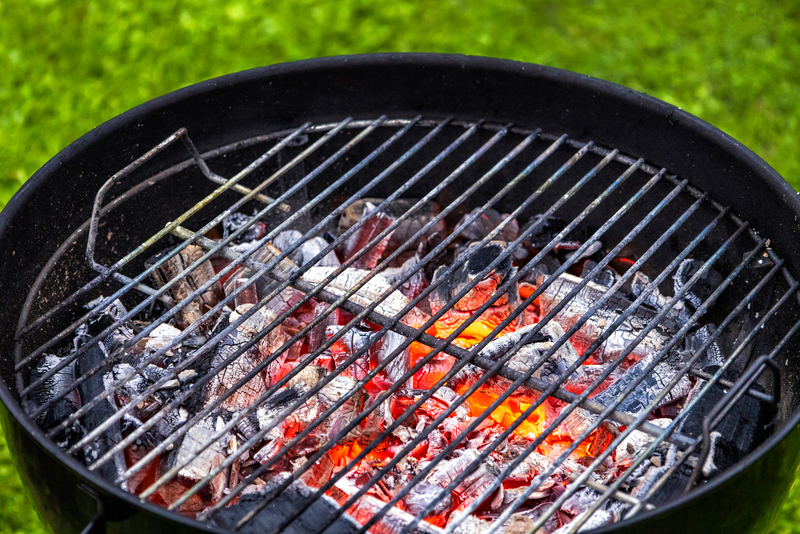 A round kettle grill offers about 240 to 363 square inches of cooking space in a compact design. A barrel grill trades that smaller footprint for a long, wide grate that can feed a larger group or hold several big cuts at once.
How Shape Affects Heat and Usable Grate Space
A kettle has a deep bowl and a domed lid. This shape helps hot air circulate around the food. The dome-shaped kettle design supports even heat circulation, making it suitable for indirect cooking.
The trade-off is cooking space. A round grate has less usable room near the edges, and you often push coals to one side for indirect cooking. This leaves less of the cooking surface available for food.
A barrel grill has a long, rectangular cooking chamber. You can build a hot zone at one end and a cooler zone at the other, giving you more flat grate space to spread food out.
Comparing Cooking Space for Families and Crowds
Kettle sizes are easy to compare. The 22-inch Weber Original Kettle Premium offers 363 square inches of cooking space. The 18-inch version has 240 square inches.
| Grill Type | Cooking Area | Good For |
|---|---|---|
| 18-inch kettle | 240 sq in | 2 to 4 people |
| 22-inch kettle | 363 sq in | 6 to 8 burgers or 2 whole chickens |
| Barrel grill | Larger, varies by model | Several chickens or more than one brisket |
If you cook for two to six people, a 22-inch kettle is usually enough. If you often feed more than six, a barrel grill gives you room to cook everything in one batch.
Horizontal Barrels, Offset Smokers, and Vertical Drum Cookers
Barrel cookers come in three main styles:
- Horizontal barrel grill: The barrel lies on its side. Coals sit under the food, much like in a large kettle with a longer grate.
- Offset smoker: A small side firebox attaches to the main chamber. You burn charcoal or wood in the firebox, and heat and smoke flow across the food. The food does not sit directly over the fire.
- Vertical drum cooker: The barrel stands upright. Coals sit at the bottom, and food rests on grates or hangs from hooks near the top.
An offset smoker offers plenty of room for low-and-slow cooking. A vertical drum cooker takes up less ground space but holds less food than a long horizontal barrel.
Heat Control and Charcoal Use
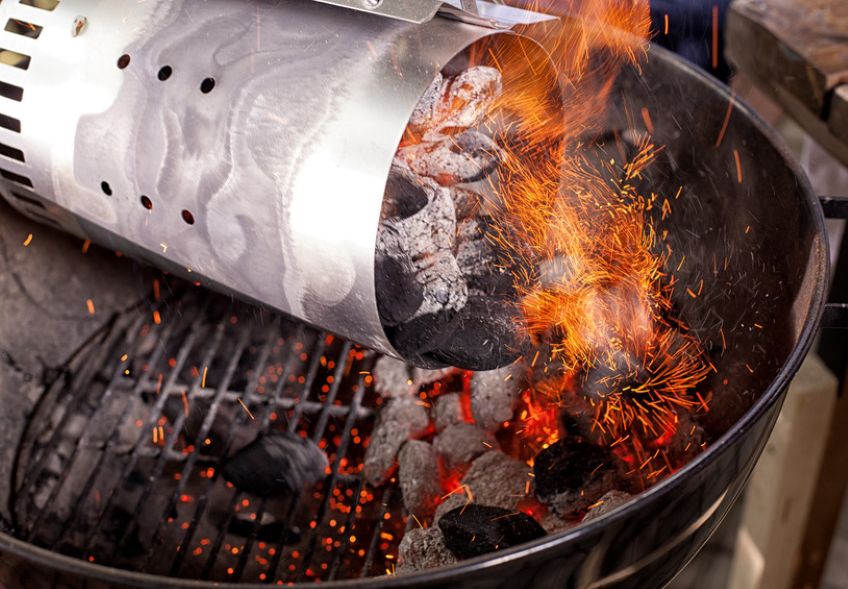 A kettle uses fewer vents and less charcoal, making it quick to adjust for shorter cooks. A barrel holds more fuel and can maintain steady heat over many hours, but it takes more charcoal to fill.
Managing Vents and Maintaining Steady Temperatures
On a Weber kettle grill, you control heat with the bottom damper, lid vent, and coal placement. Kettle grills offer temperature control through dampers and charcoal grate position. Open the vents to increase heat and close them partway to lower it. A lid thermometer helps you monitor the temperature.
A barrel grill works similarly, but its larger cooking chamber reacts more slowly. This can help during long cooks because small changes in wind or fuel are less likely to cause big temperature swings.
Here are some basic vent tips for charcoal grilling:
- Keep the bottom vent open when lighting coals.
- Adjust in small steps and wait 10 to 15 minutes to see the change.
- Position the lid vent over the food on a kettle so smoke passes over it.
Fuel Efficiency, Lump Charcoal, and Long Cooks
A kettle’s compact, round shape holds heat well, so a burger night might need only one chimney of coals. A barrel has more space to heat, so it usually uses more fuel.
Lump charcoal lights quickly and burns hot, leaving less ash than briquettes. However, it can burn unevenly, so briquettes are often easier to use for low heat that lasts for hours.
| Factor | Kettle Grill | Barrel Grill |
|---|---|---|
| Charcoal for short cooks | Less | More |
| Refills on long cooks | About every 2 hours | Less often |
| Ash cleanup | Small ash catcher | Removable ash pan on many models |
For an 8-hour smoke, a barrel grill’s larger capacity and ash pan can make the job easier. With a kettle, you may need to add coals and check the vents more often.
Grilling Versatility and Cooking Techniques
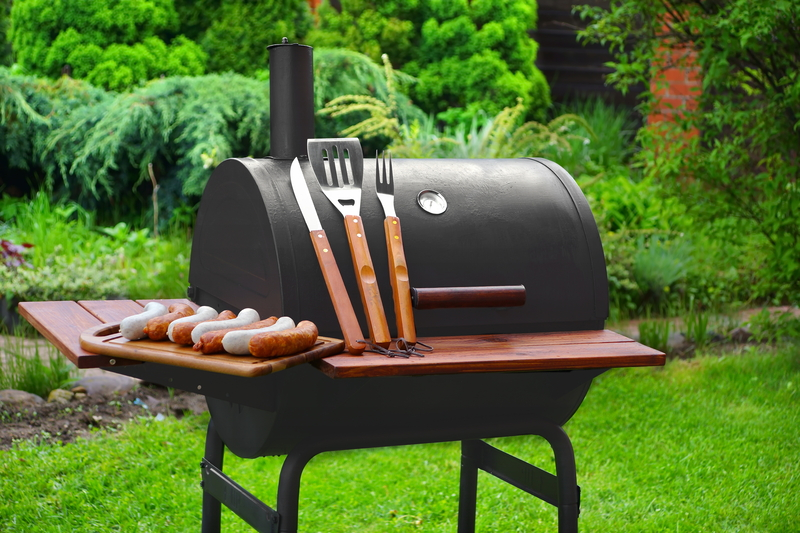 Both grills can handle direct and indirect grilling, but they differ in cooking space and heat control. Each brings unique advantages to charcoal grilling. A kettle holds heat close to the food for searing, while a barrel gives you more room to spread out coals and cook several items at once.
Searing Over Direct Heat
Direct heat means placing food right over hot coals. This method works well for burgers, steaks, chops, and thin vegetables that cook in under 20 minutes.
A kettle is well suited to searing. Its round bowl keeps the coals close together, concentrating heat under the grate. You can also adjust the top and bottom vents to raise or lower the temperature.
A barrel grill can sear too, but it takes more charcoal to cover its wide, long firebox. Many barrel models have an adjustable charcoal tray that you can raise closer to the grate for a hotter sear.
Tips for a good sear:
- Preheat the grill with the lid closed for 10 to 15 minutes.
- Clean and oil the grate before adding food.
- Leave the food in place until it releases easily from the grate.
Setting Up Indirect Heat and Two-Zone Cooking
With indirect cooking, the food sits away from the coals. The closed lid traps heat, allowing the food to cook slowly, much like in an oven. This method works well for whole chickens, ribs, pork shoulder, and brisket.
A two-zone setup gives you both direct and indirect heat on one grill: pile coals on one side and leave the other side empty.
| Grill Type | How to Set Up Two Zones | Best For |
|---|---|---|
| Kettle | Push coals to one side of the bowl, or use charcoal baskets | Chicken, roasts, short cooks |
| Barrel | Pile coals at one end, or use a side firebox for smoking | Ribs, brisket, long barbecue sessions |
Barrel grills can make low-and-slow barbecue easier because their long shape allows more distance between the fire and the food. On a kettle, you may need to add charcoal more often during long cooks.
Cooking Different Foods at the Same Time
Cooking space matters when you want to grill a full meal at once. A 22-inch kettle has a 363-square-inch grate that fits about six to eight burgers or two whole chickens, enough for most family dinners.
A barrel grill gives you more room. You can sear steaks over the coals at one end while corn, potatoes, and sausages cook more gently at the other.
Here is how you might plan a mixed meal:
- Hot zone: steaks, burgers, or chicken thighs
- Medium area: peppers, onions, and corn
- Cool zone: foods that need to stay warm or finish cooking slowly
On a kettle, you may need to cook in batches if you have many guests. Use this layout to try different grilling techniques and learn how your grill holds heat.
Smoking Performance and Flavor
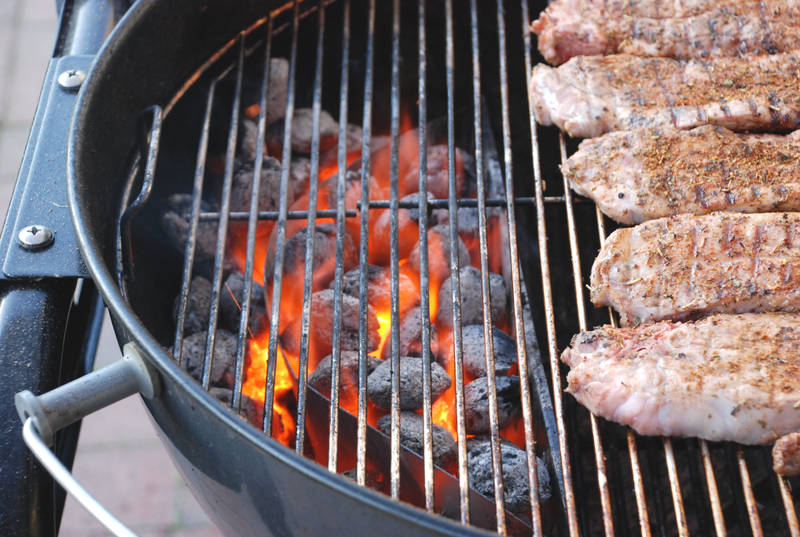 A kettle can smoke meat well if you set up two heat zones and monitor the vents. A barrel grill with a side firebox can maintain low heat for longer, but the type of wood you choose has a greater effect on smoky flavor than the grill type does.
Smoking Meat on a Kettle
You can smoke meat on a kettle grill, but it takes more effort. Pile the coals on one side and place the meat on the other side, away from the direct heat.
Keep the lid closed and use the vents to control the heat. Opening the vents increases airflow and can make the fire hotter; closing them reduces airflow and can cool it down.
Here are a few tips:
- Aim for about 225°F to 250°F for ribs or pork shoulder.
- Add a wood chunk such as hickory to produce rich, savory smoke.
- Place the lid vent over the meat so smoke moves across it.
- Put a pan of water under the meat to help keep the heat steady.
When a Barrel or Side Firebox Helps
A barrel grill has more room inside, allowing the coals to sit farther from the food for gentler, more even heat. Many buyers find that barrel grills generally offer better smoking performance because of their larger cooking chamber and airflow control.
Some barrel grills come with a side firebox, a small box attached to the end of the grill. You build the fire there, and heat and smoke flow across the meat. This setup works like an offset smoker.
A side firebox is especially useful when you:
- Cook a brisket or pork butt for 8 hours or more
- Feed a large group
- Want to add wood without opening the main lid
Choosing Wood for the Flavor You Want
The type of wood you use has a big effect on flavor. You can add wood chips or wood chunks to either grill. Kettle grills work well with wood chips, making it easy to try different flavors.
| Wood | Flavor | Best With |
|---|---|---|
| Hickory | Strong, bacon-like | Pork, ribs |
| Mesquite | Very strong, earthy | Beef, short cooks |
| Apple | Mild, a little sweet | Chicken, pork |
| Oak | Medium | Brisket, most meats |
| Cherry | Mild, fruity | Poultry, ham |
Use chunks for long cooks, since they burn more slowly than chips. Hardwoods like hickory provide steady smoke that enhances pork shoulder and brisket.
Use mesquite in small amounts, because too much can make food taste bitter. Look for thin, pale blue smoke; thick white smoke can leave a harsh taste on your meat.
Practical Buying Considerations
 Cost, parts, available space, and the food you cook most often should guide your choice. A kettle grill is usually cheaper and smaller, while a barrel grill gives you more room for big meals and long smoking sessions.
Price, Build Quality, and Replacement Parts
Prices can vary considerably between these grill styles, depending on the model, size, materials, and features. Portable Weber kettle grills are generally available at the more affordable end of the market, while heavy-duty barrel grills typically cost more because of their larger cooking areas and additional features.
Build quality matters more than grill style.
Look for these features:
- Thick steel that does not bend when you press on it
- Porcelain-enamel coating that resists rust
- Tight-fitting lids that help retain heat and smoke
- Solid vents that move smoothly
Replacement parts also matter. Weber kettle grills have been available for decades, so replacement grates, ash catchers, and vents are easy to find. Some budget barrel grills use parts that fit only one model. Weigh cost and overall value, not just the sticker price.
Footprint, Portability, and Cleanup
Measure your space before you buy. A kettle grill is round and compact, so it can fit on small patios and balconies where grills are allowed. A barrel grill is longer and often has side tables, so it needs more room. This guide can help you pick a grill that fits your yard.
| Feature | Kettle Grill | Barrel Grill |
|---|---|---|
| Size | Small to medium | Medium to large |
| Weight | Lighter | Heavier |
| Portability | Good for camping and tailgating | Best kept in one spot |
| Cleanup | One ash pan, few parts | More ash and more surface to scrub |
Cleanup is often faster with a kettle grill. Many Weber models have a sweep system that pushes ash into a pan below. Barrel grills hold more charcoal, so they produce more ash to remove after each cook.
Match the Grill to Your Cooking Habits
Think about what you cook most often. Your cooking habits can help you choose the right grill for outdoor cooking.
Choose a kettle grill if you:
- Cook burgers, chicken, hot dogs, or vegetables on weeknights
- Usually feed two to six people
- Want a grill that heats up quickly
Choose a barrel grill if you:
- Smoke ribs, pork shoulder, or brisket for several hours
- Often cook for more than six people
- Want extra cooking space to set up hot and cool zones
A kettle grill can also smoke food when you bank the charcoal on one side and adjust the vents, but its smaller cooking area limits how much food you can smoke at once.
Some Excellent Examples of Barrel and Kettle Grills to Consider
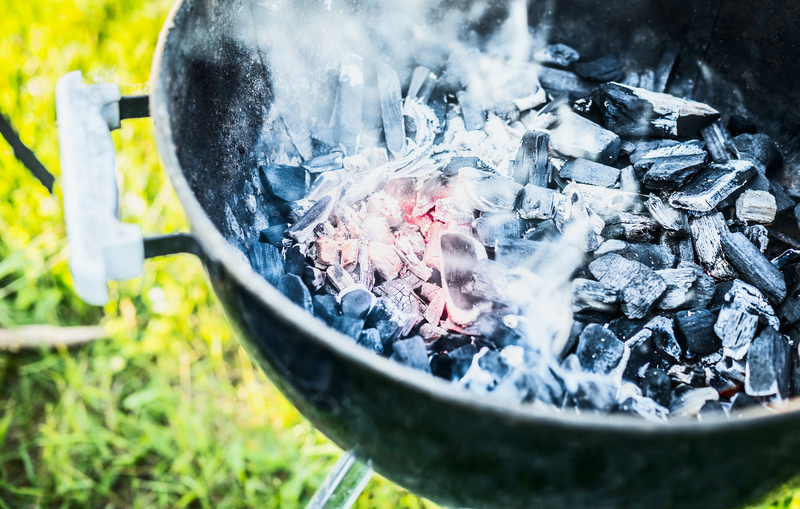 Start comparing grills today to find the right model for your cooking style, space, and budget.
The Weber Original Kettle Premium is the classic kettle grill and remains a versatile option for everyday backyard cooking. If you could only use one grill for the rest of your life, this model would be a solid choice because it’s affordable, easy to use, made from quality materials, and delivers excellent charcoal flavor.
Its classic shape also makes it easy to create different heat zones, allowing you to cook away from direct heat when you need to let larger cuts cook slowly and evenly.
If you want something more modern for your outdoor space, consider the Weber Performer Charcoal Grill. It follows the same basic design principles as the original kettle but adds upgraded materials and a more convenient ash collection system.
It also features an integrated preparation cart, giving you additional workspace while cooking. Even with its higher price, this model remains competitive with gas grills that offer less usable cooking space.
If you want to grill, smoke, or make BBQ with a barrel grill, the Char-Griller Outlaw is a practical starting point. With a 950-square-inch cooking area, there is plenty of room for different foods and larger gatherings.
While it may not look as refined or be as easy to clean as a Weber, it offers a substantial amount of cooking space and versatility for the price.
If you want to cook with an offset smoker, the Char-Broil Offset Smoker Grill is a straightforward and affordable option. It’s well suited to low-and-slow cooking sessions where you can take several hours to build smoke and develop deeper BBQ flavor.
There are also ultra-premium options available if you want a more advanced barrel-style cooking setup.
If you want a large cooking area with the convenience of a pellet hopper, the Weber SmokeFire Wood Fired Pellet Grill is an excellent option.
It delivers excellent performance for grilling, smoking, and BBQ while the automated pellet feeding system makes temperature management easier. The versatility of a pellet grill allows you to handle everything from low-and-slow smoking to everyday grilling and high-heat cooking.
Although it costs more than many traditional grills, its combination of cooking versatility and convenience makes it a strong long-term option for outdoor cooking. It can maintain the lower temperatures needed for smoking and reach temperatures of up to 600°F, giving you enough heat for grilling and searing steaks, burgers, and other foods.
As you compare these grills, you’ll notice that different designs offer different combinations of cooking space, convenience, versatility, and price. You don’t necessarily need to spend a fortune to get a reliable kettle or barrel grill that can handle years of outdoor cooking.
FAQ:Which Is Better, a Kettle Grill or a Barrel Grill?
 Neither is universally better. Kettle grills are generally more versatile for everyday grilling, indirect cooking, and temperature control, while barrel grills can provide a larger cooking area and are useful for cooking larger quantities of food. The better choice depends on the type of cooking you plan to do.
What Are the Benefits of a Kettle Grill?
A kettle grill has a rounded cooking chamber that helps retain heat and circulate hot air. Its compact design makes it well suited to direct grilling, indirect cooking, roasting, and smoking, while adjustable vents provide control over airflow and temperature.
What Are the Benefits of a Barrel Grill?
Barrel grills typically provide a large, elongated cooking surface, making them useful when cooking for several people. Their shape also allows charcoal to be arranged into different heat zones for direct and indirect cooking.
Which Is Better for Smoking, a Kettle or Barrel Grill?
Both can be used for smoking, but the design and size of the particular grill matter. A barrel grill can provide more space for larger cuts of meat, while a kettle grill can create an effective indirect-heat setup for smaller quantities.
Which Is Easier to Control, a Kettle or Barrel Grill?
Kettle grills are often straightforward to control because their adjustable vents regulate airflow through the compact cooking chamber. However, temperature control ultimately depends on the grill’s vent design, charcoal arrangement, fuel quantity, and how well the lid seals.
Which Should You Choose: Kettle or Barrel Grill?
Choose a kettle grill if you want a compact, versatile charcoal grill for everyday grilling and indirect cooking. A barrel grill may be more suitable if you regularly cook larger quantities and want a larger cooking surface.