

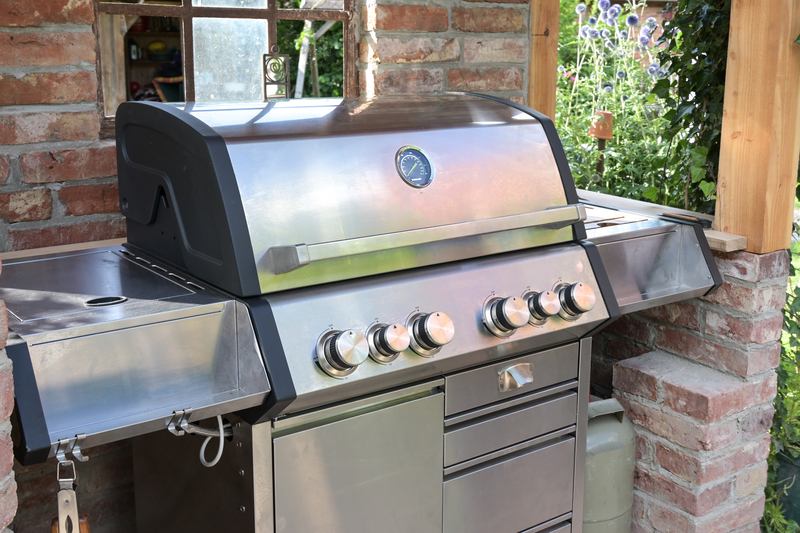
A propane grill is a common purchase for outdoor cooking. Before you buy one or decide to replace your current grill, it helps to know how many years of use you can expect. Knowing how long do gas grills last can help you plan your budget and future maintenance.
Most propane gas grills last between 5 and 15 years, depending on build quality, usage, and maintenance. A budget model may last only a few seasons, while a well-maintained, high-quality propane grill can reach the upper end of that range.
Your propane grill lifespan depends on its materials, your local climate, and how you clean and store it. Below, learn what affects how long gas grills last, how to extend your grill’s life, and when it may be time for a replacement.
Typical Lifespan by Grill Quality
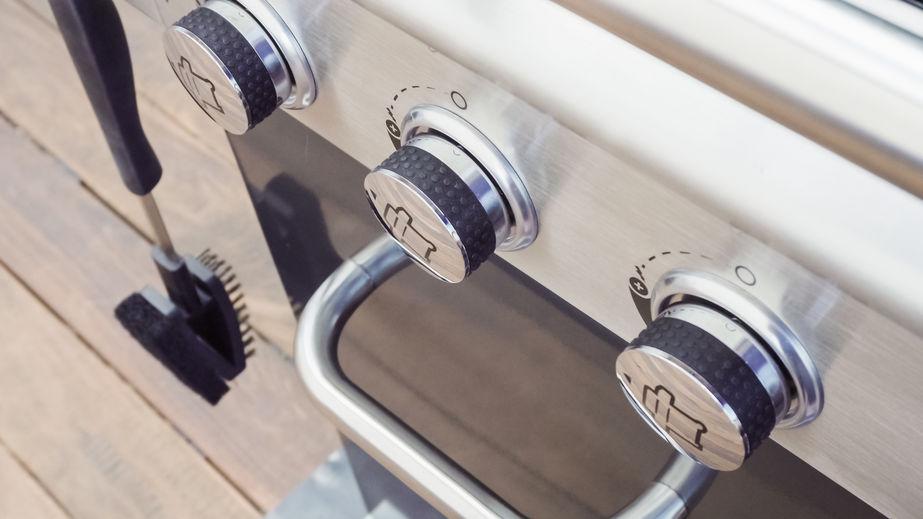 The average gas grill lifespan is about 5 to 15 years. Price can indicate where a grill may fall within that range, but estimates are only a guide, not a guarantee.
When buyers ask how long do gas grills last, the answer usually comes down to materials and care. Quality propane grills can easily reach the double-digit mark when maintained well.
What to Expect From Budget, Mid-Range, and High-End Models
Budget grills often use thin steel and painted parts that can rust sooner. Higher-quality grills typically use thicker stainless steel or cast parts that can last longer.
| Grill Quality | Common Materials | Typical Lifespan |
|---|---|---|
| Budget | Thin painted steel, light burners | About 3–5 years |
| Mid-range | Mixed steel, some stainless parts | About 5–7 years |
| High-end | Heavy stainless steel, cast burners | 10–15+ years |
High-end gas grills can last over a decade and often come with longer warranties. Many gas grills have warranties of at least 3 years, while premium brands may offer longer coverage.
If you are on a budget, choose a grill with fewer features. Low-cost grills with many extras may cut corners on burners, grates, and heat plates.
Why Lifespan Estimates Are Not Guarantees
Price alone does not determine how long gas grills last. A budget grill that is cleaned and covered can outlast an expensive grill left exposed to rain and snow.
Several factors affect your gas grill’s lifespan:
- Weather: Salty air, rain, and snow can speed up rust.
- Use: Frequent high-heat cooking can wear out burners faster.
- Food: Acidic marinades and grease buildup can damage parts.
- Storage: A fitted grill cover and a dry storage area can slow wear.
Material quality, usage, and storage can help determine whether a grill lasts three years or fifteen. Replacing worn parts, such as burners or grates, can also extend its life.
What Determines How Long a Grill Lasts
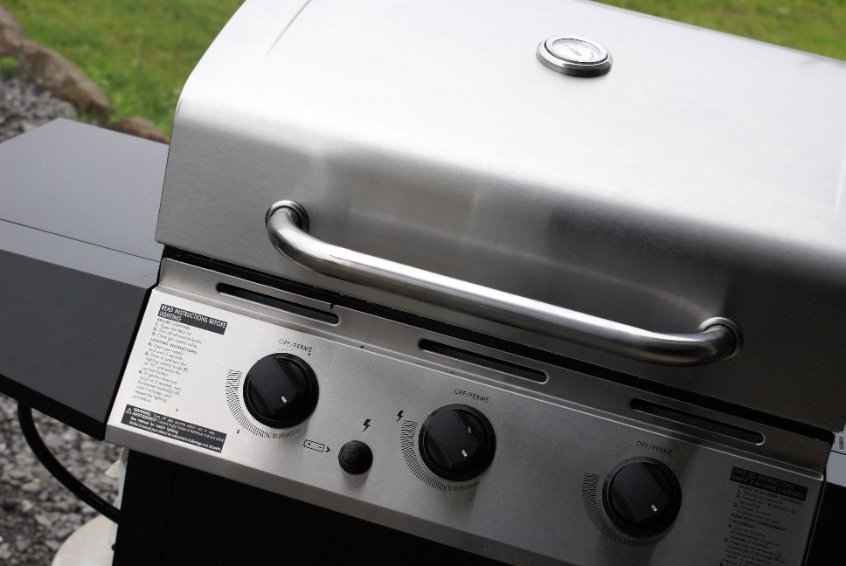 A grill’s lifespan depends on its materials, the availability of replacement parts, how often you use it, and where you store it. A well-built grill protected from harsh weather will typically outlast a cheaper model left uncovered year-round.
Materials, Construction, and Parts Availability
The metal used in your grill often matters more than the brand name. Grills built with durable materials like stainless steel tend to last longer than cheaper models with less durable parts.
Here is how common materials compare:
| Part | Longer-Lasting Option | Shorter-Lasting Option |
|---|---|---|
| Burners | Stainless steel burners | Thin steel or aluminized steel |
| Cooking grates | Heavy stainless steel or cast iron | Thin porcelain-coated wire |
| Body | Thick 304 stainless steel or cast aluminum | Painted thin steel |
Be cautious when buying a low-cost propane grill with many extra features. These models may use lower-quality materials for key parts, such as burners, grates, and heat plates.
Parts availability matters, too. If you can buy replacement burners, igniters, and grates for your model, you may be able to repair the grill instead of replacing it.
Cooking Frequency, Climate, and Weather Exposure
How often and at what temperature you cook affects wear. Frequent high-heat grilling puts more stress on burners and heat plates than low-and-slow cooking.
What you cook can also affect your grill:
- Acidic marinades can speed up corrosion on grates.
- Fatty meats create grease buildup, which can cause flare-ups and damage parts.
Your local climate matters, too.
Rust can form faster in places with:
- High humidity
- Salty air near the coast
- Heavy rain or snow
A grill left uncovered outdoors all year will rust sooner than one protected by a grill cover or stored in a garage. Using a heavy-duty grill cover keeps out rain and dirt that degrade metal surfaces.
With good care, a mid-range gas grill typically lasts about 5–7 years, while high-quality stainless steel models can last more than a decade.
Which Parts Wear Out First
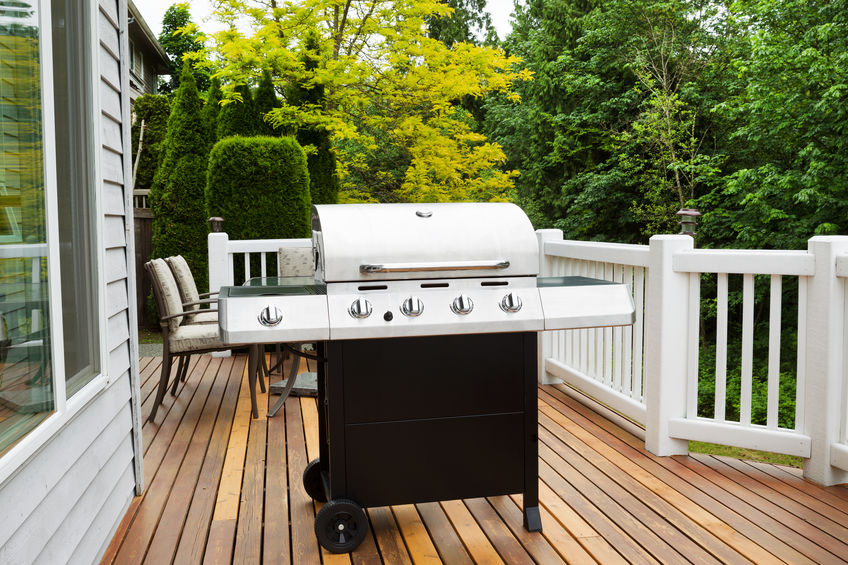 Burners, igniters, and heat shields are exposed to high heat, so they often fail before other components. Grates and gas components may wear out next, while the firebox and frame tend to last the longest.
Burners, Igniters, and Heat Shields
Grill burners are exposed to intense heat and grease, so they often wear out first. Burners are usually made of stainless steel, cast iron, or ceramic. Stainless steel burners resist rust, but thin, low-cost versions can still crack or develop holes.
Watch for these signs:
- Burners: uneven flames, yellow flames, or rust holes
- Igniters: clicking with no spark, or no click at all
- Heat shields: rust, flaking, or sagging metal
You can often identify which grill part has failed by inspecting the symptoms. No spark points to the igniter, while uneven heat may indicate a problem with the burners or heat shields.
Heat shields catch dripping fat. Cooking fatty meats can cause grease buildup on these plates, increasing the risk of flare-ups and accelerating wear.
Grates, Hoses, and Regulators
Cooking grates wear down from heat, scraping, and food acids. Porcelain-coated grill grates can chip, while bare cast iron can rust if you do not oil it.
Heavy stainless steel grill grates last much longer than thin wire options. If food keeps sticking despite thorough seasoning and cleaning, your grill grates may need replacing.
| Part | Common Problem | What to Check |
|---|---|---|
| Cooking grates | Rust, chipping, flaking | Surface coating and bars |
| Hose | Cracks, stiffness | Soapy water leak test |
| Regulator | Low or weak flame | Flame size on high setting |
Hoses and regulators control gas flow. A cracked hose can leak propane, so test it with soapy water each spring. Bubbles indicate a leak. Replace the hose immediately if you find one.
Firebox and Frame Durability
The firebox and lid often last longer than replaceable parts. Fireboxes and lids outlast burners, so replacing burners and grates is normal upkeep, not necessarily a sign that the grill needs replacing.
Replacing small parts as they degrade helps you achieve the full propane grill lifespan expected of a quality cooker.
Material matters here:
- Cast aluminum fireboxes do not rust and can last many years.
- Painted steel fireboxes can rust through once the paint chips.
- Thin sheet metal frames may bend or rust at the joints and wheels.
A firebox that has rusted through or an unstable frame usually means it is time to buy a new grill. Using a cover and keeping the burners clean helps protect the grill from rain and moisture.
How to Extend Your Grill’s Useful Life
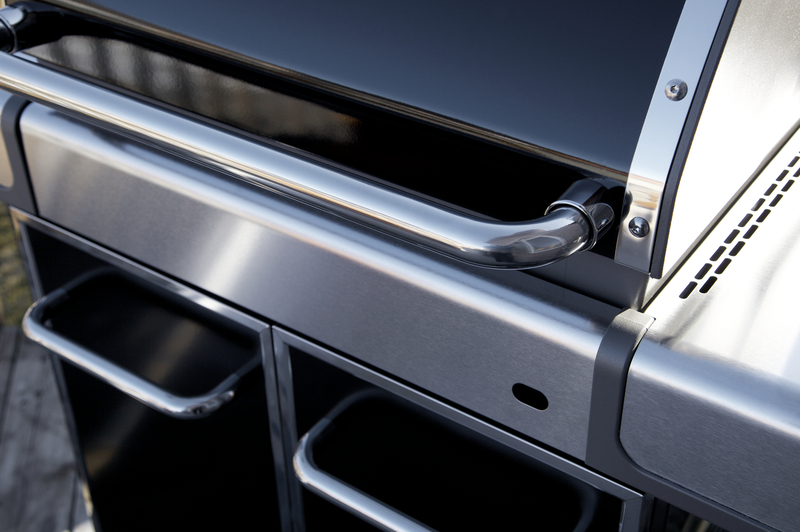 Cleaning your grill after each cookout and checking the gas line regularly can extend its useful life. Protecting the grill from rain, snow, and sun also slows rust and wear.
Clean Grates and Grease Trays Regularly
Food bits and grease left on your grill can cause rust and damage over time. How long your grill lasts depends in part on how well you clean and maintain it.
Follow this simple routine:
- After each use: Heat the grill on high for 10–15 minutes, then scrub the grates with a grill brush.
- Every few uses: Empty the grease tray and drip cup.
- Twice a year: Remove the grates and flavor bars. Wash them in warm, soapy water and check the burners for clogs.
Built-up grease is a common cause of grease fires, so keeping the tray empty lowers the risk. After cleaning, brush a thin coat of cooking oil onto the grill grates to help prevent rust.
Check Gas Connections and Store the Grill Properly
Hoses and fittings can crack or loosen with age. To check for gas leaks, mix equal parts dish soap and water. Brush the mixture onto the hose and connections, then open the tank valve.
- Bubbles form: Gas is leaking. Close the valve and have the faulty part repaired or replaced before using the grill.
- No bubbles: The connections are sealed.
Do this test at the start of each grilling season and each time you change the tank.
Weather also wears down your grill. Use a grill cover once the grill has cooled. A durable grill cover protects exterior metal and internal components from humidity and sunlight.
In winter, move the grill to a sheltered spot, but always keep the propane tank outdoors. Grills with parts such as 304 stainless steel burners resist corrosion better than those made with lower-grade metals.
Warning Signs Your Grill Needs Attention
 Common signs of grill problems include weak flames, uneven cooking, or trouble lighting. Rust holes, cracked metal, and gas smells can indicate safety risks that need prompt attention.
Uneven Heat, Flame Problems, and Ignition Failures
Many cooking problems are caused by dirt rather than broken parts. Grease and food bits can block the small holes in your grill burners, restricting gas flow.
Watch for these signs:
- Some spots on the grate are much hotter than others
- Flames look yellow or orange instead of blue
- The grill takes several clicks to light, or does not light at all
- You see more smoke or flare-ups than usual
A deep cleaning and a few replacement parts can often fix uneven heat and weak ignition. Start by cleaning the burner ports and checking the igniter battery.
If the problems continue after repairs, the burners or valves may be worn out.
Rust, Structural Damage, and Safety Hazards
Light rust on the grates is normal. Rust that creates holes in burner tubes or the firebox is not. Once metal starts to flake or crack, the grill may no longer hold heat safely.
| Warning Sign | What It Means |
|---|---|
| Rust holes in burners | Gas may escape unevenly |
| Cracked or warped firebox | Heat cannot be held safely |
| Wobbly frame | The grill may tip over |
| Thick grease in the cookbox | Higher risk of grease fires |
Gas leaks are the most serious concern. Propane has an added odor similar to rotten eggs. If you smell gas, turn off the tank and do not light the grill.
You can check hoses and connections by brushing on soapy water. Bubbles indicate a leak. Strong gas odors or irregular flames call for a professional before you cook again.
When to Repair or Replace the Grill
 Most problems with cooking grates, grill burners, and igniters can be fixed with low-cost parts. A firebox rusted through, recurring damage to gas lines, or repair costs reaching half the price of a new grill are clearer signs that your propane grill has reached the end of its useful life.
Parts Worth Replacing
Many common grill problems stem from a few parts that wear out over time. Replacing them can extend your grill’s life.
| Part | Common Sign of Wear | Typical Cost |
|---|---|---|
| Igniter | Grill won’t spark or light | $15–$50 |
| Cooking grates | Rust, flaking, or sticking food | $30–$100 |
| Grill burners | Uneven, low, or yellow flames | $100+ |
| Gas hose | Cracks or the smell of gas | Low cost |
These typical grill repair costs vary by brand and material.
Before buying a new burner, try cleaning it first. Clogged burner ports often cause weak flames, and scrubbing them may fix the problem.
When Safety or Repair Costs Justify a New Grill
The grill’s body matters most. You can keep repairing parts as long as the firebox and lid are structurally sound. Once the firebox rusts through, replace the grill.
Use these signs to decide:
- Cost: Repairs cost 50% or more of the price of a new grill.
- Structure: The frame or base is weak, bent, or badly rusted.
- Gas safety: Leaks keep returning, or the valves no longer work properly.
- Age: Your grill is near the end of its typical 5- to 15-year lifespan and needs several parts replaced at once.
A gas grill safety checklist can help you spot problems that put you at risk. Never use a grill that leaks gas.
Two Long-Lasting Powerhouses – Napoleon Prestige 500 RSIB vs. Weber Genesis S-315: Which Gas Grill Is Better?
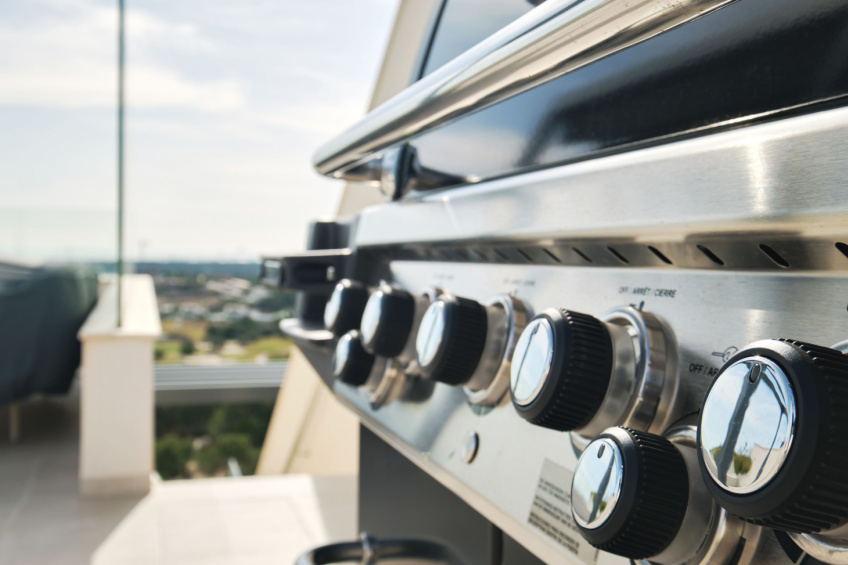
When you invest in a high-quality gas grill, you want more than impressive cooking performance. You want a grill that can withstand years of outdoor use, maintain consistent heat, and provide the features you actually need.
Two strong contenders in the premium propane grill category are the Napoleon Prestige 500 RSIB and the Weber Genesis S-315.
Both are designed for serious outdoor cooking, but they take somewhat different approaches. Napoleon emphasizes power, infrared cooking, and versatility, while Weber focuses on straightforward performance, heat control, and a practical design.
So, which is the better long-term investment?
Durability and Build Quality
The Napoleon Prestige 500 RSIB is built with durability in mind, using stainless steel extensively throughout the grill. Its stainless steel burners, cooking grids, sear plates, and body components are designed to withstand the demands of regular outdoor cooking.
Its wave-shaped stainless steel cooking grids are particularly useful for producing consistent contact with food while resisting corrosion. The grill also features a heavy-duty cart with an enclosed cabinet and soft-close doors, giving it a substantial, premium feel.
The Weber Genesis S-315 combines stainless steel with porcelain-enameled components. Its 7 mm stainless steel cooking grates are designed for durability and provide good heat retention while being relatively straightforward to maintain.
The Genesis S-315 also comes with Weber’s long-term warranty coverage, while its open-cart design and fold-down side tables make it somewhat more practical where space is limited.
For more information on expected lifespan, see our guide to how long a Weber Genesis grill can last.
Verdict: The Napoleon has the edge if your priority is a heavier-duty construction and extensive use of stainless steel. Weber remains a very durable choice, particularly for homeowners who want a simpler, more space-conscious design.
Cooking Performance
The Napoleon Prestige 500 RSIB is the more versatile of the two. It provides approximately 500 square inches of primary cooking space and adds infrared side and rear burners, giving you more options for high-heat cooking and rotisserie use.
Its high overall heat output provides plenty of power for searing steaks, roasting larger cuts of meat, and cooking for groups. The rear infrared burner can also be paired with a rotisserie, making the Napoleon Prestige 500 RSIB particularly attractive if you enjoy whole chickens, roasts, and other rotisserie recipes.
Napoleon’s JETFIRE ignition system is another practical feature, providing quick ignition without adding unnecessary complexity to the cooking process.
The Weber Genesis S-315 takes a more straightforward approach. It offers 513 square inches of total cooking space and uses three PureBlu burners to distribute heat across the cooking area.
Weber’s Flavorizer bars sit above the burners to help vaporize drippings while reducing direct exposure to the flames. The Weber Genesis S-315 is also compatible with Weber Crafted accessories, giving you the option of adding equipment such as a griddle or pizza stone for different cooking styles.
Verdict: Napoleon wins for power and versatility, particularly if you want infrared cooking and rotisserie capability. Weber is the better fit if you prefer straightforward gas grilling with predictable heat control and the option to expand the grill’s capabilities with accessories.
Ease of Use and Maintenance
Both grills are designed to make everyday cooking and cleanup relatively straightforward, although their layouts are quite different.
The Napoleon Prestige 500 RSIB has a roll-top lid that opens smoothly while helping to conserve space behind the grill. Its grease management system provides easy access for cleaning, while the large side shelves offer useful workspace along with integrated towel bars and utensil hooks.
The Weber Genesis S-315 uses Weber’s grease management system with a slide-out grease tray, making routine cleanup easier. It also features a lid-mounted thermometer and push-button ignition for convenient everyday operation.
One of the Weber’s practical advantages is its fold-down side tables. If your grill is positioned on a smaller patio or needs to be stored where space is limited, this design can make a meaningful difference.
Verdict: Both grills are relatively easy to operate and maintain. The Weber gets the advantage for space-conscious setups, while the Napoleon offers a more substantial workstation and storage arrangement.
Which Grill Should You Choose?
The better choice ultimately depends on how you intend to use your grill.
Choose the Napoleon Prestige 500 RSIB if you want a powerful, feature-rich grill with infrared cooking, rotisserie capability, and greater versatility. It makes the most sense for serious grillers who regularly cook larger quantities of food or want more specialized cooking options.
Go with the Weber Genesis S-315 if you prefer reliable everyday performance, straightforward heat control, and a more practical footprint. It is particularly well suited to regular family grilling without the additional features of a premium infrared and rotisserie-focused setup.
Final Verdict
Both the Napoleon Prestige 500 RSIB and Weber Genesis S-315 are high-quality propane grills designed for regular outdoor use, but they appeal to slightly different types of grillers.
The Napoleon Prestige 500 RSIB is the stronger choice for maximum versatility and cooking capability, particularly if infrared burners and rotisserie cooking are important to you. The Weber Genesis S-315 is the more straightforward option, offering dependable everyday grilling performance in a practical design.
If durability, performance, and long-term usability are your priorities, either can be a worthwhile investment. The deciding factor is really how much you value the Napoleon’s additional cooking features compared with the Weber’s simpler and more practical approach.
FAQ: How Long Should a Propane Gas Grill Last?
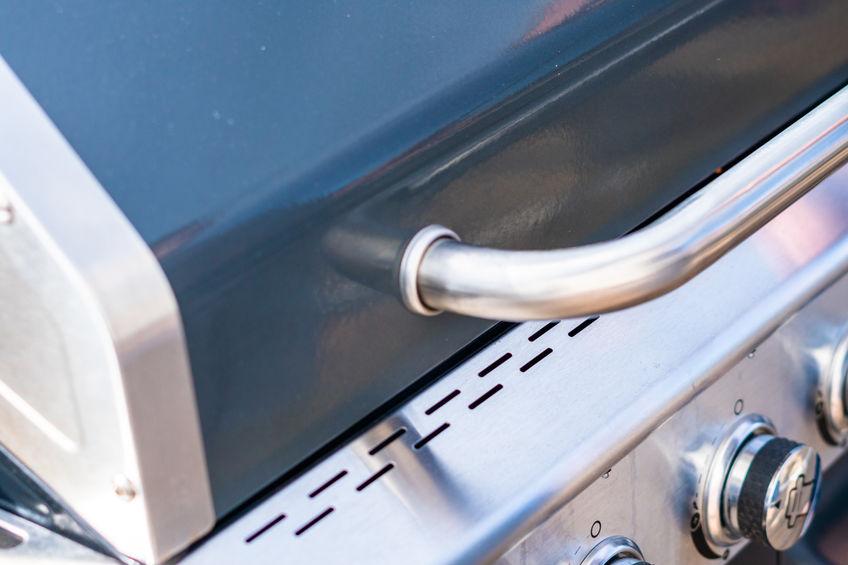
A well-made propane gas grill can typically last 5 to 15 years or more with regular cleaning, proper maintenance, and protection from the weather. The actual lifespan depends on the quality of the materials, frequency of use, climate, and whether worn components can be replaced.
What Determines How Long a Propane Grill Lasts?
The grill’s construction and materials have a major effect on longevity. Stainless steel, cast aluminum, and well-protected steel components can provide good durability, while prolonged exposure to rain, salt air, humidity, and temperature changes can accelerate corrosion.
What Parts of a Gas Grill Wear Out First?
Burners, heat deflectors, cooking grates, igniters, and grease-management components can wear out before the main grill body. Replacing these parts when compatible replacements are available can extend the useful life of the grill.
How Can You Make a Propane Grill Last Longer?
Clean the cooking grates and grease-management system regularly, inspect burners and gas connections, and remove accumulated grease. Keeping the grill covered and protected from prolonged moisture can also reduce corrosion, particularly when it is stored outdoors.
Does Leaving a Propane Grill Outside Shorten Its Life?
It can, especially if the grill is exposed continuously to rain, humidity, snow, or coastal air. A suitable cover, good ventilation, and positioning the grill in a reasonably sheltered location can help reduce weather-related deterioration.
When Should You Replace a Propane Grill?
Consider replacing the grill when the main firebox or supporting structure is badly corroded, unsafe, or no longer structurally sound, particularly if replacement parts are unavailable. Surface rust or a worn burner does not necessarily mean the entire grill needs to be replaced if the affected component can be safely repaired or replaced.