You just finished grilling, and the food smells great. Before you walk away, there is one more step you should not skip.
Yes, turn off the propane tank valve after grilling, but you usually do not need to disconnect the gas. This simple habit takes only a few seconds and can help prevent gas leaks and keep your home safer.
Some grill owners skip this step because it feels like an extra hassle. But leaving the tank valve open when the grill is off can create risks.
Taking the time to turn off propane tank after grilling prevents unnecessary hazards. Keep reading to learn why closing the valve matters and when to disconnect the tank.
Turn Off the Gas Supply, but Usually Leave It Connected
 The safest habit after grilling is to close the propane tank valve every time. You usually do not need to disconnect the tank itself, which keeps your grill safe between uses without adding extra steps to your routine.
Why Closing the Tank Valve Matters
You should always turn off the gas supply to the grill when it’s not in use. This lowers the risk of gas leaks.
If a control knob is bumped or accidentally turned on while the tank valve is open, gas can flow into the grill and create a dangerous situation when you try to light it. Rodents and other wildlife can also chew through gas hoses. If the propane tank valve remains open, hose damage can lead to a leak you might not notice right away.
Taking the extra step to turn off propane tank after grilling stops fuel from lingering in vulnerable lines. Closing the valve also helps prevent a problem called bypass.
This can happen when the grill’s excess-flow safety device restricts gas flow, sometimes keeping the cooking temperature between 250 and 300°F.
When Leaving a Closed Tank Attached Is Appropriate
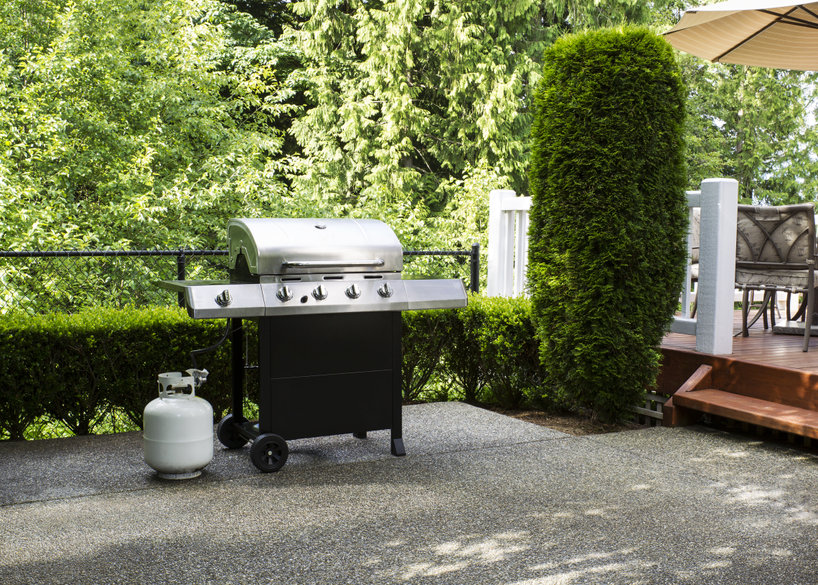
You don’t need to disconnect the tank from your propane grill after every cookout. Simply make sure to turn off propane tank after grilling.
As long as the valve is fully closed and the grill is stored according to the manufacturer’s instructions, leaving the tank connected is generally acceptable. This saves time and effort by avoiding the need to detach and reattach the hose connection before and after each use.
A closed valve stops the propane supply, but the hose and connection remain attached. Check them regularly for damage or leaks.
Before your next cookout, check for these signs:
- The hose looks worn, cracked, or damaged
- You smell gas near the tank or hose connections
- The connection feels loose when you touch it
If you notice any of these issues, turn off the tank valve and do not use the grill until the problem has been inspected and resolved.
How to Shut Down Your BBQ Safely
 Shutting down your grill properly takes only a few minutes and helps reduce gas leak and fire risks. When you turn off propane tank after grilling, you protect your equipment and your home.
Follow these steps every time you finish cooking.
Turn Off the Burners and Close the Tank Valve
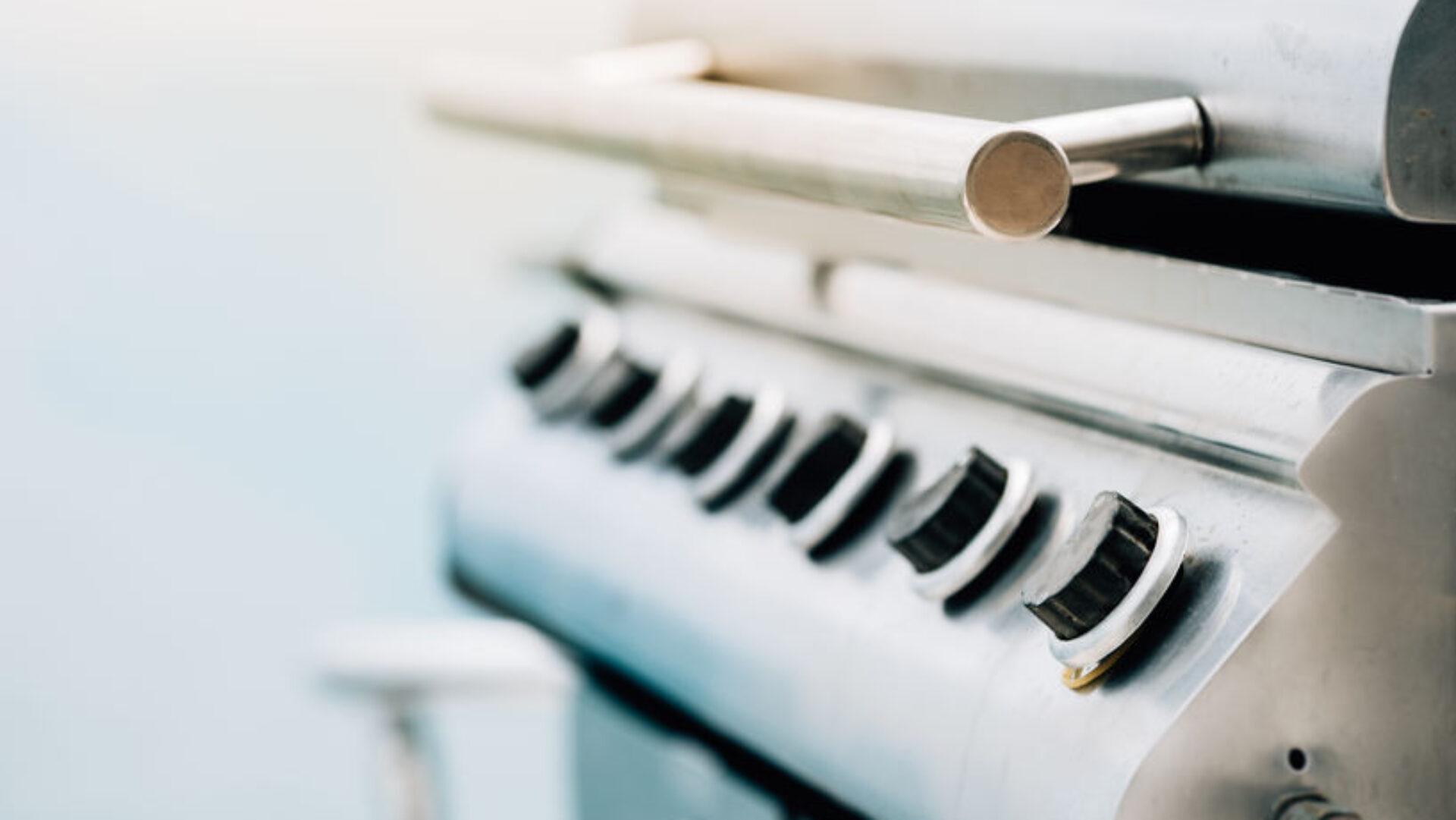
Start by turning off each burner knob on your grill. Next, close the propane tank valve by turning it clockwise until it stops.
This step matters. Manufacturers recommend that you turn off the propane tank after grilling, rather than only shutting off the burners.
Closing the valve stops the propane supply to the grill and helps protect you if a knob is accidentally turned on later. You do not need to disconnect the tank after each use. For regular grilling, closing the valve is usually enough.
Check That Every Control Knob Is Off
Once the tank valve is closed, check each burner knob again. Make sure every knob is in the “off” position, including any side burners.
A quick visual check takes only a few seconds and can catch a knob that did not fully turn off the first time. If you hear hissing near the burners or hose, leave the area and follow the steps for a suspected gas leak. Do not use the grill again until it has been inspected.
When to Disconnect the Propane Tank
 You don’t need to disconnect your tank every time you cook, but there are specific situations when disconnecting it is important.
Preparing for Extended Storage or Transport
Disconnect your propane tank if you plan to store your grill for an extended period, such as during colder months. Follow your grill manufacturer’s instructions for storage.
Before moving the tank, make sure the propane tank valve is fully closed. Follow the tank and grill manufacturers’ instructions for transporting and securing it.
You should also disconnect the tank if you’re moving your grill to a new location. Secure the tank upright during transport and protect the hose and fittings from damage.
Following Your Grill Manufacturer’s Instructions
Every propane grill comes with a manual that outlines safety steps. Some manufacturers recommend disconnecting the tank after each use, while others allow it to remain connected with the valve closed.
Check your owner’s manual for the instructions that apply to your model. Manufacturers test their grills and hoses under specific conditions, so their guidance is designed for that equipment.
If you’ve lost your manual, most manufacturers post digital copies on their websites. Following the instructions helps you avoid mistakes that could damage your grill or create a safety hazard.
What to Do If You Suspect a Gas Leak
 A gas leak is a serious safety hazard, so learn to recognize the warning signs and take the right steps. Acting quickly and staying calm can help reduce the risk of injury, fire, or an explosion.
Recognize Gas Odors, Hissing, and Damaged Hoses
Propane is naturally odorless, but an odorant is added to give it a strong smell often described as rotten eggs. This helps you detect a leak.
You should also listen for a hissing sound near the tank or hose, which may mean gas is escaping.
Check your equipment for other warning signs too:
- Cracks or wear on the hose
- Rust, dents, or bulges on the tank
- A propane tank that runs out of fuel faster than normal
You can test for leaks by applying a soap-and-water solution to the hose and connections. If bubbles form, gas is escaping.
Shut Off the Supply If Safe and Leave the Area
If you smell gas or hear hissing, turn off the propane tank valve right away, but only if you can do so without putting yourself at risk. Do not try to move the tank or disconnect it from the grill.
Once the valve is off, move away from the grill and get to a safe distance. Do not use light switches, phones, or anything else that could create a spark near the area.
From a safe location, call your local fire department or gas company for help. Do not turn the grill back on or try to fix the leak yourself. Have a qualified technician inspect the grill before you use it again.
Reconnect Safely Before Your Next Cookout
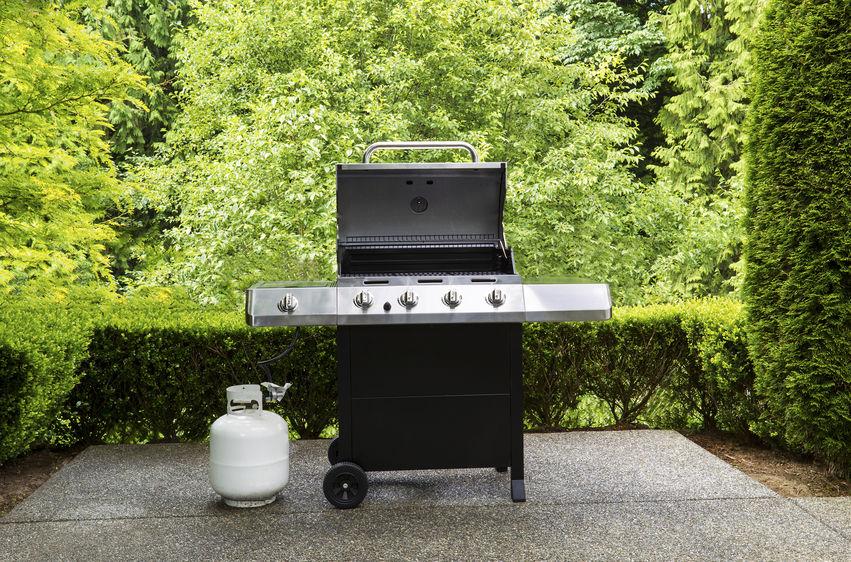 If you disconnected your propane tank, reconnecting it takes only a few minutes. Check the fittings and open the tank valve according to the manufacturer’s instructions to help prevent leaks and reduced gas flow.
Inspect Fittings and Test Connections With Soapy Water
Before lighting your grill, inspect the hose and regulator for cracks, soft spots, or wear. Replace damaged parts rather than reusing them.
Once everything looks fine, reconnect the regulator to the tank valve according to the manufacturer’s instructions. Some connectors click into place.
Next, test for leaks with a soapy water solution. Apply it to the connection points, then slowly open the tank valve.
If bubbles form, close the tank valve. Do not use the grill; follow the manufacturer’s instructions or contact a qualified technician to repair or replace the faulty part.
Open the Tank Valve Slowly to Help Avoid Reduced Gas Flow
When opening the tank valve, turn it slowly. Opening it too quickly can trigger the grill’s excess-flow safety device, which restricts gas flow if it detects a sudden surge.
Reduced gas flow can make the burners burn weakly or unevenly. If this happens, turn the tank valve fully off, wait about 30 seconds, then open it slowly again.
Give the regulator a moment to adjust before you turn on the burner knobs. This helps gas flow steadily when you start cooking.
Store the Grill and Tank Properly
 Where and how you store your grill and propane tank matters as much as turning off the gas. Proper storage helps protect the tank from damage and reduce the risk of a gas leak.
Keep Propane Tanks Upright and Outdoors
Always store your propane tank upright, never on its side. Propane tanks are designed to release gas safely through the valve when upright; a tank on its side may release liquid propane instead of vapor.
Keep the tank outdoors in a well-ventilated spot. Storing propane tanks upright in a ventilated area away from direct sunlight helps protect them from heat and damage.
Avoid storing your tank in a garage, basement, or shed. Enclosed spaces can trap leaking gas instead of allowing it to disperse.
Keep tanks away from heat sources, including prolonged direct sunlight in hot weather. High temperatures can raise the pressure inside the tank.
Protect Hoses and Connections Between Uses
Check the hose and connections on your propane grill each time you store it. Cracks, cuts, or soft spots in a hose can cause a gas leak, even when the tank valve is turned off.
Cover your grill when it’s not in use. A grill cover shields the hose and fittings from rain, snow, and sun, helping them last longer.
Watch for pests near your grill’s connections. Rodents and other wildlife can chew through gas hoses. If a hose connected to a fuel source is damaged, gas can leak.
Before each use, visually inspect the hose and tighten any loose fittings by hand.
FAQ: Should You Disconnect the Gas from Your BBQ After Cooking?
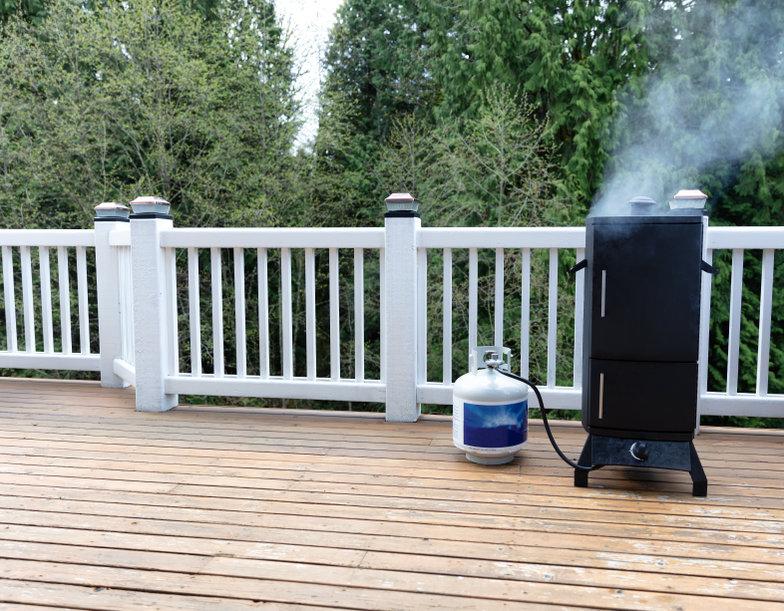 You should turn off the gas supply after cooking, but you do not normally need to disconnect the propane cylinder or gas hose after every use. For a propane grill, turn off the burners first, then close the valve on the propane cylinder.
Should You Turn Off the Grill or the Gas First?
After cooking, turn off the grill burners and then close the propane cylinder valve. This shuts off the appliance and gas supply, helping prevent gas from continuing to flow through the system.
Should You Disconnect the Propane Tank After Every Use?
Usually, no. If the grill and propane cylinder are properly connected and stored outdoors according to the manufacturer’s instructions, there is generally no need to disconnect the cylinder after each cooking session.
When Should You Disconnect a Propane Tank From a Grill?
Disconnect the propane cylinder when storing the grill for an extended period, transporting it, replacing the cylinder, or performing maintenance, following the manufacturer’s instructions. The cylinder should be stored outdoors in an appropriate, well-ventilated location away from ignition sources.
What Should You Do If You Smell Gas After Grilling?
If you smell gas, do not ignite the grill or operate electrical switches nearby. Turn off the gas supply if it is safe to do so, move away from the area, and follow the manufacturer’s instructions or contact the appropriate gas supplier or emergency service if the leak cannot be safely controlled.