
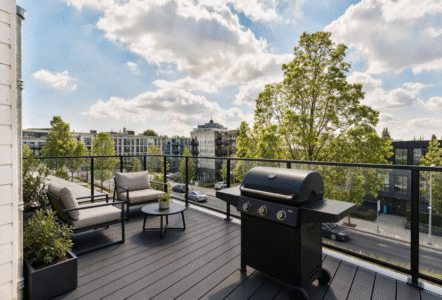
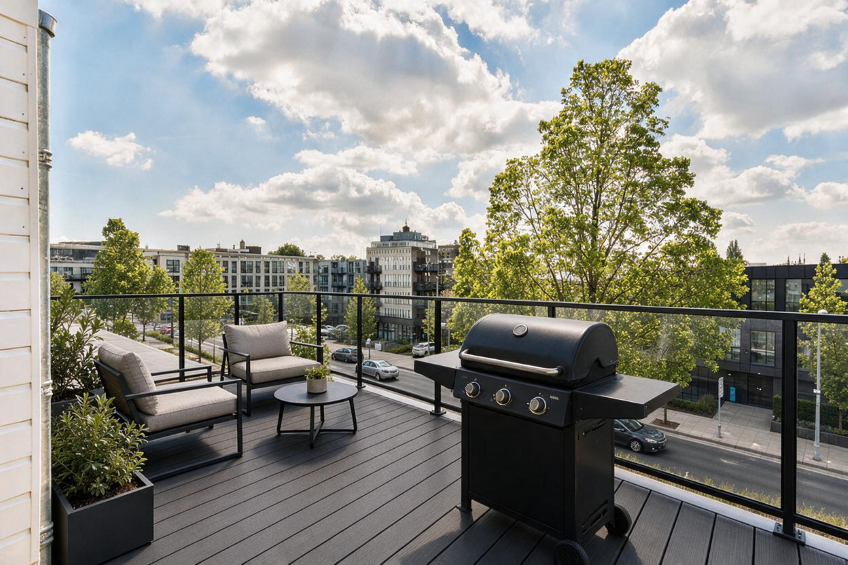
 Summer cookouts sound great until you realize your grill has to live on a balcony. Many apartment and condo dwellers want to know if grilling on a balcony is safe or poses a fire risk.
Balcony grilling can be dangerous and is often restricted or banned, especially in multi-family buildings, because fire codes treat balconies as high-risk spaces for open flames near combustible structures. Whether it is allowed depends on your local fire code, building type, and whether your HOA or landlord has stricter rules. Before using a grill, check what is permitted where you live.
This guide explains the risks of balcony grilling, what fire codes may require, and which grills, if any, you can safely use on your balcony.
Check Whether Balcony Grilling Is Allowed
 Before using a grill on your balcony, check three separate sets of rules: your local fire code, your building’s policies, and the requirements for your grill type. Municipal building regulations can also dictate whether outdoor cooking is permissible on upper floors.
Each set of rules can impose different restrictions on grilling on balconies, so checking only one isn’t enough.
Review Local Fire Codes and Required Clearances
Your local fire code is the first place to check before using a grill on a balcony. Fire regulations can vary by state, municipality, building type, and whether the property is governed by additional building or housing rules. The National Fire Protection Association (NFPA) publishes NFPA 1, while the International Code Council (ICC) publishes the International Fire Code (IFC), both of which are used as the basis for fire regulations in many jurisdictions.
Under provisions found in NFPA 1, fuel-fired grills using solid, gas, or liquid fuel are generally prohibited on balconies of buildings other than one- and two-family dwellings and within 10 feet of a structure. This can affect apartments, condominiums, and other multi-family buildings.
Sprinkler protection can also be relevant to balcony fire-safety requirements, but the presence of sprinklers does not automatically mean that a gas or charcoal grill is permitted. Sprinkler requirements for balconies are addressed separately in standards such as NFPA 13 and the International Building Code, while the rules governing whether a grill may actually be used depend on the applicable fire code and local amendments.
Single-family homes and two-family dwellings may have different requirements, but you should still check your local regulations and any property-specific restrictions. Where permitted, keeping a grill well away from the house, railings, siding, and other combustible materials is an important safety precaution. The NFPA guidance on grill safety is also useful when deciding where to position an outdoor grill.
Important change: I would not say “if the balcony has sprinklers, open-flame grilling may be permitted” as a blanket statement. The authority sources support sprinkler protection as a separate fire-safety requirement, but they don’t establish a universal sprinkler-based exception to the grill prohibition. NFPA.
Check Your Lease, HOA Rules, and Building Policies
Even if your local fire code allows balcony grilling, your lease or HOA agreement may prohibit it. These rules can be stricter than the law, and you’re bound by them as part of your housing agreement.
Read your lease or proprietary lease documents directly. Management policies often reflect strict building regulations aimed at preventing structural fires. Co-ops, condos, and HOAs set their own rules, including whether grilling on balconies is prohibited or allowed with conditions.
Some buildings prohibit storing a grill on your balcony, even if you don’t plan to use it there. Others allow certain grill types but ban others.
If your lease is unclear, ask your property manager or HOA board directly. Getting an answer in writing can help protect you from fines or lease violations.
Confirm Which Grill Types Are Permitted
The type of grill you own matters as much as where you plan to use it. Charcoal and gas grills face the tightest restrictions because open flames and hot coals create greater fire risks.
Electric grills may be allowed under more circumstances. Some codes allow listed electric grills on balconies, particularly in buildings with full sprinkler coverage or non-combustible construction. Check your local rules and building policies.
Small propane devices may also qualify for an exception if the tank holds 2.5 pounds of water capacity or less, roughly the capacity of a 1-pound propane cylinder.
Pellet grills may fall under the same restrictions as charcoal and gas grills because they produce an open flame. Check the grill’s listing, manufacturer instructions, local code, and building policies before using it.
Understand the Main Safety Risks
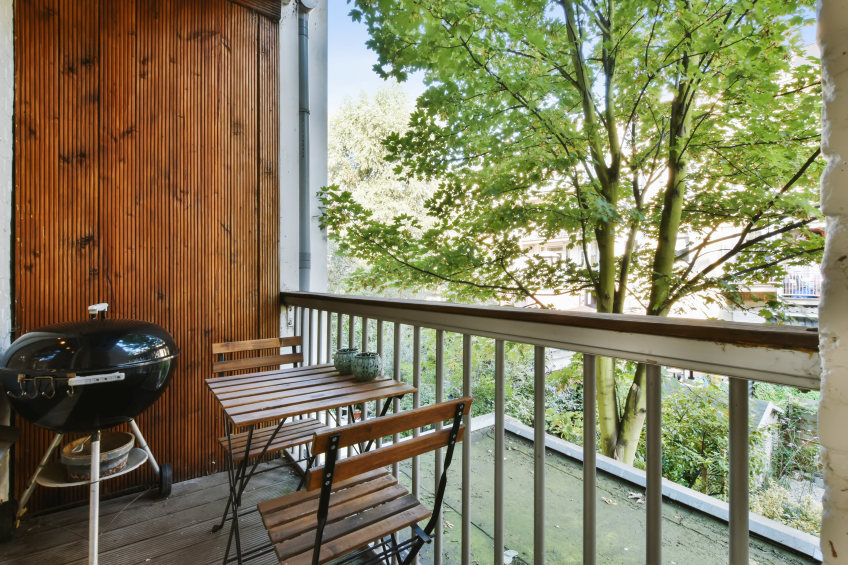 Grilling on a balcony brings fire, smoke, and fuel close to your home and neighbors. Safety concerns surrounding grilling on balconies typically involve limited escape routes and nearby combustible siding.
Understanding these risks can help you make safer choices about where and how you cook.
Fire Spread and Grease Fires
Balconies often have combustible materials nearby. Wood railings, dry plants, and stored items can catch fire if flames or sparks reach them.
Grease fires are a common grill hazard. Fat can build up over time and ignite, especially on a hot grill surface.
A grease fire can spread quickly in a confined balcony space. Flames can reach building siding, railings, or furniture within seconds, leaving little room to escape.
Keep your grill clean and clear of flammable materials. These steps reduce the risk of a flare-up becoming a larger fire.
Carbon Monoxide and Poor Ventilation
Carbon monoxide poisoning is a hidden danger when you grill in tight or enclosed spaces. Charcoal and gas grills both produce carbon monoxide as they burn fuel.
On an open balcony, carbon monoxide usually disperses into the air. But enclosed or screened-in porches can trap smoke and gas, increasing the risk of breathing in dangerous fumes.
Carbon monoxide has no smell or color, so you can’t detect it without a monitor. Symptoms such as headache, dizziness, or nausea can appear before you realize there’s a problem.
Never grill inside a fully enclosed balcony or porch, even with windows nearby. Outdoor airflow does not make enclosed-space grilling safe.
Gas Leaks, Smoke, and Neighboring Units
Gas leaks from propane tanks or hose connections are a serious fire hazard on any balcony. A small leak near an open flame can cause a fast, dangerous fire.
Check hoses and connections before each use. Apply soapy water to the connection points; bubbles indicate a leak.
Smoke from your grill can drift into neighboring units and affect shared walls, windows, and outdoor furniture.
Smoke may lead to complaints, disputes, or property damage claims from neighbors. Positioning your grill carefully and controlling flare-ups can help reduce the impact on nearby residents.
Compare Electric, Gas, and Charcoal Grills
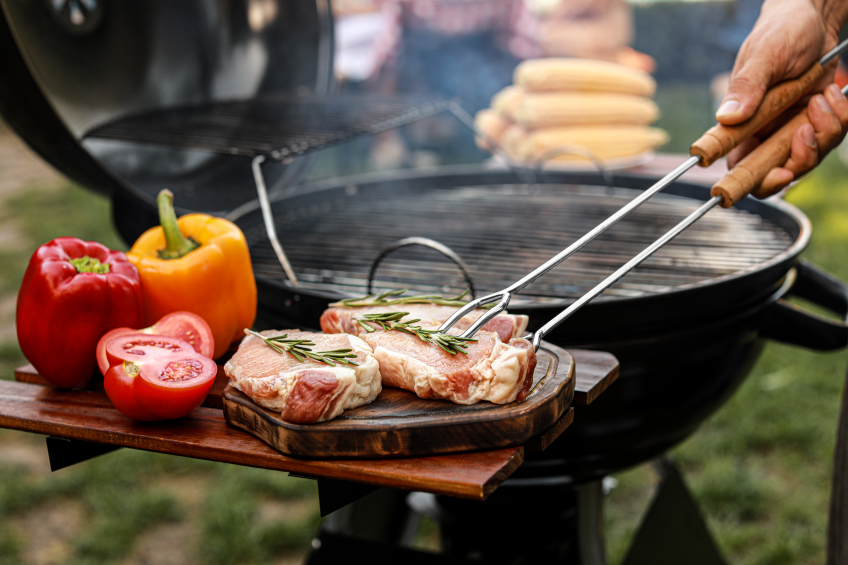 The type of grill you choose can affect its suitability for balcony use. Electric models avoid propane and charcoal, while gas and charcoal grills involve additional fire and fuel-related considerations.
Electric Grills: No Propane or Charcoal, but Still Produce High Heat
An electric grill can be a practical option for balcony grilling because it does not require propane tanks, gas lines, or charcoal. However, an electric grill still produces high cooking temperatures and should be used only where permitted by your building rules, lease, and local fire regulations.
Electric grills can also reduce some of the risks associated with fuel storage and open flames, but they are not automatically safe or legal on every balcony. Check the manufacturer’s instructions and applicable local regulations before using one outdoors.
Electric grills still require care. The heating element gets very hot, and the surface can burn skin or ignite nearby fabric or paper. Keep the cord away from water and foot traffic. Place the grill on a flat, stable surface so it doesn’t tip over while in use.
Electric grills may produce less smoke than gas or charcoal models, making them a better fit when neighbors are close by, as noted in Char-Broil’s comparison of grill types.
Gas Grills: Flame and Propane Precautions
Gas grills run on propane or natural gas, so they use an open flame and a fuel supply. This combination requires more caution than electric models.
Check the hose and gas connections for leaks before using a propane grill, particularly when connecting a new cylinder or after the grill has been unused for some time. The National Fire Protection Association, (NFPA) recommends applying a light soap-and-water solution to the hose and connections. If bubbles appear, they can indicate a propane leak. Turn off the gas and have the grill serviced before using it again.
Clearance requirements are also important. NFPA 1 Section 10.10.6.1 states that, for buildings other than one- and two-family dwellings, fuel-fired grills using solid, gas, or liquid fuel are not to be used on balconies, under overhanging portions, or within 10 feet of a structure, subject to the applicable code provisions and local adoption.
Propane cylinders should be kept upright and outdoors in a secure, well-ventilated location, away from excessive heat. AmeriGas specifically advises against storing propane cylinders near high temperatures and recommends storing them vertically rather than in enclosed areas such as garages or sheds. A spare cylinder should not be stored indoors or in another location where it could be exposed to excessive heat.
Charcoal Grills: Embers, Smoke, and Ash Disposal
Charcoal grills carry the highest fire risk of the three types. Open flames, hot coals, and heavy smoke make them a common target for building restrictions.
Many properties restrict or prohibit charcoal grills on balconies, even where gas or electric models are allowed. Charcoal grills are not banned everywhere, but gas and electric options are generally safer choices for shared living spaces.
Ash disposal requires extra care. Coals can stay hot for hours after cooking, so let them cool completely before disposing of them.
Use a metal container with a lid for ash, never a plastic bag or bin. Charcoal smoke can also drift into neighboring units and prompt complaints, even where charcoal grilling is allowed.
Set Up and Use an Approved Grill Safely
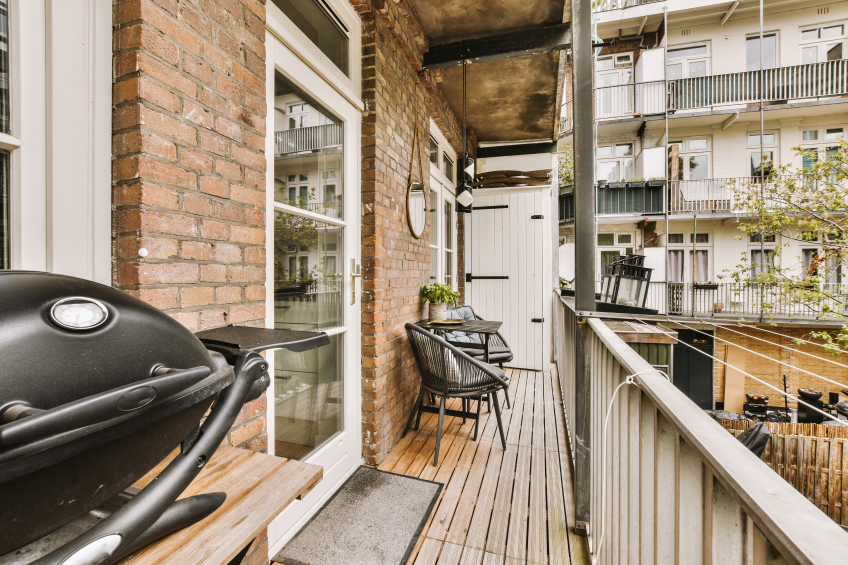 Once you confirm that balcony grilling is allowed, setup matters as much as the grill itself. Proper spacing, a stable base, and attentive cooking habits can reduce risks from grease fires and combustible materials.
Follow Required Clearances and Avoid Overhangs
Clearance requirements vary by fire code, grill type, and building policy. Keep the area around your grill clear and follow the manufacturer’s instructions and any applicable local requirements.
Check what is above your balcony too. Overhangs, awnings, and the floor of the balcony above you can be hazards if they are too close to rising heat.
A grill placed under a low ceiling or near a roofline can scorch materials even without direct flame contact. Keep the grill in an open-air spot, away from walls, railings, and doorways that lead inside.
In a multi-unit building, proper clearance helps protect your neighbors as well as you.
Keep the Grill Stable and Combustibles Away
A wobbly or poorly placed grill can cause accidents. Set it on a flat, level surface so it cannot tip during use.
Check that your balcony floor can support the grill’s weight, along with any propane tank or bag of charcoal.
Keep the grill away from:
- Patio furniture
- Curtains or outdoor fabric
- Potted plants with dry leaves
- Storage bins or bags
Store flammable materials, such as lighter fluid, away from the grill once it is lit. Never add lighter fluid to a burning fire.
Stay Present, Control Grease, and Clean After Use
Never leave a lit grill unattended, even briefly. Grease buildup can contribute to balcony fires, so trim excess fat from meat before cooking and use a drip tray to catch runoff.
Use long-handled tools to manage flare-ups while keeping a safe distance from the heat. Keep a suitable fire extinguisher within reach in case a grease fire starts.
After cooking, let the grill cool fully before moving or covering it. Clean the grates and drip tray after each use to prevent grease buildup.
Prepare for Leaks and Fires
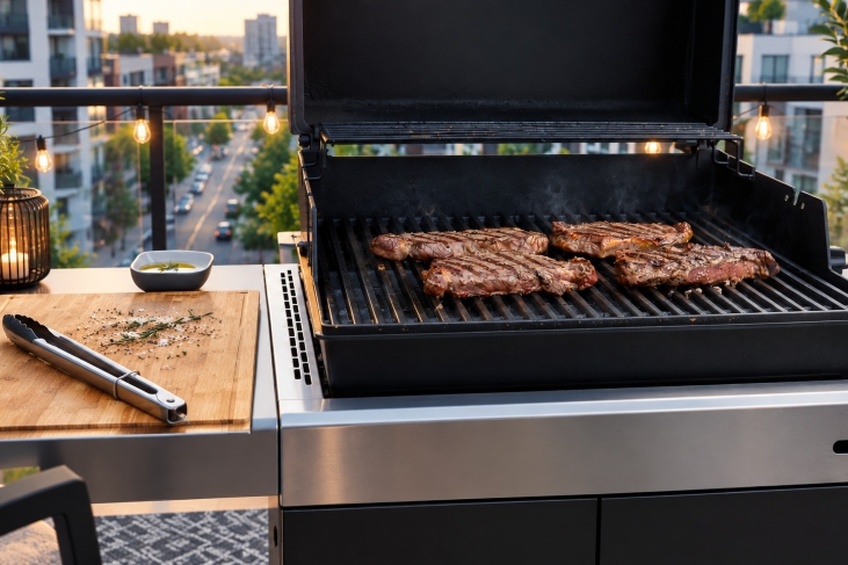 Grilling on a balcony comes with risks, including gas leaks, grease fires, and property damage. Having a plan before you start cooking can help you respond quickly if a problem occurs.
Keep a Suitable Fire Extinguisher Accessible
Keep a fire extinguisher within arm’s reach whenever you grill. Choose a Class B or ABC-rated extinguisher, which is suitable for grease and flammable-gas fires.
Check the pressure gauge regularly and follow the manufacturer’s instructions for inspection and replacement. An empty or expired extinguisher may not work in an emergency.
Store it somewhere easy to reach, not tucked away in a closet. If you store propane tanks nearby, keep the extinguisher accessible and away from the tanks. Cooking equipment is a common source of balcony fires, often involving grease drippings.
Respond to a Grease Fire Without Using Water
Never pour water on a grease fire. Water can make burning grease splatter and spread the flames.
If a grease fire starts, turn off the gas supply if you can do so safely. Cover small flames with a metal lid or baking sheet to cut off the oxygen supply.
Use your Class B or ABC fire extinguisher if the fire does not go out right away and you can do so safely. Never try to carry a flaming grill, since this can cause burns or spread the fire.
Evacuate and Call Emergency Services When Necessary
If a fire grows beyond a small, contained flame, leave the area immediately. Get everyone, including children and pets, away from the balcony and to safety inside the building.
Call emergency services as soon as you are in a safe location. Do not go back for belongings or try to fight a large fire yourself.
Gas leaks are especially dangerous because they can lead to fires or explosions. If you smell gas or hear a hissing sound near your grill, turn off the gas valve only if you can do so safely, then move away and call emergency services.
Choose an Alternative When the Balcony Is Unsuitable
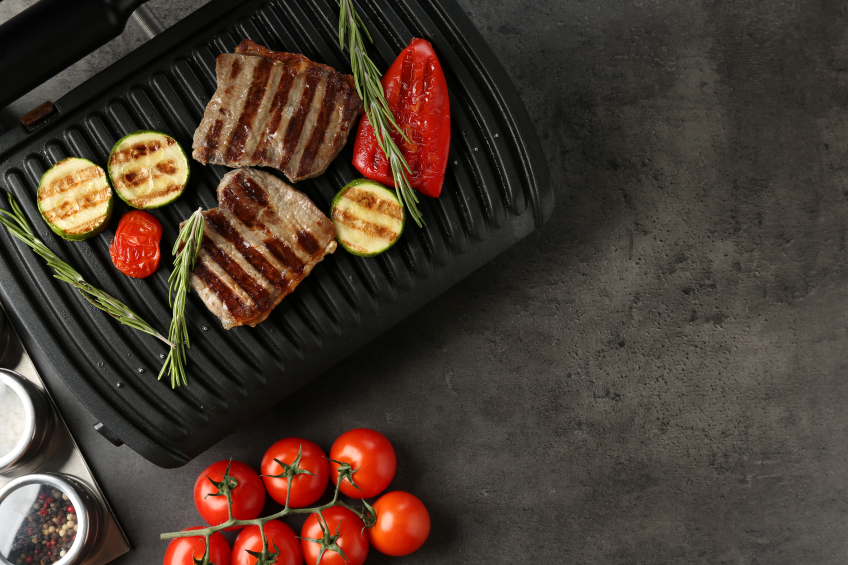 If your balcony is too small, too close to other units, or subject to building rules that prohibit grilling, consider other options. You can use a shared grill area or switch to an indoor appliance designed to provide a grilled flavor without an outdoor flame.
Use Designated Community Grills
Many apartment complexes have a shared grill area in a courtyard, pool deck, or common space. These areas may offer more room than a balcony, but check that they are approved for grilling and follow posted safety rules.
Check with your property manager to find out if your building has a shared grill. Ask about hours, reservation rules, and cleanup expectations.
Community grills can reduce the chance of smoke drifting into neighbors’ windows. You can enjoy charcoal or propane grilling in a designated space. Some communities allow residents to use a nearby park or outdoor space if the property itself does not have a grill area.
Bring your own tools, such as tongs and a meat thermometer, since shared grills rarely come stocked with extras.
Consider Indoor Appliances Designed for Indoor Use
If grilling on a balcony is not allowed, an indoor smokeless grill may be a suitable alternative. These countertop appliances use a flat or ridged cooking surface and a fan to capture smoke, which can help reduce smoke but does not guarantee that a fire alarm will not activate.
When choosing an indoor electric grill, look for adjustable temperature controls and a nonstick cooking surface for easier cooking and cleanup. Always follow the manufacturer’s instructions and check any applicable local fire-safety requirements before using an electric grill indoors.
Even a grill designed for indoor use can produce heat, smoke, and grease vapors. Keep it on a stable, heat-resistant surface and provide adequate ventilation while cooking.
If you need an alternative to outdoor grilling, the Ninja Sizzle Smokeless Indoor Grill & Griddle is worth considering. Its countertop design combines a grill surface with a griddle, giving you a compact electric appliance for cooking indoors without propane or charcoal.
The grill is designed with smokeless cooking in mind and offers adjustable temperature control, making it suitable for foods such as burgers, steaks, chicken and vegetables. However, “smokeless” does not mean completely smoke-free, so it is still important to follow the manufacturer’s instructions and use the appliance in a properly ventilated area.
If your building prohibits balcony grilling, a countertop electric grill such as the Ninja Sizzle can provide a practical alternative. Always check the manufacturer’s instructions and any applicable fire-safety requirements before using an electric grill indoors.
A cast-iron grill pan on your stovetop is another option for indoor-style grilling. It will not replicate charcoal flavor, but its ridged surface can produce attractive grill marks and a good sear.
The 12-Inch Square Grill Pan Large Pre-Seasoned Cast Iron features a pre-seasoned cast iron surface that retains heat well and helps excess fat drain away from the food. Its square design provides a generous cooking area while remaining compact enough for most stovetops.
FAQ: Is It Safe to BBQ on a Balcony?
 BBQing on a balcony is not automatically safe or permitted. Gas and charcoal grills create fire, heat, and smoke hazards, and many apartment buildings and local fire codes prohibit them on balconies. Always check your building rules, lease, insurance requirements, and local regulations before using a grill.
Can You Use a Charcoal Grill on a Balcony?
A charcoal grill is generally a poor choice for a balcony because it produces open flames, hot embers, smoke, and carbon monoxide. The CPSC recommends using charcoal grills only outdoors in the open air, and some fire codes prohibit solid-fuel grills on balconies altogether.
Can You Use a Propane Grill on a Balcony?
Propane grills can present additional fire risks because they use a pressurized, highly flammable fuel. Whether one is permitted depends on local regulations and the building, but you should never use a propane grill where it is prohibited or where the grill is too close to combustible walls, railings, furnishings, or overhead structures.
Is an Electric Grill Safer for a Balcony?
An electric grill specifically designed and approved for balcony or outdoor use may be a safer option than charcoal or propane because it does not burn solid or gaseous fuel. However, electric grills can still become extremely hot and cause grease fires, so they must be used according to the manufacturer’s instructions and any applicable building or fire regulations.
How Far Should a Grill Be From a Balcony Railing?
Do not assume that a particular distance automatically makes balcony grilling safe or legal. Keep the grill away from combustible materials, walls, railings, furniture, and overhead structures, and follow the clearance specified by the grill manufacturer and local fire code. NFPA guidance recommends keeping grills well away from structures and anything that can burn.
What Is the Safest Way to BBQ on a Balcony?
If balcony grilling is permitted, use only a grill that is specifically suitable for the location, place it on a stable, non-combustible surface, keep combustible items away, and never leave it unattended. For charcoal grills, ensure the coals are completely extinguished and cool before disposal; for gas grills, inspect the hose and connections for leaks and follow the manufacturer’s safety instructions.
What Should You Use Instead of a Charcoal or Gas Grill on a Balcony?
If your building or local regulations prohibit charcoal and gas grills, a listed electric grill designed for outdoor use may be an alternative where permitted. Always verify that the specific model is approved for balcony use rather than assuming that every electric grill is suitable.