

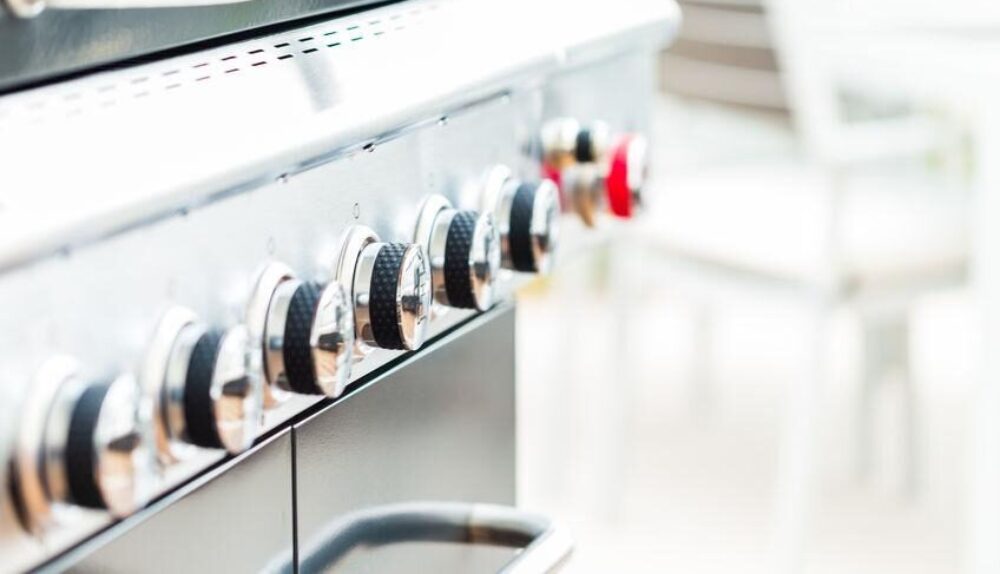
Natural gas grills command premium prices in the outdoor cooking market, often leaving consumers wondering about the significant cost difference compared to their propane counterparts.
Natural gas grills are expensive primarily due to their premium construction materials like stainless steel and cast iron, advanced technological features, strict safety compliance requirements, and the specialized infrastructure needed for installation and operation.
These factors combine to create products that represent substantial investments for outdoor cooking enthusiasts.
The higher price tags reflect genuine differences in manufacturing costs, engineering complexity, and long-term performance capabilities.
Natural gas grills typically incorporate superior materials designed to withstand constant gas line pressure and outdoor elements, while advanced features like precise temperature controls and integrated safety systems add to production expenses.
Understanding the cost factors behind natural gas grills helps consumers evaluate whether the investment aligns with their cooking needs, usage patterns, and budget considerations.
This analysis will examine the specific reasons driving these higher costs, compare them against propane alternatives, and explore the long-term value proposition that natural gas grills offer to serious grilling enthusiasts.
Core Reasons Why Natural Gas Grills Are Expensive

Natural gas grills command higher prices due to professional installation requirements, premium construction materials like stainless steel, and sophisticated features such as infrared burners and integrated technology systems.
Installation Costs for Natural Gas Grills
Professional installation represents a significant expense for natural gas grill owners.
Most homes lack existing gas lines in outdoor cooking areas, requiring licensed technicians to run new connections from the main gas supply.
The installation process typically costs between $200 to $800 depending on distance and complexity.
Homeowners must hire certified gas fitters who can safely connect the grill to existing natural gas infrastructure.
Installation requirements include:
- Gas line extension to outdoor cooking area
- Proper pressure regulation equipment
- Safety shutoff valves and leak detection
- Local permit and inspection compliance
Geographic factors affect installation costs significantly.
Homes with gas lines located far from desired grill placement require more extensive work and higher labor expenses.
Unlike propane grills that connect directly to portable tanks, natural gas grills need permanent infrastructure modifications.
This one-time investment adds substantial upfront costs that propane users avoid entirely.
Cost of High-Quality Materials and Construction
Natural gas grills utilize premium materials to withstand continuous gas supply pressures and outdoor conditions.
Manufacturers prioritize stainless steel construction for durability and corrosion resistance.
Premium materials commonly used:
- 304 stainless steel for cooking grates and exterior panels
- Cast iron burners for even heat distribution
- Heavy-duty aluminum for lightweight yet strong components
- Brass fittings for gas connections and valves
The manufacturing process requires precise engineering to meet safety standards for permanent gas connections.
These grills undergo more rigorous testing than propane models.
Construction quality directly impacts pricing.
Thicker gauge metals, reinforced joints, and professional-grade components increase material costs substantially.
Weather resistance becomes critical since natural gas grills typically remain stationary outdoors year-round.
Superior materials prevent rust, warping, and deterioration from constant exposure.
Advanced Grill Features and Technology
Natural gas grills often include sophisticated features that justify higher price points.
Manufacturers target serious grilling enthusiasts willing to pay for enhanced functionality.
Common premium features include:
- Infrared burners for high-temperature searing
- Rotisserie kits with motorized spits
- Side burners for sauce preparation
- Digital temperature controls and monitoring systems
These grill features require additional engineering and manufacturing complexity.
Infrared burners use specialized ceramic tiles or metal screens that cost more than standard gas burners.
Smart technology integration adds significant value.
WiFi connectivity, smartphone apps, and automated temperature controls appeal to tech-savvy consumers.
Multiple cooking zones allow simultaneous preparation at different temperatures.
This versatility requires additional burner systems, control valves, and heat management components that increase overall production costs.
Natural Gas vs. Propane Grills: A Cost Comparison
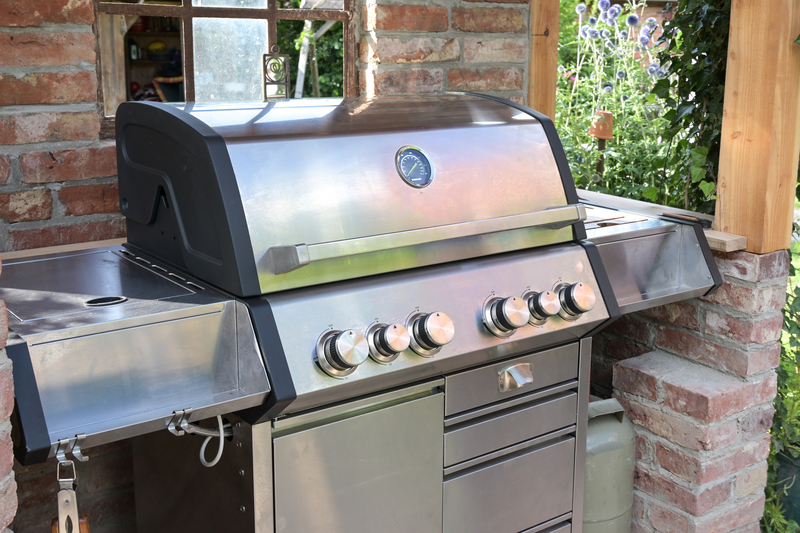
Natural gas grills typically cost $200-500 more upfront than comparable propane models, while fuel costs favor natural gas at roughly half the price per BTU.
Installation requirements and infrastructure differences create the primary expense variations between these two fuel types.
Differences in Fuel Source and Supply
Natural gas connects directly to a home’s existing gas line through permanent plumbing installation.
This connection requires professional installation that costs between $300-800 depending on distance from the gas meter and local labor rates.
Propane grills use portable 20-pound tanks that connect via standard fittings.
Tank exchanges cost $20-25 per refill at most retailers and gas stations.
The delivery method creates distinct cost structures.
Natural gas provides unlimited fuel supply at a fixed monthly rate based on consumption.
Propane requires upfront tank purchases and regular refills based on usage patterns.
Supply Infrastructure Costs:
- Natural gas: Professional installation, permits, gas line extensions
- Propane: Tank purchases ($50-80 new), storage space, transportation
Natural gas availability depends on municipal infrastructure.
Rural areas often lack natural gas service, making propane the only viable option for gas grills in these locations.
Comparing Upfront and Long-Term Expenses
Propane grills start at lower price points, with basic models available for $200-400.
Natural gas grills begin around $400-600 for comparable features and cooking capacity.
Installation costs significantly impact natural gas grill expenses.
Professional gas line connections add $300-800 to the total investment, while propane grills require only basic assembly.
Long-term fuel costs favor natural gas significantly.
Natural gas costs approximately $1.00-1.50 per therm, while propane runs $2.50-3.50 per gallon equivalent.
Annual Fuel Cost Comparison (based on average household grilling):
- Natural gas: $50-75 annually
- Propane: $100-150 annually
The breakeven point typically occurs within 2-3 years of regular use.
Frequent grillers recover natural gas installation costs faster through lower fuel expenses.
Fuel Efficiency of Natural Gas and Propane
Propane burns hotter than natural gas, producing approximately 2,500 BTUs per cubic foot compared to natural gas at 1,000 BTUs per cubic foot.
This difference affects cooking performance and fuel consumption rates.
Natural gas grills require larger burners and gas lines to achieve equivalent heat output.
The lower energy density means longer preheating times and higher volume consumption during cooking.
Energy Content Comparison:
- Propane: 91,500 BTUs per gallon
- Natural gas: 103,700 BTUs per therm
Despite lower energy density, natural gas costs less per BTU delivered.
The consistent supply pressure from municipal lines provides stable flame control throughout cooking sessions.
Propane tank pressure decreases as fuel depletes, potentially affecting cooking performance near empty.
Natural gas maintains consistent pressure regardless of consumption duration.
Additional Factors Affecting Natural Gas Grill Pricing
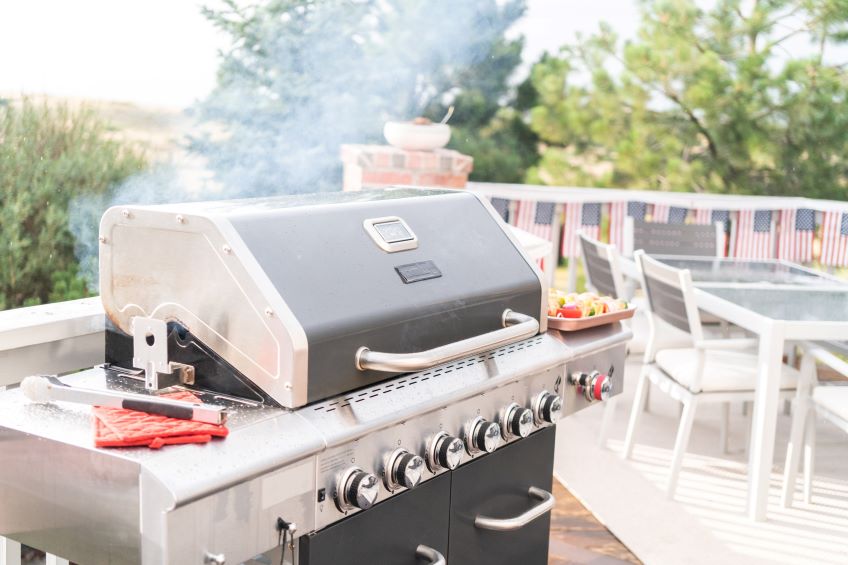
Beyond installation and fuel differences, geographic location and grill specifications significantly impact natural gas grill costs.
These variables can add hundreds or thousands of dollars to the final purchase price.
Regional Availability and Natural Gas Line Access
Natural gas availability varies dramatically across different regions and neighborhoods.
Urban areas typically have established natural gas infrastructure, while rural locations may lack access entirely.
Properties without existing natural gas service require new line installation from the street.
This process involves obtaining permits, excavation work, and professional installation that can cost $500 to $2,000 depending on distance and terrain.
Even homes with natural gas service may need line extensions to reach outdoor grilling areas.
Running a new natural gas line from the house to a patio or deck requires trenching and professional gas line installation.
Local utility companies charge different connection fees and monthly service charges.
Some regions have higher natural gas costs due to supply and distribution factors.
Areas with limited natural gas infrastructure often see higher equipment prices due to reduced demand and fewer local dealers carrying natural gas models.
Brand, Model, and Size Considerations
Premium brands command higher prices for natural gas grills due to superior construction materials and advanced grill features.
Stainless steel components, multiple burners, and electronic ignition systems increase costs significantly.
Larger grills with more cooking space require additional burners and gas supply capacity.
Six-burner models cost substantially more than basic three-burner units due to increased materials and engineering complexity.
Built-in natural gas grills designed for outdoor kitchens carry premium pricing compared to freestanding models.
These units require specialized installation and often include additional features like side burners and storage compartments.
High-end models include features like rotisserie systems, smoker boxes, and integrated lighting that add to the base price.
Professional-grade grills with commercial-quality burners can exceed $5,000.
Entry-level natural gas grills start around $400, while premium models range from $1,500 to $8,000 depending on size and features.
Durability, Longevity, and Maintenance Costs
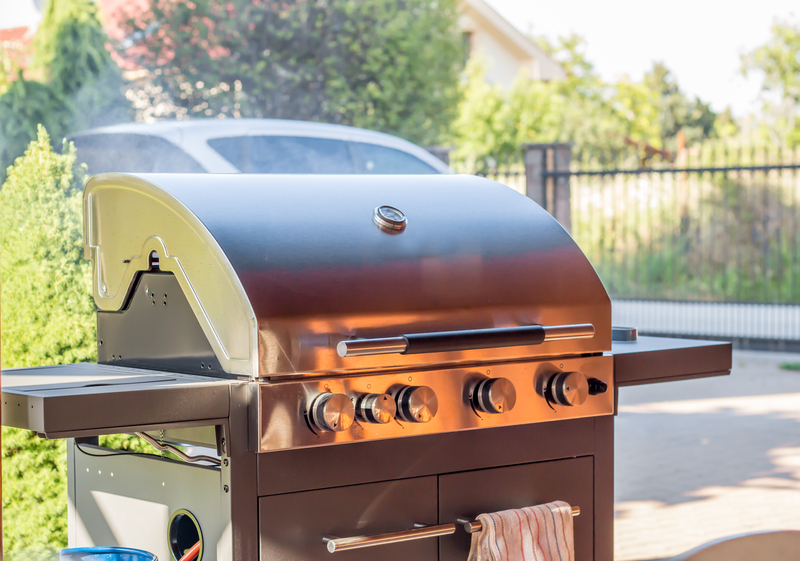
Natural gas grills command higher prices largely due to their superior construction materials and simplified maintenance requirements.
These grills typically last longer than propane alternatives while requiring fewer ongoing maintenance tasks.
Material Quality and Corrosion Resistance
Natural gas grills use premium materials that justify their elevated cost.
Manufacturers construct these grills with stainless steel, cast iron, and high-grade aluminum components.
Stainless steel provides exceptional resistance to rust and corrosion.
This material withstands extreme temperatures and harsh weather conditions without degrading.
Cast iron burners retain heat effectively and distribute it evenly across cooking surfaces.
The construction quality extends beyond surface materials.
Internal components receive the same attention to durability.
Gas lines, valves, and connections use materials rated for long-term natural gas exposure.
These premium materials resist warping under high heat.
They maintain structural integrity through repeated heating and cooling cycles.
The investment in quality materials translates to grills that function reliably for 10-15 years with proper care.
Weather resistance becomes particularly important for outdoor equipment.
High-grade materials prevent premature failure from exposure to rain, snow, and UV radiation.
Maintenance Requirements for Natural Gas Grills
Natural gas grills require less maintenance than other grill types, reducing long-term ownership costs.
The cleaner-burning fuel produces fewer residues that require cleaning.
Natural gas grills eliminate the need for fuel tank replacements or refills.
Users never run out of fuel mid-cooking session. This convenience factor reduces both hassle and ongoing expenses.
The burners in natural gas systems experience less buildup from fuel impurities.
Natural gas burns cleaner than propane, creating less carbon deposits.
This results in fewer burner cleanings and replacements over the grill’s lifetime.
Maintenance tasks focus primarily on cleaning cooking grates and grease management.
Users don’t need to handle heavy propane tanks or monitor fuel levels.
The permanent gas line connection eliminates tank-related maintenance issues.
Annual professional inspections ensure safe operation and optimal performance.
These inspections cost less than frequent propane tank exchanges for regular grill users.
Environmental and Safety Aspects Influencing Cost

Natural gas grills command higher prices partly due to their cleaner-burning properties and extensive safety features required by regulations.
These environmental benefits and safety systems add manufacturing costs that propane grills typically don’t require.
Cleaner-Burning Fuel and Environmental Impact
Natural gas burns significantly cleaner than propane, producing fewer greenhouse gas emissions per BTU of energy.
This cleaner combustion results in reduced carbon footprints for outdoor cooking enthusiasts.
The environmental advantages come with manufacturing costs.
Natural gas grill components must handle different fuel properties and combustion characteristics.
Engineers design these systems for optimal efficiency with natural gas’s specific heating properties.
Key Environmental Benefits:
- Lower carbon emissions per cooking session
- Reduced particulate matter production
- More complete fuel combustion
- Less environmental waste from disposable tanks
Manufacturers invest in research and development to maximize these environmental benefits.
This includes specialized burner designs and combustion systems that optimize natural gas burning efficiency.
The cleaner-burning fuel requires different materials and engineering approaches.
These specialized components increase production costs compared to standard propane grill manufacturing.
Safety Features and Compliance
Natural gas grills must meet stricter safety regulations than propane models due to their permanent gas line connections.
These compliance requirements drive up manufacturing and testing costs significantly.
Required Safety Systems:
- Automatic shut-off valves that stop gas flow during malfunctions
- Flame sensors that detect burner status
- Leak detection systems for gas line monitoring
- Pressure regulators for consistent gas flow
Each safety feature requires extensive testing and certification.
Manufacturers must prove these systems work reliably under various conditions and weather scenarios.
Professional installation requirements add indirect costs to natural gas grill ownership.
Licensed technicians must install gas line connections, ensuring proper safety compliance.
The certification process involves rigorous testing protocols.
These include pressure tests, leak detection validation, and flame failure safety verification.
Such comprehensive testing increases development and production expenses.
Natural gas’s lighter-than-air properties require different safety approaches than propane.
While this makes natural gas safer in some situations, it demands specialized safety engineering that increases costs.
Making an Informed Decision: Is a Natural Gas Grill Worth the Investment?
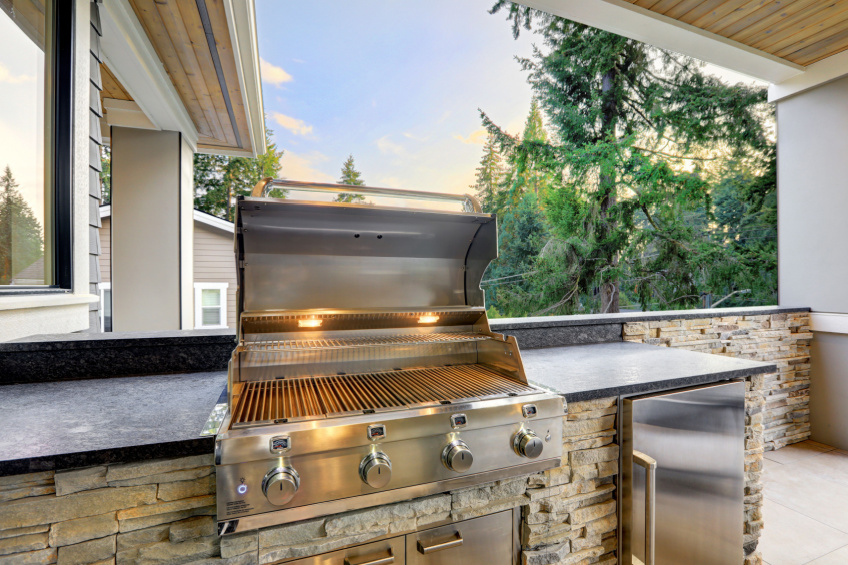
The decision to invest in a natural gas grill depends on specific circumstances and cooking habits.
Key factors include access to natural gas lines, frequency of grilling, and budget considerations for both initial costs and long-term savings.
When a Natural Gas Grill Is the Right Choice
Natural gas grills make the most sense for homeowners with existing gas lines or those willing to invest in professional installation.
Frequent grillers benefit most from the convenience and cost savings.
Ideal candidates include:
- Households that grill multiple times per week
- Homeowners with existing natural gas infrastructure
- Those prioritizing convenience over portability
The investment becomes worthwhile when installation costs can be recouped through fuel savings.
This typically occurs within 2-3 years for regular users.
Natural gas grills excel for stationary outdoor kitchens and permanent installations.
They eliminate the hassle of propane tank refills and provide unlimited fuel supply during cooking sessions.
Homeowners planning long-term residence benefit most from this investment.
The combination of convenience and operational savings justifies the higher upfront costs.
Evaluating Long-Term Value and Benefits
Natural gas grills offer superior fuel efficiency compared to propane alternatives.
The cost per BTU is typically 30-50% lower, creating substantial savings over time.
Financial considerations:
- Lower operating costs per grilling session
- Elimination of propane tank rental or purchase fees
- Reduced fuel waste from partially empty tanks
Modern grill features enhance the value proposition.
Many natural gas models include advanced temperature control systems, multiple cooking zones, and integrated accessories that improve cooking results.
The consistent fuel supply ensures reliable performance during extended cooking sessions.
Users never experience pressure drops or flame inconsistencies common with propane tanks.
Environmental benefits add value through reduced carbon footprint.
Natural gas burns cleaner than propane and eliminates the environmental impact of tank transportation and disposal.
Maintenance costs remain lower due to fewer fuel-related components requiring service.
The direct connection eliminates regulator and hose replacements needed with portable systems.
High-Performance Natural Gas Grills Worth Considering
The cost of a natural gas grill can vary significantly depending on the brand, size, build quality, and features.
Premium materials, advanced heating systems, and extra accessories often raise the price, but they also deliver superior durability, performance, and versatility—making them a worthwhile investment for anyone who takes outdoor cooking seriously.
Fortunately, the market is full of excellent natural gas grills, each offering its own unique strengths.
Whether you’re looking for professional-grade performance or versatile features for family cookouts, there’s a model to fit your needs.
Here are some standout options:
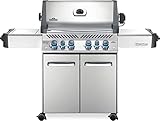 The Napoleon Prestige 500 is a versatile powerhouse built for backyard chefs who demand variety.
With four stainless steel main burners and a rear infrared burner, it delivers precise heat control for everything from slow-roasted meats to high-heat searing.
The integrated rotisserie kit allows you to prepare restaurant-style roasts at home, while its sleek design, durable construction, and signature wave cooking grids ensure even heating and professional results every time.
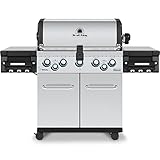 Built with durability and performance in mind, the Broil King Regal S590 Pro features five powerful burners paired with a premium stainless steel cooking system that guarantees consistent heat distribution across the entire grill surface.
This model is designed for flexibility, offering both a rotisserie burner and a convenient side burner for preparing sauces or side dishes while you grill.
Rugged yet refined, it’s a workhorse that balances everyday practicality with impressive grilling capabilities.
 A premium option for serious grill masters, the Blaze Professional LUX 34-Inch is engineered for performance and durability.
Its three high-performance cast stainless steel burners deliver exceptional heat retention and control, while the expansive cooking surface provides ample room for hosting large gatherings.
The built-in rotisserie kit adds versatility, letting you prepare everything from perfectly crisped chicken to juicy roasts.
Heavy-duty construction, illuminated control knobs, and professional-grade finishes make this grill a centerpiece for any outdoor kitchen.
 Representing the pinnacle of outdoor cooking, the Lynx Professional 36-Inch Grill combines cutting-edge technology with luxury craftsmanship.
It features three powerful burners, a generous cooking area, and a built-in rotisserie system for gourmet-level roasting.
The standout feature is its infrared searing burner, which locks in juices and creates steakhouse-quality sear marks.
With polished stainless steel finishes, precision engineering, and an unmistakably premium feel, this grill transforms your backyard into a true outdoor culinary destination.
Ultimately, the best natural gas grill for you comes down to your cooking style and preferences.
Consider key factors such as budget, available space, cooking surface size, and must-have features to find the grill that perfectly suits your outdoor kitchen.