
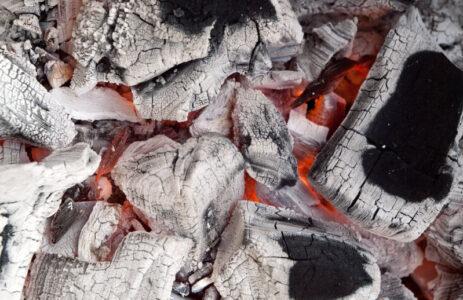
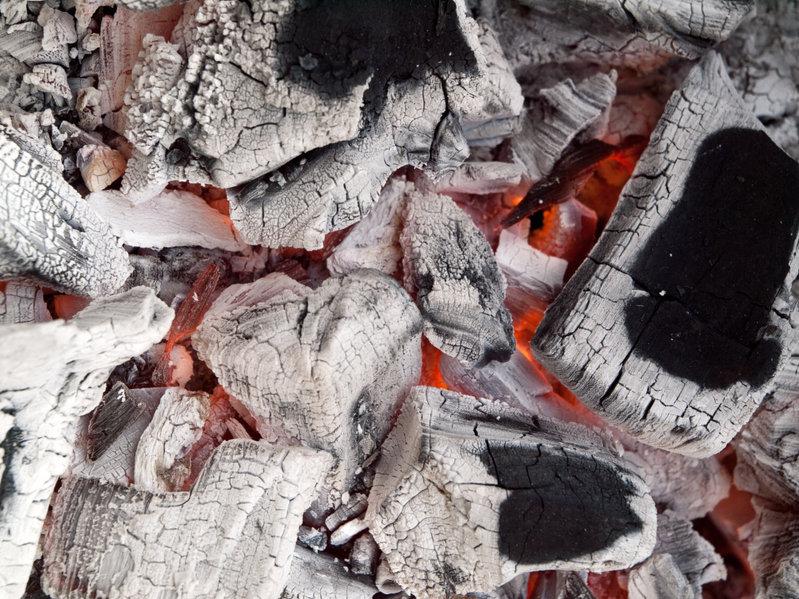
Whether you cook on a Big Green Egg or another ceramic cooker, a kamado grill holds heat well because of its thick ceramic walls. The fuel you use matters just as much as the grill itself.
Natural lump charcoal is recommended for kamado grilling because it lights quickly, burns hot, and generally produces less ash than briquettes. Low ash production matters in a kamado because ash can restrict airflow through the vents and disrupt temperature control. This is why many kamado owners choose lump charcoal as their primary fuel, as discussed in this guide to natural lump charcoal for kamado grills.
Finding the best charcoal for kamado grills is essential if you want steady heat, long burn times, and clean-tasting food. This article explains why lump charcoal works well in a kamado, how it compares with other fuel types, and what to look for in lump charcoal for kamado grills to get consistent results.
How Lump Charcoal Fits a Kamado’s Design
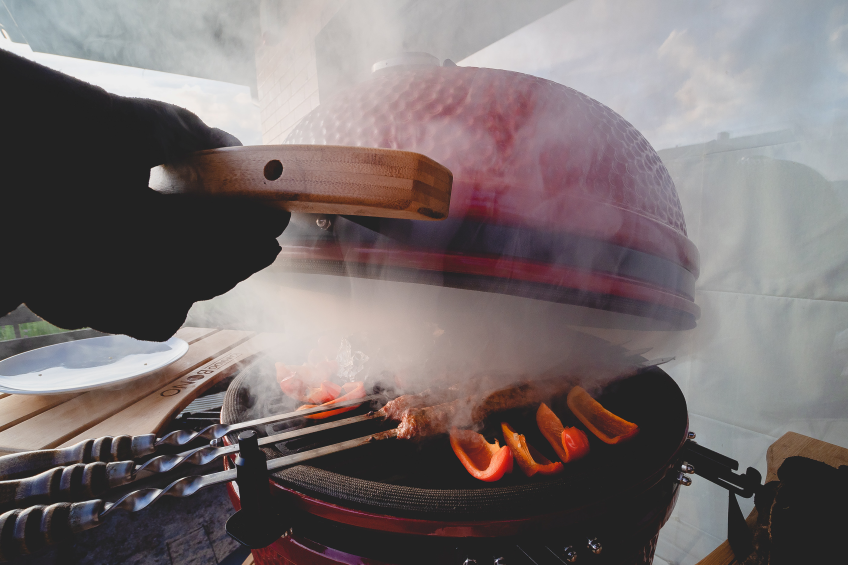 A kamado grill’s thick ceramic walls and tight-sealing lid work well with lump charcoal’s irregular shape and relatively low ash production. Together, they support airflow, steady heat, and efficient fuel use compared with other charcoal types.
Airflow and Low Ash Production
Lump charcoal pieces vary in size and shape, leaving gaps that can allow air to move through the coal bed. This is important in a kamado grill. The top and bottom vents regulate the fire, and airflow through the coals helps them work effectively.
Lump charcoal generally leaves behind less ash than charcoal briquettes. Less ash can help keep the vents clear during a long cook.
Briquettes produce a large amount of ash which can hinder airflow and in some situations even extinguish the fire. Less ash also makes cleanup faster after cooking.
Heat Response and Temperature Control
Kamado grills are designed for precise temperature control, and lump charcoal can help you manage the fire. It often lights faster than briquettes and responds as you adjust the vents.
This responsiveness can help you adjust the cooking temperature. You can increase the heat for high-heat searing or reduce it for slow smoking, though temperature changes may take time as the ceramic grill heats or cools.
Lump charcoal can also reach high temperatures, making it suitable for the high heat a kamado can maintain, especially during direct grilling. The grill’s ceramic body helps retain heat once the target temperature is reached.
Fuel Efficiency in an Insulated Grill
A kamado’s ceramic shell retains heat well, helping the grill maintain its temperature with less fuel than a less-insulated grill may require.
Because of this insulation, lump charcoal can last a long time in a kamado. Unburned pieces may remain after a cook and can often be reused, helping you get more from your fuel.
Here’s what can make lump charcoal efficient in this setup:
- Less fuel needed to maintain heat in an insulated grill
- Reusable pieces that remain unburned after a cook
- Long burn times that can support extended, low-temperature cooking
This efficiency makes lump charcoal a practical choice for long smoking sessions on a kamado grill.
Clean Burning and Food Flavor
Lump charcoal is made from wood that is carbonized, though the wood species and production methods vary by product. Briquettes are typically made from compressed charcoal and may contain binders or other ingredients.
The type of charcoal and how it burns can affect food flavor. Hardwood lump charcoal adds an authentic natural wood flavor, while its intensity varies with the wood and cooking conditions.
Unlike standard charcoal briquettes, lump coal burns cleanly without harsh chemical undertones. A kamado’s sealed design traps this natural wood flavor around the food, supporting consistent cooking whether you’re searing a steak or smoking a brisket.
Lump Charcoal vs. Briquettes
 Lump charcoal and briquettes are made differently and can vary in burn characteristics and ash production. These differences can matter when cooking on a ceramic kamado grill.
Ingredients, Binders, and Additives
Natural lump charcoal is made from wood. Hardwood logs or scraps are heated in a low-oxygen environment until they become charcoal. Charcoal briquettes are made by compressing charcoal fines or sawdust, often with binders to help them hold their uniform shape.
Briquettes may contain binders or other additives, such as starch. Formulations vary by brand, so check the product label for ingredients. If you want a fuel with a simple ingredient list, lump charcoal may be a good option. Choose a product intended for cooking and follow the manufacturer’s instructions.
Ash, Burn Characteristics, and Cost
Lump charcoal often lights quickly and can burn hot. It generally produces less ash than briquettes, which can be useful in a kamado grill.
Ceramic kamado grills have a small bottom vent. If ash builds up, it can restrict airflow, lowering the cooking temperature or potentially extinguishing the fire.
Briquettes often burn at a more consistent rate, but may produce more ash than lump charcoal. You may need to clean your grill more often when using them.
Briquettes are usually cheaper per pound. Lump charcoal costs more, but leftover pieces can often be reused, helping offset the price difference.
When Briquettes May Still Be an Option
Charcoal briquettes are not always the first choice for kamado grilling, but they can work in some situations. Their uniform size may provide predictable heat output, which some beginners find easier to manage.
Briquettes can also be used for long, low-and-slow cooks when steady heat is more important than high searing temperatures or a particular wood-fired flavor.
If you already own briquettes and want to use them in a kamado grill, start with a smaller amount than you would use in a standard kettle grill. Check the ash buildup and clear it as needed to maintain airflow.
For many kamado cooks, lump charcoal is a reliable option that typically produces less ash.
What to Look for When Buying Kamado Charcoal
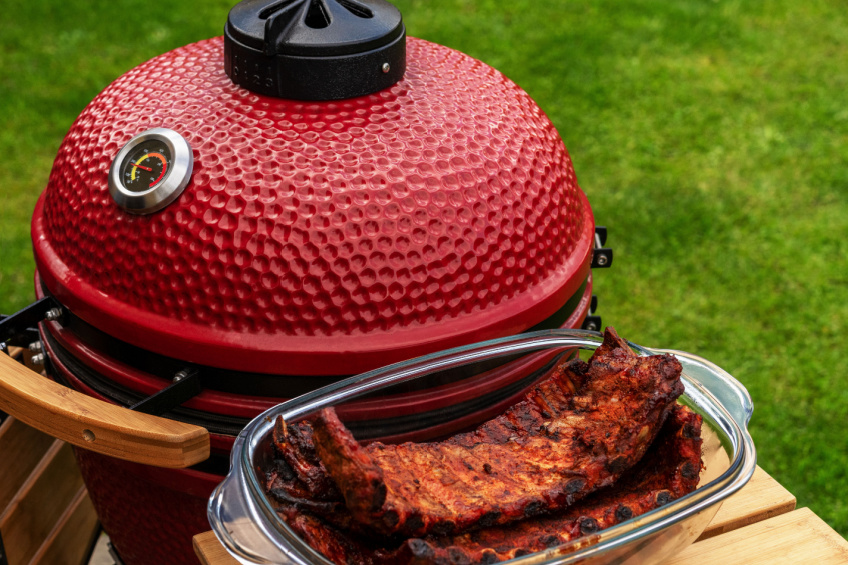 Not all bags of lump charcoal are the same. When choosing charcoal for a kamado grill, check the piece sizes, the wood used, and the product information provided by the brand.
Dense Hardwood and Consistent Carbonization
Choosing premium lump charcoal made from dense hardwood provides dependable burn characteristics and flavor. Wood density and the size of the charcoal pieces can affect how long they burn.
Well-carbonized charcoal should be converted into charcoal throughout each piece. Partly carbonized wood may burn unevenly and produce excess smoke. Some brands provide details about their production process.
Charcoal is usually black, but color alone cannot confirm its quality or how completely it was carbonized.
Chunk Size, Dust, and Bag Quality
Chunk size can affect airflow through the coal bed. A mix of medium and larger pieces can leave air gaps while helping you build a stable fire.
Excessive dust or small fragments may burn quickly and collect near the vents. Higher grades of premium lump charcoal minimize this problem by including fewer broken fragments.
Here’s what to check before you buy:
- Chunk size: Look for a mix of pieces, including some roughly 2 to 4 inches across
- Dust ratio: Check for excessive dust or small fragments in the bag
- Bag weight: Compare price per pound, not just the sticker price
- Packaging: A sealed, sturdy bag helps protect charcoal from moisture
Wood Species and Flavor Preferences
The type of wood used can affect the flavor of your food. Quality hardwoods provide a clean natural wood flavor that lets the taste of the meat shine.
Oak lump charcoal typically gives food a moderate smoky flavor that works well with many meats, including beef and pork.
Some brands blend multiple hardwoods. For example, Kamado Joe Big Block XL Lump Charcoal uses a mix of South American hardwoods, which the manufacturer describes as offering a long burn time and balanced smoke flavor.
Let your flavor preference guide your choice. Charcoal made with hickory or mesquite can provide a stronger smoky flavor, while oak or fruit woods are often milder options for everyday grilling.
How to Assess Brand Claims
Many lump charcoal brands claim long burn times, reusability, or low ash output. Look for independent reviews or test results when comparing different fuels to assess these claims.
Brands like Kamado Joe Big Block XL lump charcoal have built reputations through years of use by kamado owners. This track record can offer more confidence than a brand-new product with no history.
Choosing Charcoal for Different Cooking Styles
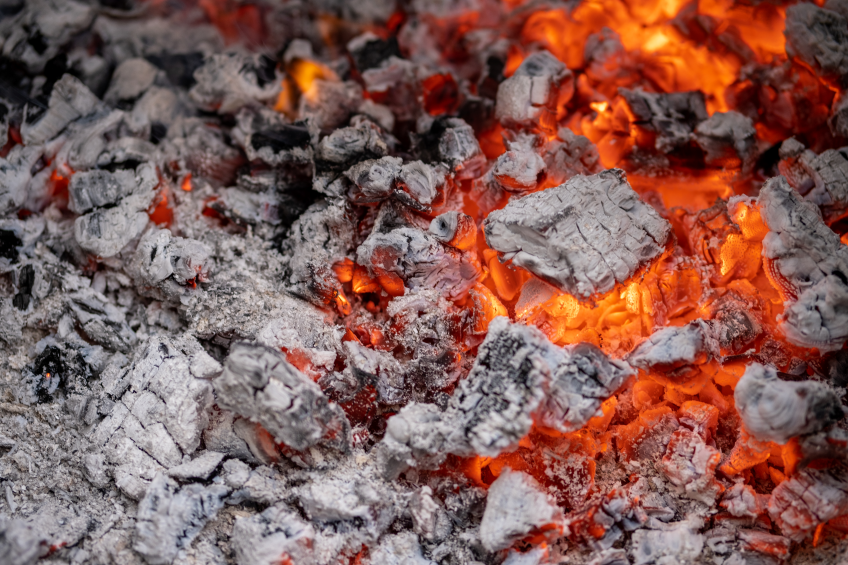 Your cooking method should guide which charcoal pieces you choose and how you arrange them in the firebox. Piece size, airflow, and wood type all affect your kamado grill’s performance and the flavor of your food.
Large Pieces for Low-and-Slow Smoking
For low-and-slow smoking, choose large chunks of premium lump charcoal. Larger pieces burn more slowly and last longer, so you spend less time adding fuel during a long cook.
Look for oak or hickory pieces that are at least fist-sized. These dense hardwoods can provide steady heat for hours when you control airflow properly.
Pack the firebox loosely so air can move between the pieces. Pair this setup with low temperatures around 225-275°F for meats like brisket or pork shoulder.
Mixing in smaller chunks can help start the fire, while larger pieces provide fuel for a long cook and help maintain steady heat.
Airflow and Fuel Setup for High-Heat Searing
Searing requires fast, intense heat, so arrange your charcoal to maximize airflow. Fill the firebox with a mix of medium and large lump pieces, loosely arranged to create air gaps.
Open both the bottom and top vents fully when you start. This lets oxygen flow freely and helps your grill reach temperatures above 700°F, depending on the grill and conditions.
Oak lump charcoal works well because it burns hot and clean. Avoid packing the coals too tightly, since this restricts airflow and slows heating.
Once you reach your target temperature, adjust the vents slightly to maintain steady heat for searing steaks or burgers.
Adjusting Smoke Flavor With Wood Chunks
Quality lump fuel provides a baseline natural wood flavor on its own. You can further adjust your food’s smoky flavor by adding wood chunks to the lit charcoal.
More chunks generally produce a stronger smoke flavor, while fewer chunks preserve a subtle wood profile.
Different woods pair well with certain foods:
- Hickory: bold flavor for ribs and brisket
- Cherry: sweet, mild taste for poultry and pork
- Apple: light sweetness for fish and chicken
- Oak: balanced flavor that works with most meats
Soaking wood chunks is generally unnecessary and can delay clean smoke. Add dry chunks sparingly to the hot charcoal.
Place the chunks away from direct flame so they smolder instead of catching fire quickly. For longer cooks, add fresh chunks as needed to maintain the desired smoke flavor.
Lighting and Managing a Kamado Fire
 Getting the most out of lump charcoal in a kamado grill depends on how you load it, light it, and control the vents. A good setup makes the fire easier to manage from the first light to shutdown.
Arranging Charcoal Without Blocking Airflow
Start by placing the largest pieces of lump charcoal at the bottom of the firebox, with medium pieces on top. This helps keep air channels open so the fire can breathe.
Avoid using a bag that is mostly dust or small fragments. Tiny pieces can pack tightly together and restrict airflow, making it harder to reach your target temperature.
Before loading fresh charcoal, clear old ash from the fire grate. A blocked grate restricts airflow regardless of how well you arrange the new charcoal. This simple step can prevent common temperature problems for kamado owners.
Lighting With Natural Fire Starters
Use natural fire starters instead of lighter fluid. Lighter fluid can leave odors that transfer to food, and kamado grills may retain odors because of their sealed ceramic design.
Place one or two natural fire starters in the center of the charcoal pile. Light them and let the flame spread outward.
You only need to light a small portion of the charcoal to start the fire. Keep the top and bottom vents fully open during this stage. This lets oxygen reach the flame and helps the fire grow steadily rather than flare up in one spot.
Using the Vents to Reach and Hold Temperature
Temperature control in a kamado grill depends largely on vent position. Opening the vents feeds more oxygen to the fire and raises the heat. Closing them restricts airflow and lowers it.
As the grill climbs toward your target temperature, watch the gauge closely. Once you’re about 50°F below your goal, begin closing the vents to small openings to stabilize the heat and reduce the risk of overshooting.
Small adjustments matter more than large ones. A quarter-inch change in vent opening can shift the temperature by 20 to 50 degrees, depending on how hot the fire already is. Make one change, then wait several minutes before adjusting again.
| Vent Position | Effect on Fire |
|---|---|
| Fully open | Fast heat increase |
| Half open | Moderate, steady heat |
| Nearly closed | Low, stable heat for long cooks |
Shutting Down and Reusing Unburned Charcoal
One advantage of lump charcoal is that you can reuse what doesn’t burn. To shut down the fire, close both the top and bottom vents completely. Without oxygen, the fire goes out and the remaining charcoal stops burning.
Let the grill cool fully before opening it again. This can take a few hours, depending on how hot the grill was.
Once the grill is cool, sift out the ash and save any leftover charcoal chunks. These pieces can be relit for your next cook, reducing waste and saving money over time.
Storage, Cleanup, and Common Fuel Problems
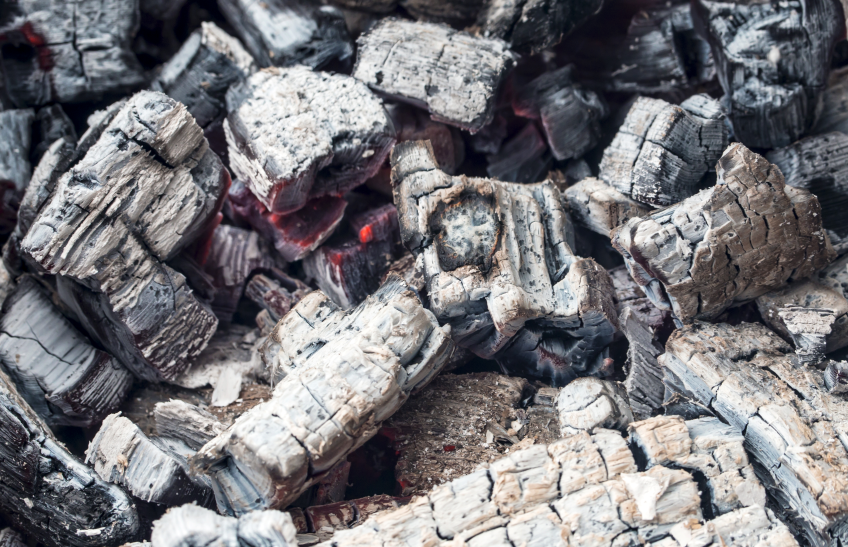 Good fuel can still lead to a poor cook if you store it incorrectly or neglect grill cleanup. Dry charcoal lights more easily, ash buildup blocks airflow, and excess dust can make temperature control more difficult.
Keeping Charcoal Dry
Hardwood lump charcoal is porous, so it absorbs moisture from the air. If your charcoal gets damp, it can be harder to light and may burn unevenly.
Store your bag in a sealed, waterproof container. A galvanized metal bin or a heavy-duty plastic tub with a tight lid works well. Keep it in a cool, dry spot like a garage or shed, and never leave it directly on a damp floor. Learn more about moisture control for grilling fuel to protect your supply between cooks.
If you live somewhere humid, a silica gel pack may help reduce moisture in your storage bin and keep your charcoal ready to light when you fire up your kamado grill.
Clearing Ash to Restore Airflow
Your kamado grill needs steady airflow to hold a stable temperature. Ash buildup in the firebox blocks that airflow and makes heat harder to control.
Check the ash layer before every cook. If it’s more than an inch deep, clear it out using an ash tool or a small rake made for ceramic grills. Many kamado models have a bottom vent or ash drawer that makes this easier.
Clearing ash regularly also helps protect your grill’s parts. Built-up ash can clog vents and damage the firebox over time. A clean firebox means better airflow, steadier heat, and less wasted fuel on your next cook.
Recognizing Excess Dust and Low-Quality Fuel
Not all lump charcoal burns the same way. Some bags contain excess dust, small wood fragments, or fillers that can cause uneven heat and produce extra ash.
Before pouring charcoal into your firebox, shake the bag and check what settles. A large amount of fine dust at the bottom may indicate lower-quality fuel. Excess dust can restrict airflow and make it harder to maintain a stable cooking temperature.
Good hardwood lump charcoal should consist of large, solid chunks with little to no dust. Choosing premium lump charcoal helps ensure you get usable pieces rather than crushed powder.
If your bag contains mostly small fragments, consider switching brands. For help choosing a reliable option, check out this guide to the best lump charcoal for kamado grills.
FAQ:Why Is Natural Lump Charcoal Recommended for Kamado Grilling?
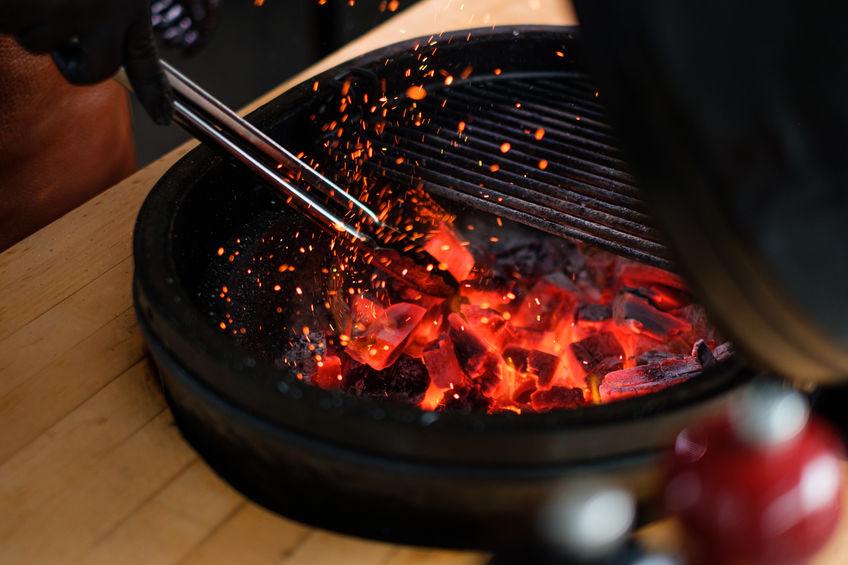 Natural lump charcoal is recommended for kamado grills because it lights relatively quickly, produces high heat, and generally leaves less ash than charcoal briquettes. Its low ash production helps maintain airflow through the kamado’s firebox, making temperature control easier during both high-heat grilling and low-and-slow cooking.
Lump Charcoal Reaches High Temperatures
Kamado grills are designed to retain heat and can reach high temperatures for searing steaks, grilling burgers, and cooking pizza. Natural lump charcoal can produce the intense heat needed for these tasks when the fire has sufficient oxygen.
Its irregular pieces vary in size, so burning characteristics can differ between batches. Arranging a mixture of smaller and larger pieces can help establish a consistent fire.
It Produces Less Ash Than Many Briquettes
Lump charcoal generally produces less ash than many conventional briquettes, although the exact amount depends on the product. This is useful in kamado grills because excessive ash can restrict airflow through the fire grate and interfere with temperature control.
Removing accumulated ash between cooking sessions helps maintain proper airflow and supports more consistent performance.
Lump Charcoal Is Suitable for Long Cooking Sessions
A well-managed kamado fire can maintain a steady temperature for several hours. Larger pieces of dense lump charcoal can provide sustained heat, particularly when the grill’s lid is closed and the vents are adjusted carefully.
For low-and-slow cooking, avoid opening the lid unnecessarily or making large, sudden vent adjustments. Kamado grills respond gradually to airflow changes, so small adjustments are usually easier to manage.
It Can Add a Natural Charcoal Flavor
Natural lump charcoal can contribute a subtle smoky flavor to grilled food. The flavor varies according to the wood used to make the charcoal, the cooking temperature, and the food being prepared.
For stronger smoke flavor, some cooks add suitable wood chunks. Use only untreated cooking wood and follow the grill manufacturer’s guidance.
Can You Use Briquettes in a Kamado Grill?
Some kamado manufacturers recommend natural lump charcoal and discourage conventional briquettes, particularly those containing additives or producing excessive ash. However, suitability depends on the specific grill and charcoal product.
Always check the manufacturer’s instructions before using briquettes. Using the recommended fuel helps protect airflow, maintain cooking performance, and avoid potential warranty issues.