

You might wonder which grill gets hotter for your next backyard barbecue.
Charcoal grills can burn hotter than propane grills, and tests show the air above a charcoal bed can reach temperatures far higher than the air above a gas grill’s burners. This can matter when you want a strong sear on steaks or other meat.
The debate over charcoal vs. gas grill heat comes down to how each fuel works. Fans of charcoal grilling often praise its ability to produce intense radiant heat.
With propane, maximum heat depends on the burners and the grill’s design. With charcoal, you can add more coals to increase the heat, within the limits of the grill and its airflow.
Knowing the difference can help you plan your next cookout. If you want deep char marks and a crisp crust, charcoal often has the edge, though grill design and setup matter. Keep reading to see how the temperatures compare and what they mean for your food.
Peak Heat: What Each Grill Can Reach
 Achieving ideal grilling temperatures depends on your fuel and equipment. Charcoal can burn much hotter than a propane flame, but the number on paper does not always match the temperature at grate level. Grill design, probe placement, and lid position all affect how much heat reaches your food.
Typical Grate Temperatures for Charcoal and Propane
A charcoal grill can reach grate temperatures in the 600–650°F range with the lid on, according to heat profile tests comparing gas and charcoal grilling. The coal bed itself can get hotter, sometimes topping 1,200°F.
A propane grill’s grate temperature is usually lower. Most models can reach standard grilling temperatures for everyday cooking with the lid closed. The temperature of an open flame is not directly comparable to the temperature at the grate.
Here is a rough comparison:
| Fuel Type | Grate Temp Range |
|---|---|
| Charcoal (lid on) | 600–650°F |
| Propane (lid closed) | 325–400°F |
Why Grill Design and Measurement Location Matter
Thermometer placement can significantly change the reading. A probe positioned just above the coals reads much hotter than one two inches higher because charcoal heat drops quickly with distance.
Your grill’s shape also plays a role. A kettle grill traps and circulates heat differently from a gas grill with raised flavor bars. Thermal mass affects how hot a grill can get, not just the fuel’s heat output.
Lid position matters too. Closing the lid on either grill traps heat and generally raises the cooking temperature compared with grilling with the lid open.
When Infrared Gas Burners Close the Gap
Some propane grills use infrared burners instead of standard burners. These burners heat a plate or ceramic surface, which radiates heat directly onto the food rather than relying only on hot air.
This design can bring a propane grill’s searing performance closer to that of a charcoal grill. Infrared burners are designed to provide fast, intense, direct heat for searing steaks.
Standard propane burners can be more versatile for even, low-and-slow cooking, while infrared burners excel at high-heat searing. For a hard sear, infrared technology can narrow the heat gap between gas and charcoal.
What Determines Heat Output
 Several factors control how hot your grill gets, beyond the type of fuel you choose. The type of charcoal, how you arrange the coals, and how BTU ratings are measured all affect actual cooking temperatures.
Lump Charcoal Versus Briquettes
The charcoal you choose affects how hot and how fast your fire burns.
Lump charcoal is made from chunks of carbonized wood. It lights quickly and can reach high temperatures, making it a good choice when you want strong sear marks on steak.
Briquettes are formed from charcoal dust, binders, and sometimes fillers. Standard charcoal briquettes typically burn more slowly and evenly than lump charcoal.
Charcoal briquettes can work well for longer cooks like ribs or pulled pork, where steady heat matters more than peak heat. Lump charcoal often suits quick, hot cooking, but either fuel can be used for different cooking styles.
Airflow, Coal Arrangement, and Distance From the Grate
How you set up your charcoal grill matters as much as the fuel itself.
More airflow feeds the coals and can make the fire hotter. Open vents let in oxygen, causing charcoal to burn faster. Partially closing the vents can slow the burn and lower the temperature.
Where you place your coals also changes your heat zones:
- Piled in the center – creates a concentrated hot spot for searing
- Spread evenly – provides more consistent heat across the grate
- Banked to one side – creates a hot zone and a cooler zone for indirect cooking
The space between the coals and the grate affects heat too. A grate set closer to the coals exposes food to more direct heat.
Managing airflow gives you greater temperature control across the cooking surface. You can explore the difference in heat profiles of gas vs charcoal grilling.
Why BTU Ratings Do Not Tell the Whole Story
BTU output numbers may seem like a simple way to compare grills, but they do not tell you everything about cooking heat.
A BTU rating measures a gas grill’s burner heat output over time, not the temperature at the grate. Two gas grills with the same BTU rating can cook at different temperatures because of burner design, lid shape, and heat retention.
Charcoal grills do not have a comparable BTU rating, which makes direct comparisons with gas grills difficult. Charcoal heat depends on the factors already covered: fuel type, airflow, and coal setup. This is one reason charcoal can get hotter than standard gas grills, though results depend on the grills being compared.
Startup, Temperature Control, and Heat Retention
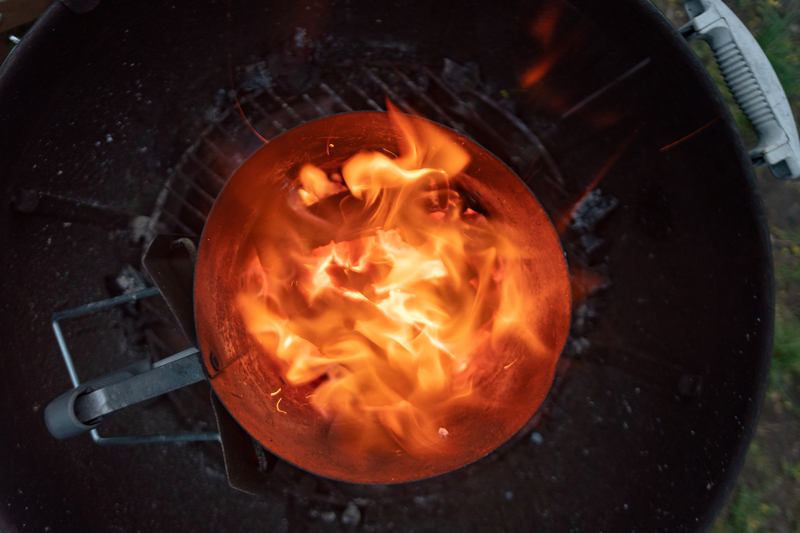 Gas and charcoal grills start differently and hold heat differently. These differences affect how long you wait to cook and how much attention you need to give the grill once food is on the grate.
Lighting Coals With a Chimney Starter
A charcoal chimney is an easy way to start coals without lighter fluid. Fill the chimney with charcoal, place crumpled newspaper underneath, and light the paper.
The coals are usually ready to use in 15 to 20 minutes, when they are glowing and developing a light ash coating. Once ready, pour them into your grill and arrange them as needed.
A chimney starter heats charcoal evenly, which can help with consistent cooking. Propane skips this step entirely. You turn a knob and press an igniter button to light the grill in seconds. There is no need to wait for charcoal to catch and burn down.
Adjusting Vents Versus Turning Burner Knobs
Charcoal and propane grills control heat in different ways. Successful temperature control requires a distinct approach for each fuel type.
Charcoal grills use vents for temperature control.
Here’s how it works:
- The bottom vent controls how much air reaches the coals
- More open space means more oxygen, which can make the coals burn hotter
- The top vent controls how smoke and heat escape
- Partially closing vents can lower the temperature; opening them can raise it
This method takes some practice. Traditional charcoal grilling requires a few tries to learn how vent adjustments shape cooking temperatures.
Propane grills use burner knobs instead. Turning a knob adjusts the flame, giving you quick control over heat. This is one reason people choose propane grilling for faster, simpler cookouts.
How Long Each Grill Holds Useful Heat
Charcoal can hold useful heat after the fire is lit. Depending on the amount of charcoal and airflow, the coals may stay hot for an hour or more.
This can let you cook multiple batches of food without relighting, as long as enough charcoal remains hot. Propane does not retain heat in the same way once the burners are off.
A propane tank fuels the flame directly, so heat output drops quickly when you turn down the burners or shut off the gas. As long as your propane tank has gas, heat output remains remarkably steady.
Unlike hot coals, the burner does not provide a residual fuel source that continues producing heat after shutoff. This difference matters if you plan to cook for a long time or want to maintain steady heat while monitoring your fuel.
How the Heat Difference Affects Cooking
 Heat levels affect how your food cooks and tastes. A hotter grill works better for some tasks, while lower, steadier heat is better for others.
Searing Steaks and Building a Browned Crust
Searing steaks requires very high heat. Charcoal grills can reach temperatures above 700°F, while many gas grills reach around 500°F to 600°F.
This heat helps drive the Maillard reaction, the chemical process that creates a brown, flavorful crust on meat. A faster Maillard reaction develops rich savory aromas without overcooking the center.
Charcoal helps accelerate the Maillard reaction on thick cuts. The exterior browns rapidly while the interior stays pink and juicy.
Gas grills can also sear food, but some models may take longer to reach high temperatures. A sear burner can help produce a similar crust.
Setting Up Direct and Indirect Heat Zones
Two-zone cooking creates a hot side and a cooler side on your grill. You can sear food over direct heat, then move it to the cooler side to finish cooking with indirect heat.
On a charcoal grill, push the coals to one side of the grate. The side without coals becomes the indirect cooking zone.
On a gas grill, turn on the burners on one side and leave the others off. The unlit side serves as the indirect cooking zone.
Charcoal grills can reach high temperatures for searing over the hot side. Gas grills offer more precise control because you can adjust the burners without moving coals.
Managing Longer, Low-and-Slow Cooks
Low-and-slow cooking uses steady, low heat over an extended period. It works well for tougher cuts, such as ribs or brisket, which benefit from time to become tender.
Maintaining a steady temperature on a charcoal grill can take more attention. You may need to monitor the coals and add more fuel as they burn down.
Gas grills can make low-and-slow cooking easier to manage. Set the burners to a low temperature and adjust them as needed to maintain steady heat.
Charcoal has one potential advantage for these cooks: smoke flavor. Adding wood chips to charcoal can add smoke flavor, which can be harder to achieve on a gas grill, even with a smoker box.
Heat and Flavor Are Not the Same Thing
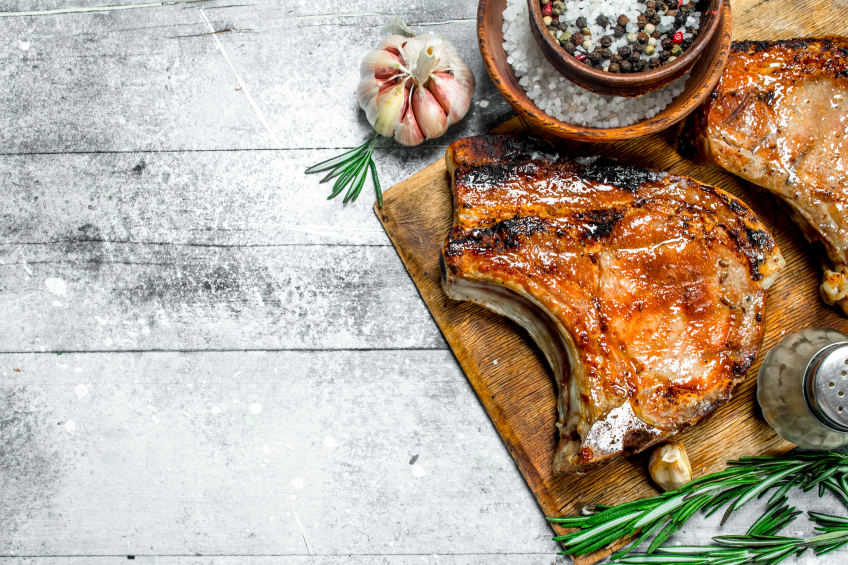 A hotter grill does not always produce better-tasting food. Heat affects how quickly food cooks and browns, while smoky flavor comes from smoke and the compounds it carries.
Where Charcoal’s Smoky Flavor Comes From
Burning charcoal produces some smoke and combustion compounds that can contribute to the flavor of food, even without added wood. Lump charcoal generally burns hotter and produces less ash than briquettes, though the smoke and flavor vary by product and cooking conditions.
Briquettes often burn longer and cost less, but they produce ash, and their flavor can differ from lump charcoal. Fat and juices dripping onto hot coals can also create smoke that flavors food. These differences help explain why food cooked over charcoal can taste different from food cooked on gas, even at similar temperatures.
Adding Wood Smoke to a Gas Grill
You can add smoky flavor to food cooked on a gas grill by using wood chips in a small metal container called a smoker box.
Place the smoker box over a burner. As the wood chips heat, they begin to smolder and release smoke. The smoke circulates around the food and adds flavor as it cooks.
Some gas grills have a built-in smoker box. If yours does not, you can buy one separately or make a simple version using foil. In either case, the goal is to let the wood chips smolder rather than burn quickly.
Choosing a Grill for Your Cooking Style
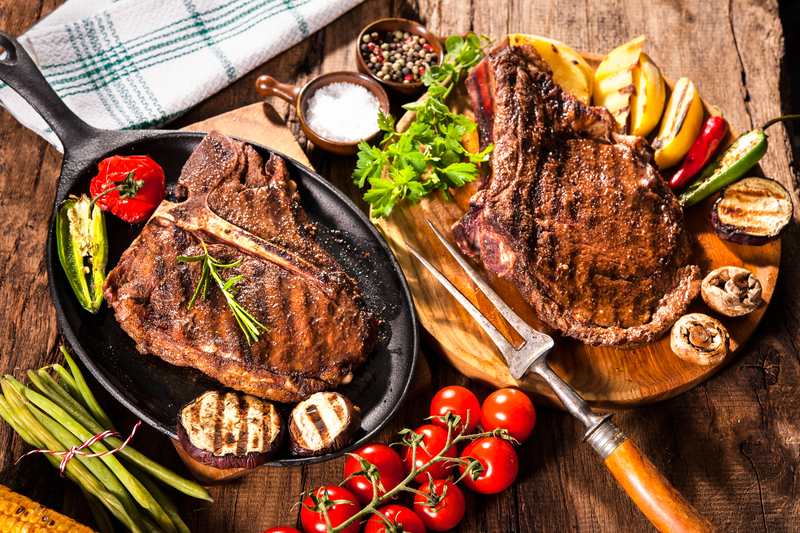 The right grill depends on the heat you need, the time you want to spend, and the flavor you prefer. Each fuel type has strengths suited to different cooking styles.
Kettle and Kamado Options for Charcoal
A kettle grill, such as the Weber Original Kettle, is a versatile choice for searing steaks and burgers. Backyard chefs often favor the Weber Original Kettle for its efficient airflow and high peak heat.
Many kettle grills can exceed 600°F with the lid closed, providing intense heat for searing.
Kamado grills work differently. Their thick ceramic walls retain heat, making them suitable for slow cooking and roasting. They can maintain steady temperatures, though results depend on setup and conditions.
Both styles are versatile. You can configure a kettle or kamado grill for direct-heat searing or indirect-heat roasting, sometimes during the same cook. Charcoal grills are a good option if you want to switch between quick searing and slower cooking methods.
When Propane’s Speed and Convenience Win
Propane grills are a convenient choice when you want to cook with minimal setup. Propane grilling lets you turn on the burners, preheat in minutes, and start cooking right away.
There is no charcoal to light or ash to clean up afterward, making propane grilling ideal for busy schedules.
This convenience can be especially useful on busy weeknights or when cooking for a group. Propane grills also let you adjust the flame quickly, while charcoal temperature changes may take more time.
If you grill frequently and want to minimize prep time, propane can simplify the process. You trade some of charcoal’s potential for higher heat and smoke flavor for speed and ease.
When a Pellet Smoker Makes More Sense
A pellet smoker is best for low-and-slow cooking rather than high-heat searing. Many models maintain steady temperatures with a digital controller, making them well suited to ribs, brisket, and pulled pork.
Pellet smokers can also reach searing temperatures, but heating up takes time. In one test, a pellet smoker took about 15 minutes to climb from smoking temperature to 450°F, and the heat was uneven across the cooking surface, according to thermal testing data.
If you prefer hands-off smoking to quick grilling, a pellet smoker offers consistent cooking with less active monitoring.
Our Recommended Charcoal and Propane Grills
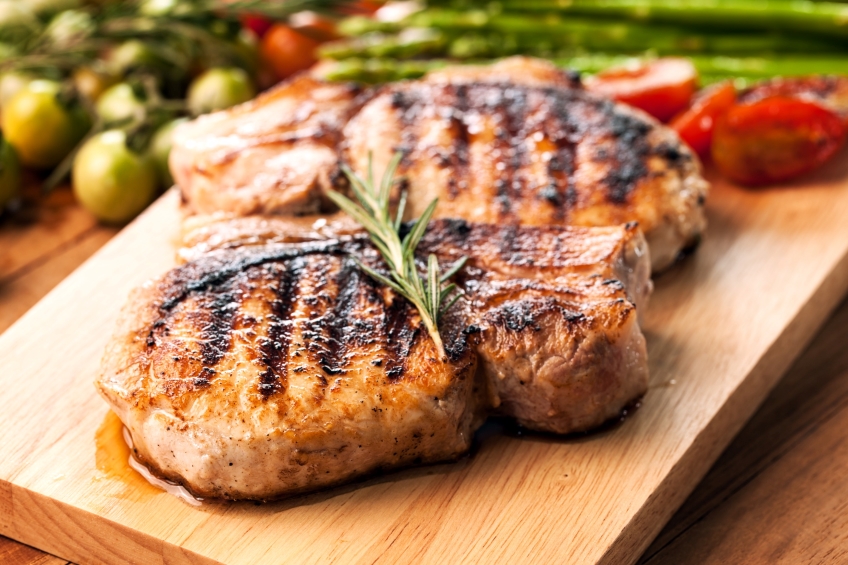 If you are deciding between charcoal and propane, two excellent examples are the Weber Original Kettle Premium Charcoal Grill and the Weber Spirit E-325 Gas Grill. They represent the main strengths of each fuel type: charcoal offers intense, direct heat and a pronounced smoky flavor, while propane provides fast, convenient temperature control.
Weber Original Kettle Premium Charcoal Grill, 22-Inch
The Weber Original Kettle Premium Charcoal Grill is a strong choice if you want the high-heat cooking and smoky flavor associated with charcoal grilling. Its classic kettle design helps circulate heat around the cooking chamber, while the adjustable vents allow you to control the airflow and therefore influence the cooking temperature.
For high-temperature grilling, charcoal has an advantage because properly arranged hot coals can produce very intense direct heat. The Weber Kettle is also versatile enough for more than burgers and steaks, allowing you to set up different heat zones for searing and slower cooking.
The 22-inch cooking grate provides enough space for everyday family grilling while retaining the compact design that has made the Weber Kettle popular for decades. It is a particularly good option if your priority is maximum charcoal heat, smoky flavor, and versatility.
Weber Spirit E-325 Gas Grill
If convenience and precise temperature control are more important to you, the Weber Spirit E-325 Gas Grill is an excellent propane or natural-gas alternative, depending on the configuration you choose. Its three-burner design provides multiple heat zones, making it easier to sear food over higher heat while keeping other areas at a lower temperature.
Unlike charcoal, gas does not require you to wait for coals to ignite and reach cooking temperature. You can turn on the burners, preheat the grill, and begin cooking relatively quickly. Temperature adjustments are also straightforward, which makes the Spirit E-325 particularly practical for frequent grilling.
The Spirit E-325 is therefore a good choice if you want consistent heat, easy temperature adjustment, and the convenience of gas grilling without the additional setup and cleanup associated with charcoal.
Which One Should You Choose?
If your main goal is achieving very high direct heat and adding a pronounced smoky character to your food, the Weber Original Kettle Premium Charcoal Grill is the better choice. If you value convenience, fast preheating, and easy temperature control, the Weber Spirit E-325 is the more practical option.
Both grills are capable of excellent cooking results, but they approach grilling differently. Charcoal generally has the edge for intense direct heat and smoky flavor, while gas offers greater convenience and control for everyday cooking.
FAQ: Do Charcoal Grills Get Hotter Than Propane?
 Charcoal grills can reach very high cooking temperatures, and they can sometimes get hotter than propane grills, particularly when using lump charcoal with strong airflow. However, the maximum temperature depends on the grill design, fuel, airflow, weather, and how the grill is operated.
Does Charcoal Burn Hotter Than Propane?
Charcoal can produce intense heat, but comparing the fuels solely by their combustion temperature can be misleading. What matters for grilling is the temperature at the cooking grate, which is affected by the grill’s design, airflow, distance from the fuel, and heat retention.
Can Charcoal Grills Reach 500°F?
Yes. A properly managed charcoal grill can readily reach 500°F (260°C) or higher at the cooking grate. Some charcoal grills can reach substantially higher temperatures when using large amounts of fuel and unrestricted airflow, although the manufacturer’s temperature limits should always be followed.
Can Propane Grills Reach High Temperatures?
Yes. Propane grills can reach temperatures suitable for high-heat grilling and searing, with many models capable of reaching around 500°F (260°C) or more when properly preheated. The exact maximum temperature varies considerably between models.
Is Charcoal Better for Searing?
Charcoal can be excellent for searing because it can provide intense direct heat and allows food to be positioned close to the hot coals. A well-preheated propane grill can also sear effectively, particularly when it has high-output burners and suitable cooking grates.
Why Does Charcoal Sometimes Feel Hotter Than Propane?
Charcoal produces radiant heat directly from the hot coals, while the cooking grate is positioned above the fuel. The combination of glowing charcoal, airflow, and the grill’s enclosed cooking chamber can create intense heat at the cooking surface.
Which Gets Hotter: Charcoal or Propane?
There is no universal winner based solely on fuel type. A well-designed charcoal grill can reach higher cooking temperatures than some propane grills, while a high-output propane grill may outperform a particular charcoal model; the grill’s design and operating conditions are just as important as the fuel.