
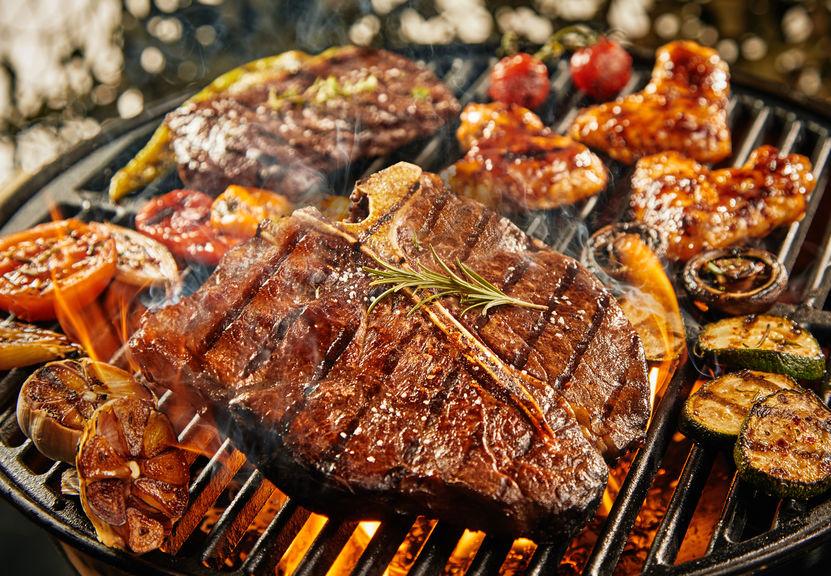
Charcoal grilling gives food a smoky taste that gas grills can struggle to match. You can make that flavor even better with a few simple changes to how you grill. Mastering charcoal grilling takes patience, but simple adjustments will immediately elevate your results.
One of the easiest ways to boost flavor is to add wood chips or chunks to your charcoal. The wood creates extra smoke that can flavor your food. Add wood near the coals, and keep the grill lid closed to help retain the smoke. Soaking wood chips is usually unnecessary and does not add more smoke flavor.
You can also choose a different type of charcoal, control airflow, or pair different woods with different meats. These adjustments can give your grilled dishes a deeper, richer taste.
Start With Clean Charcoal and a Well-Arranged Fire
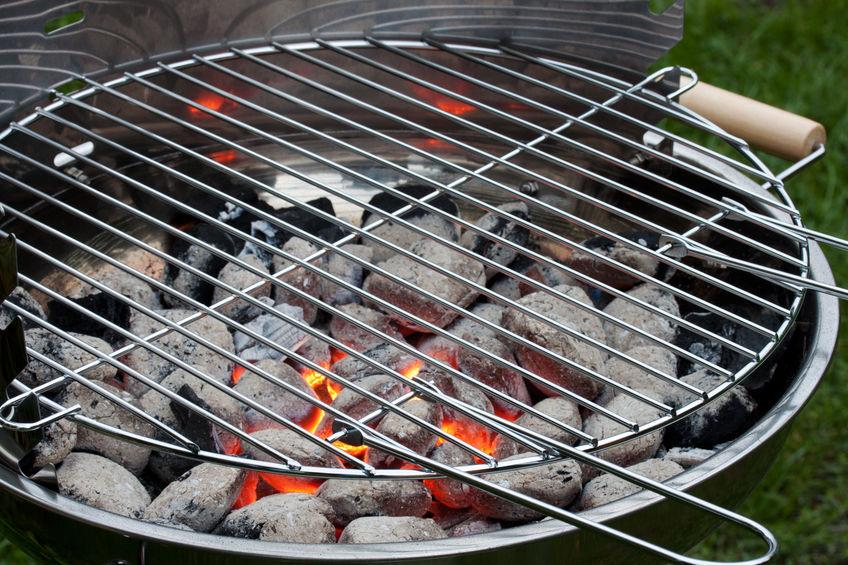 Good flavor starts before you light the grill. The type of charcoal you choose, how you light it, and how you arrange it all affect your food’s flavor.
Mastering these basics is essential for successful charcoal grilling every time you cook.
Choose Lump Charcoal or Briquettes for the Cook
Lump charcoal and briquettes each have different qualities. Lump charcoal is made from hardwood, so it lights quickly and burns hot. Many grillers prefer hardwood charcoal for its natural smoke flavor, though the flavor depends on the charcoal and how it is used.
Charcoal briquettes generally burn more slowly and evenly than lump charcoal. Standard charcoal briquettes provide consistent, uniform heat that makes temperature control straightforward on long cooks.
Briquettes are a reliable choice when you need steady heat for longer cooks, such as ribs or a whole chicken. Choose lump charcoal for fast, high heat and briquettes when you want steady heat over a longer cook.
Light the Coals With a Chimney Starter
A chimney starter is a simple way to light your coals without lighter fluid, which can leave unwanted flavors if it is not fully burned off. A chimney uses newspaper and airflow to start the charcoal.
To use one, stuff the bottom with crumpled newspaper, fill the top with charcoal, and set it on your grill grate. Light the paper and let the coals burn for 15 to 20 minutes.
The coals are ready when the top layer is covered with gray ash. Pour them into your grill, then arrange them for your cook.
Set Up a Two-Zone Fire and Control Airflow
A two-zone fire gives you two heat levels on one grill. Pile your coals on one side for high, direct heat, and leave the other side empty for lower, indirect heat.
This setup lets you sear meat over the hot side, then move it to the cooler side to finish cooking without burning the outside. It also gives you more control during flare-ups.
A charcoal basket can help keep coals on one side and maintain the two zones. Adjust your grill vents to control airflow: opening them allows more oxygen to reach the coals and can raise the heat, while closing them slows the burn and lowers the heat. Avoid closing the vents completely while cooking, since the fire needs oxygen.
Add Wood Smoke to the Coals
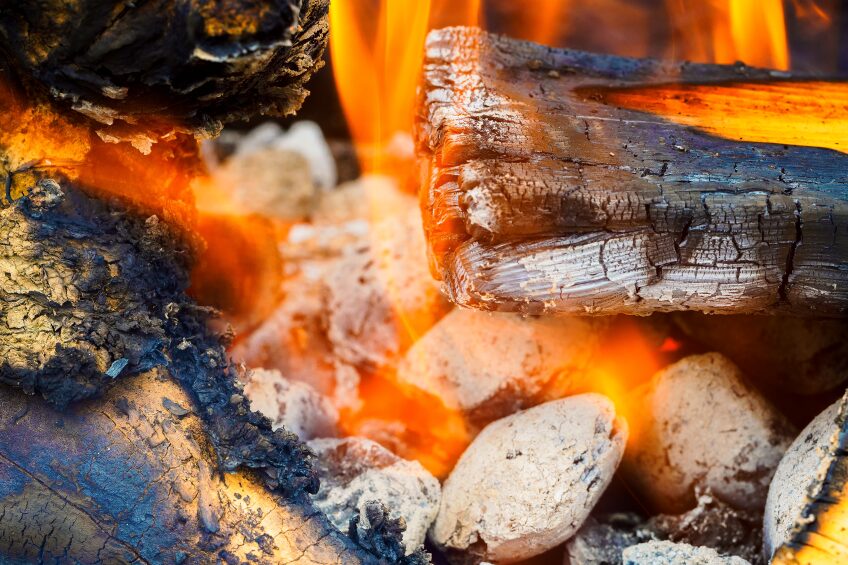 Wood smoke adds a deeper, more complex taste than charcoal alone. Learning how to use wood chips on a charcoal grill gives you great flexibility with different foods.
You can add wood directly to the fire, use a foil packet or smoker box, or choose chunks for longer cooks.
Place Wood Chips Directly on Charcoal
The simplest way to add smoke is to place wood chips directly on hot coals. Once your charcoal has a layer of white-gray ash, add a small handful of chips on top.
Using wood chips on a charcoal grill works best for quick cooks like burgers, chicken breasts, or vegetables. Smoking with wood chips delivers a rapid burst of aroma as the chips ignite quickly and burn down.
Add more chips every 10 to 15 minutes if you want the smoke to continue. This method gives you smoky flavor using wood chips with little setup, but requires attention because you need to add chips by hand.
Use a Foil Packet or Smoker Box for More Control
For a more controlled way to add wood chips, use a foil packet or a smoker box. To make a foil packet, wrap a handful of wood chips in aluminum foil and poke several holes in the top so smoke can escape.
Place the packet directly on the coals or on the grill grate above the heat. A smoker box is a reusable metal container designed for the same purpose.
Both methods can help contain the chips as they heat, making it easier to manage smoke during a cook. For larger grills, you may need more chips to provide smoke across the cooking area. The foil packet method is one option.
Choose Wood Chunks for Longer Cooks
Wood chips burn quickly, so they are less suited to cooks that last several hours. Larger, denser wood chunks generally burn more slowly and can produce smoke for longer.
Use chunks when smoking larger cuts of meat, such as pork shoulder or a whole chicken, over a longer cook. Place a few chunks on or near the coals, following your grill’s setup, to add smoke as they heat.
Chunks usually need replacing less often than chips, making them a practical choice when you cannot check the grill every few minutes. They can also provide a more sustained smoke than repeated short bursts from chips.
Skip Soaking Unless You Have a Specific Reason
Soaking wood chips in water before grilling is common, but usually unnecessary. Wet chips must heat and dry before they begin smoking, which delays the process without adding more smoke flavor.
Dry wood chips begin smoking sooner, making timing more predictable, especially for shorter cooks.
Soaking may be useful in some setups if you specifically want to delay when chips begin smoking. Otherwise, dry chips are the simpler choice.
Match the Wood to the Food
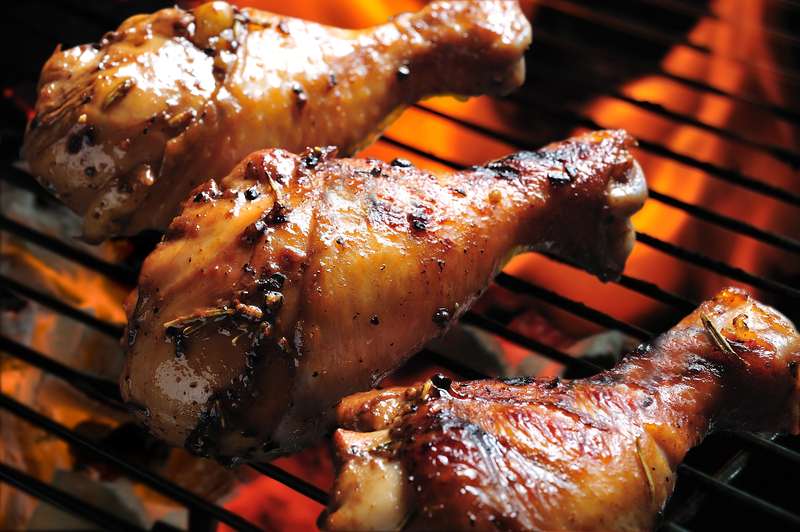 Different woods produce smoke with flavors that range from mild to strong. Careful wood selection helps ensure the smoke complements your ingredients without overpowering them.
The right wood depends on what you are cooking: delicate foods suit lighter smoke, while heartier cuts can handle a bolder flavor.
Use Applewood for a Milder Smoke
Applewood produces a light, slightly sweet smoke that works well with foods that have a delicate taste. It pairs naturally with chicken, pork, and fish because it adds flavor without overpowering the meat.
You can mix applewood chips with charcoal to add a mild smoky flavor. Use a small amount at first, then adjust to taste.
Applewood also works well with vegetables and grilled fruit. If you are new to smoking food on a charcoal grill, its mild flavor is a good place to start.
Try Oak or Hickory for a Fuller Barbecue Flavor
Oak and hickory produce a stronger, more traditional barbecue flavor than fruitwoods. Dense oak wood burns steadily, making it a reliable choice for longer cooks like brisket or pork shoulder.
Adding oak wood chips over the coals produces a balanced smoke profile that pairs naturally with beef, pork, and poultry. Because oak wood chips burn evenly, they deliver a mellow, versatile smoke that enhances meat without overpowering subtle seasonings.
Hickory produces a more pronounced smoky flavor. It is a common choice for ribs and other classic barbecue dishes because its flavor can stand up to sauces and dry rubs.
Both woods can be used alone or mixed with milder woods like applewood to balance the flavor. For a classic backyard barbecue taste, oak or hickory can infuse your food with smoke.
Add Mesquite Sparingly to Robust Dishes
Mesquite produces strong, sharp smoke and can burn quickly. Use it sparingly, as it can overpower food when used in large amounts.
Mesquite pairs well with bold, fatty cuts like beef brisket or steak, which can stand up to its intense flavor. Too much mesquite can make food taste bitter, so many grillers mix it with a milder wood like oak.
Mesquite can also complement dishes with strong seasonings, such as spicy rubs or dark sauces. For delicate foods, choose a lighter wood instead.
Use Heat to Develop Flavor Without Burning Food
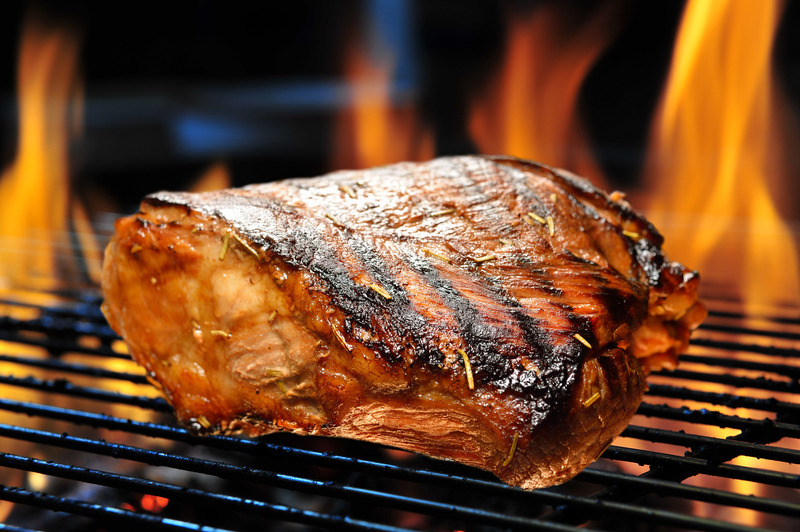 Good flavor depends on how you control heat, not just how hot your grill gets. A two-zone fire lets you sear food for a crisp crust, then move it away from direct flames to finish cooking without charring.
Sear Over Direct Heat, Then Finish on the Cooler Side
Place your food directly over the coals first. This high heat triggers the Maillard reaction, which browns the surface and develops savory flavor. Direct heat also encourages surface caramelization of sugars, creating a deeper, richer crust.
This caramelization creates rich, complex flavors on the exterior of the meat. Managing heat ensures that this caramelization stays flavorful rather than turning into burnt char.
Direct grilling can take just two or three minutes per side, depending on the food and heat. Watch closely, since sugars and proteins can burn once browning begins.
After searing, move the food to the cooler side of your two-zone fire. This lets the inside cook through without scorching the outside.
Thick cuts like steaks or bone-in chicken benefit from this method. You can get a crisp, flavorful crust and an evenly cooked center while reducing the risk of drying out the meat or burning the surface.
Keep the Lid Closed During Indirect Cooking
Once your food moves to indirect heat, close the lid. This traps heat and smoke, helping your food cook evenly. An open lid lets heat escape, which can extend cooking time and increase the risk of drying out your food or losing moisture.
A closed lid also helps brown the surface of vegetables, poultry skin, and thicker cuts of meat. The trapped heat works like a small oven, cooking food from all sides instead of just from below.
Check your food only when needed, such as to flip it or check its temperature. Every time you lift the lid, heat escapes and cooking time can increase.
Maintain a Steady Fire for Low-and-Slow Cooking
Low-and-slow cooking needs a fire that stays consistent for hours. Use a chimney starter to light a small batch of coals, then add unlit coals gradually to maintain steady heat.
This method works well for smoking meat, such as ribs, brisket, or pork shoulder. These cuts are often cooked at low temperatures, usually between 225 and 250 degrees Fahrenheit, to help break down tough connective tissue.
Check your grill’s temperature every 30 to 45 minutes using a built-in or external thermometer. Adjust your air vents to control airflow: more oxygen raises the heat, while less oxygen lowers it.
Avoid adding too much charcoal at once. Large temperature spikes can dry out your food or cause uneven cooking.
Season the Food, Not the Charcoal
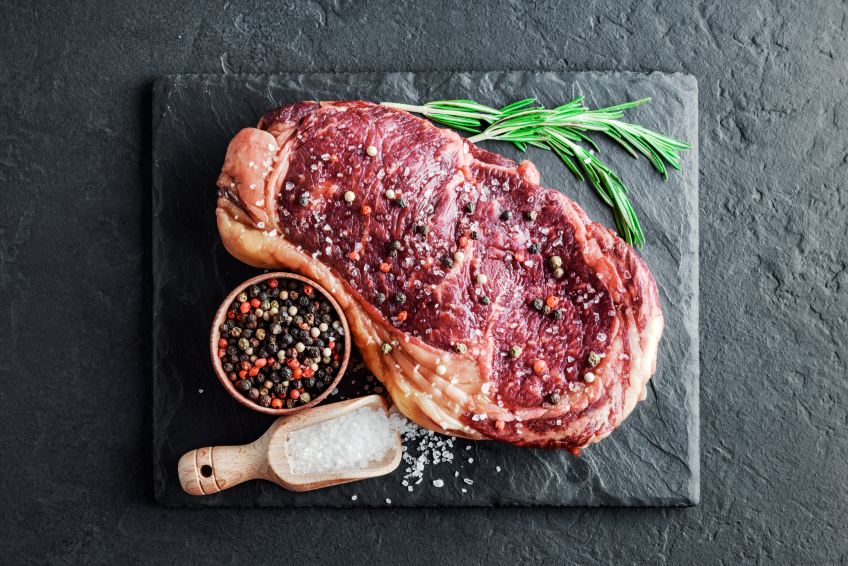 Your charcoal does not need extra flavor. It needs to burn cleanly and steadily. Layering proper seasoning onto your meat builds far more flavor than anything added to the coals. Use dry rubs, marinades, and sauces applied at the right time.
Build Flavor With Dry Rubs and Salt
Salt is one of the most important seasonings you will use. Careful seasoning draws moisture to the surface and helps the meat develop a better crust on the grill.
For thicker cuts, apply salt at least 40 minutes before cooking. This gives the salt time to move into the meat rather than remain on the surface.
Dry rubs add more flavor. A good rub combines salt, pepper, and spices such as smoked paprika, garlic powder, or cumin. Smoked paprika adds a smoky note even before the food touches the grill.
Coat the meat evenly and press the rub in with your hands. Let it sit for a few minutes so the spices stick before you move it to the grill.
Use Marinades Without Encouraging Flare-Ups
Marinades season food with a mix of acid, oil, and other ingredients. Acid, such as vinegar or citrus juice, affects the meat’s surface, while oil carries flavor and helps keep the food moist.
Marinating times vary. Chicken and fish typically need 30 minutes to 2 hours. Beef and pork can marinate for several hours or overnight.
Proper marinating infuses flavor deep into leaner proteins and tenderizes the meat before it meets the grill. Pat the food dry before placing it on the grill. Wet, oily marinade dripping onto hot coals can cause flare-ups that burn your food and leave a sooty taste.
If you want to use leftover marinade as a sauce, bring it to a boil first to kill bacteria from the raw meat.
Baste or Sauce Near the End of Cooking
Basting means brushing a liquid, such as melted butter or a thin sauce, onto food while it cooks. This adds moisture and a final layer of flavor. Regular basting keeps the meat surface moist and prevents drying over hot coals. A simple basting liquid can also help seasonings cling to the exterior.
Sugary sauces, such as barbecue sauce, burn quickly over high heat. Add them only during the last 5 to 10 minutes of cooking. Thicker bastes made with oil or butter can go on earlier because they are less likely to scorch. Brush on thin layers rather than one heavy coat.
Use a brush or small spoon to apply sauce evenly. Avoid oversaturating the food, since too much liquid can make the surface soggy.
Prevent Harsh Smoke and Balance the Final Flavor
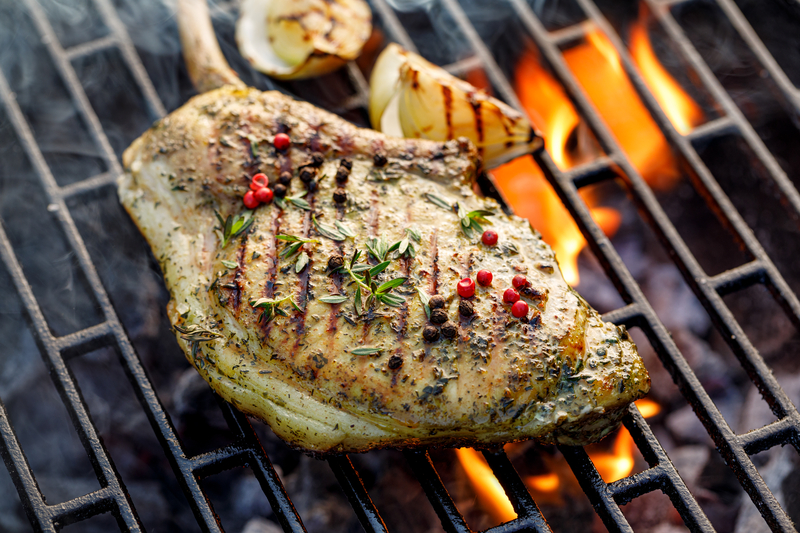 Too much smoke can ruin food rather than improve it. Smoke quality and the amount of wood you use both affect the flavor of your finished dish.
Aim for Light Smoke Rather Than Thick White Plumes
Not all smoke improves flavor. Thin, blue smoke gives food a clean taste, while thick, white smoke can make it taste bitter and harsh. Aim for smoke that is almost see-through. If heavy white clouds pour out, your fire may need more air. Open the vents wider to increase airflow.
Thick white smoke can occur when wood does not burn completely, producing creosote that sticks to food and tastes unpleasant. Thin blue smoke indicates cleaner combustion. For more on this difference, see this guide on getting deeper smoke flavor.
Check the smoke every 15 to 20 minutes during a long cook. If it turns thick and white, adjust the airflow.
Adjust the Amount of Wood Before Adding More
More wood does not always mean more flavor. Adding too much wood at once can make the smoke harsh. Start with a small amount, such as one or two wood chunks or a handful of wood chips. Let it burn before adding more.
Soaking wood chips for 30 to 45 minutes before use, since dry chips can burn quickly and create sharp, bitter smoke.
Here’s a simple way to check your wood amount:
- Light smoke smell: Your current amount is working well
- Strong smoke smell that lingers: Cut back on wood next time
- No smoke smell at all: Add a small amount more
Wait at least 10 minutes after adding wood before deciding whether you need more. This gives the smoke time to build without overwhelming your food.
Know When Other Smoking Options Make Sense
Wood chips and chunks are not your only options. Wood pellets burn steadily and work well in a dedicated smoker or pellet grill, giving you more control over smoke output.
You can also use wood pellets in a foil packet on a charcoal grill. Hardwood wood pellets ignite easily and produce a steady stream of clean smoke.
If you own a gas grill, you can still add smoky flavor. Fill a metal smoker box with wood chips and place it directly over the burner. This adds smoke flavor without requiring charcoal.
Liquid smoke is another option for indoor cooking or when you want a quick, mild smoky flavor. Add a few drops to marinades, sauces, or rubs. Use it sparingly because its flavor is strong and concentrated.
A few drops of liquid smoke added to a finishing mop can subtly replicate wood smoke when time is limited. Each method suits a different situation. Choose based on your equipment and how much time you have to cook.
FAQ: How to Add More Flavor to Your Charcoal Grill
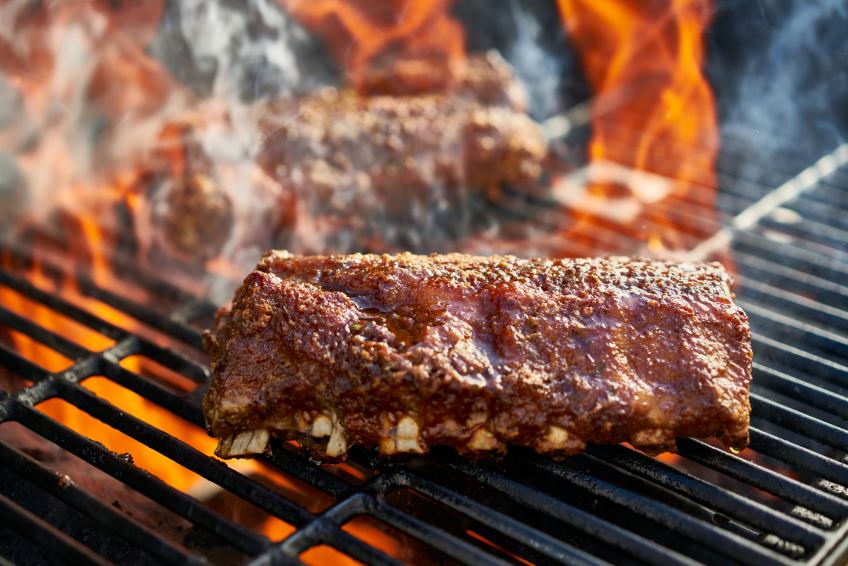 The easiest way to add more flavor to a charcoal grill is to combine good charcoal, wood smoke, proper seasoning, and controlled cooking temperatures. Allowing meat juices to hit hot charcoal can also create smoke and aromatic compounds that contribute to the characteristic grilled flavor.
Does Adding Wood Make Charcoal Grilling More Flavorful?
Yes. Adding wood chunks or chips can introduce additional smoke flavor to foods cooked over charcoal. Hickory, oak, apple, and cherry are commonly used, with each type producing a different aroma and intensity.
Should You Use Lump Charcoal or Briquettes for More Flavor?
Both can produce flavorful food, but they behave differently. Lump charcoal generally lights quickly and can produce a clean charcoal flavor, while briquettes provide more consistent heat and longer burn times.
Does Marinating Meat Add More Flavor on a Charcoal Grill?
Yes. A marinade can add flavor to the surface of meat before it reaches the grill. Marinades containing acidic ingredients, herbs, spices, or aromatics can also complement the smoky flavor produced during charcoal cooking.
How Do You Get More Smoke Flavor From a Charcoal Grill?
Use a moderate amount of suitable smoking wood and cook with the lid closed when the recipe calls for it. Keeping the lid closed helps retain heat and smoke around the food rather than allowing it to escape immediately.
Do Grill Drippings Make Food Taste Better?
They can contribute to grilled flavor. When fat and juices drip onto hot charcoal, they can vaporize or produce smoke that comes back into contact with the food, adding additional roasted and smoky aromas.
Does Cooking Over Direct Charcoal Give More Flavor?
Direct cooking places food directly over the heat source, encouraging browning, searing, and surface caramelization. It can produce a more intensely grilled flavor, although food that is exposed to excessive flames or heavy charring should be avoided.