

 You just lit your coals and want to know how long the fire will last.
A charcoal grill typically stays hot enough to cook for about 30 to 40 minutes without adding fuel or adjusting airflow. You can keep it going for hours by adding charcoal and managing the vents. The exact cooking time depends on the type and amount of charcoal, your target temperature, and airflow.
Charcoal grilling offers more control over heat than you might think. Factors such as briquettes versus lump charcoal, wind, and vent settings affect how long your fire lasts. Understanding these factors helps prevent the grill from cooling before your food is cooked.
This guide explains what affects heat retention in a charcoal grill and offers practical steps to keep your fire burning at the right temperature. Understanding how long a charcoal grill stays hot helps you plan meals with confidence. You’ll learn how to extend cooking time, when to add more coals, and how to tell when your grill is ready for food.
Typical Cooking-Heat Duration
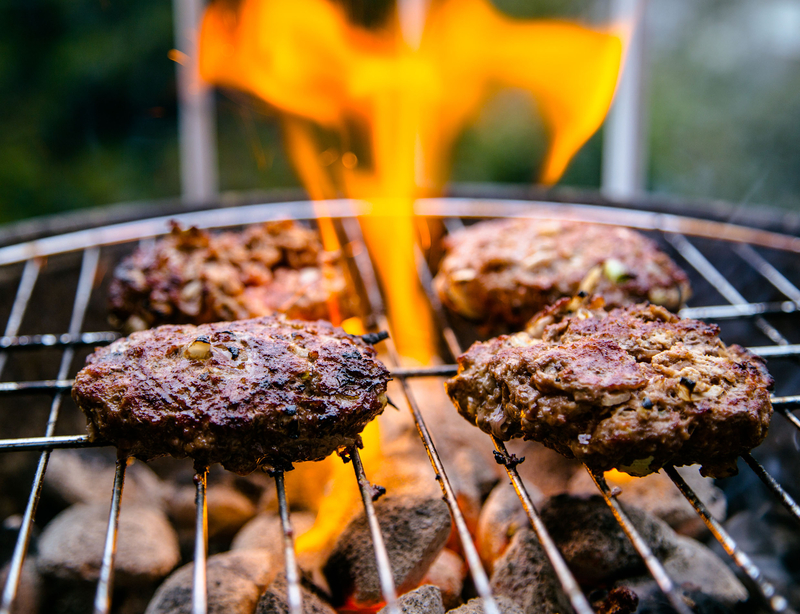 If you are planning a cookout, you might wonder, exactly how long does a charcoal grill stay hot? How long your charcoal grill stays hot depends on your target temperature. High-heat searing uses fuel quickly, while low-and-slow cooking can last for hours with the right setup.
High Heat for Searing Versus Moderate Heat for Grilling
For high-heat grilling, such as searing steaks or cooking burgers, coals typically stay hot enough for about 45 to 90 minutes. This intense burn uses fuel quickly, so plan to cook while the temperature is high.
Moderate heat typically lasts longer because you use fewer coals and keep the vents partly closed. You can expect this setup to maintain cooking heat for around 1 to 2 hours, depending on the grill and conditions.
Moderate heat suits food that needs more time to cook through, such as chicken or thick vegetables. If food burns on the outside but stays raw inside, the grill temperature may be too high for the cooking method.
How Low-and-Slow Setups Extend Cooking Time
Low-and-slow setups are ideal for slow cooking and smoking meats like brisket or pork shoulder. Keep the temperature low, usually around 225 to 275 degrees Fahrenheit, and cook the food slowly over several hours.
To maintain this temperature, use a setup that burns coals gradually rather than all at once. One common method is the charcoal snake, in which coals are arranged in a line so they ignite one after another.
This method can keep a grill hot for 6 to 12 hours, depending on the amount of charcoal, grill design, and airflow. A kamado-style grill can hold heat even longer because its insulated body retains warmth better than a typical open kettle grill.
Cooking Heat Versus Residual Heat After the Fire Dies
Cooking heat is different from the residual warmth left after the fire dies down. Once the coals stop glowing, the grill may remain warm, but that residual heat is not reliable for cooking food safely.
The inside of your grill might stay warm for 15 to 30 minutes after the fire goes out. Don’t rely on residual heat to finish cooking food that needs to reach a safe internal temperature.
Residual heat can help with simple tasks, such as melting cheese on a burger or toasting a bun. For other cooking, you need active coals rather than leftover warmth.
How to Check the Temperature at the Grate
A grill thermometer is the most reliable way to check the cooking temperature. Built-in lid thermometers may not reflect the temperature at the grate because they measure the air near the lid.
A separate grate-level thermometer gives you a more accurate reading. Place it on the cooking surface and check the temperature before adding food.
If you don’t have a thermometer, you can use the hand test. Hold your hand about 5 inches above the grate. If you can keep it there for only 2 to 3 seconds, the heat is high. If you can hold it there for 5 seconds or more, the heat is lower and better suited to slower cooking.
How Fuel Choice and Quantity Affect Burn Time
 The amount of charcoal you use and your choice between charcoal types affect how long your fire lasts. Deciding between lump charcoal, charcoal briquettes, or wood pellets also affects how steadily the heat holds during cooking. Different charcoal types burn at unique rates and temperatures. Knowing how these fuels perform makes it easier to predict how long does a charcoal grill stay hot for any barbecue recipe.
Lump Charcoal Versus Briquettes
Lump charcoal, often labeled as natural hardwood charcoal, is made from hardwood burned in a low-oxygen environment. It lights quickly and can burn hotter than briquettes, but its irregular pieces may burn less evenly and need more frequent attention.
Standard charcoal briquettes are compressed blocks made from charcoal and other ingredients. Their uniform shape helps them burn more steadily and consistently than lump charcoal, though they may not reach the same peak temperatures.
Here’s a quick comparison:
| Feature | Lump Charcoal | Briquette Charcoal |
|---|---|---|
| Burn speed | Often faster | Often slower |
| Heat output | Can reach higher temperatures | Typically more moderate |
| Consistency | Less uniform | More uniform |
| Ash produced | Usually less | Usually more |
For strong searing heat, lump charcoal can burn hotter, while briquettes often provide a steadier burn.
Choosing Enough Charcoal for the Planned Cook
Match the amount of charcoal to your cooking time and target temperature. A short, hot grilling session needs less fuel than a long, low-heat cook.
Using too much charcoal for a quick meal can waste fuel, since unused charcoal may continue to burn after the food is done. Using too little can leave you without enough heat to finish cooking.
For longer cooks, plan to add more coals as needed instead of loading all the fuel at once. This helps maintain steady heat without making the grill too hot at the start.
Why Wood Pellets Are a Different Fuel
Wood pellets are made from compressed sawdust and are primarily designed for pellet grills and smokers, not standard charcoal grills. They burn differently from lump charcoal and briquettes.
Pellet grills use a hopper and auger to feed fuel into the fire automatically. This system helps control temperature, but it works only in grills designed for pellets.
In a regular charcoal grill, wood pellets burn differently and do not provide the same steady heat as charcoal. They can be used as a flavoring addition, but charcoal should remain the main fuel.
Other Factors That Change Heat Duration
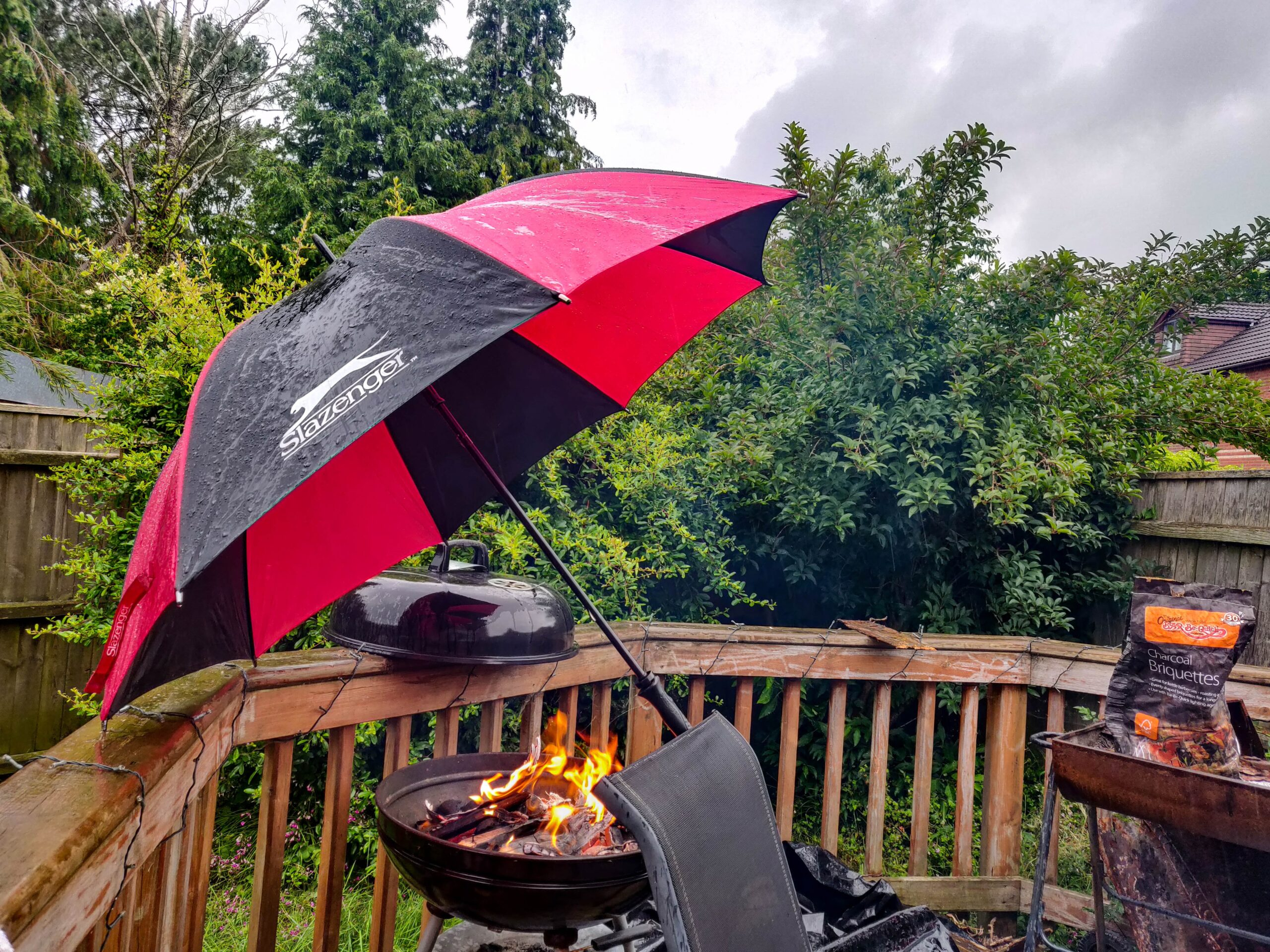 Overall charcoal heat retention depends on more than fuel. Grill design, airflow management, and outdoor conditions all affect how long your coals stay hot.
Lids, Insulation, and Grill Size
Keeping the lid closed traps heat inside the grill and helps maintain a steady cooking temperature. With the vents set appropriately, this can also slow charcoal consumption during long cooks.
Grill design and ventilation matter, too. Thick metal or ceramic grills, such as kamado-style cookers, generally retain heat better than thin-walled steel grills because their materials provide more insulation.
Grill size also affects heat distribution. A smaller grill has less cooking space to heat, while a larger grill may need more fuel to maintain an even temperature across the grate.
Vent Settings and Oxygen Supply
Grill vents control how much air reaches the coals. More airflow feeds the fire and raises the temperature, but it also makes your charcoal burn faster.
Partly closing the vents slows the burn and can extend cooking time, but it also lowers the grill temperature. This is the basis of airflow management: you balance heat intensity against burn duration.
Adjust both the top and bottom vents to control the fire. The bottom vent regulates incoming oxygen, while the top vent helps control airflow through the grill and the release of smoke and heat.
For high-heat searing, open both vents wide. For longer, lower-heat cooks, close them most of the way but leave a small gap to maintain airflow.
Wind, Cold, and Wet Weather
Weather conditions can significantly affect how long charcoal stays hot. Wind entering open vents adds oxygen, which can make coals burn hotter and faster.
Cold temperatures also affect burn time. Your grill loses heat to the surrounding air, so the coals must burn more to maintain the same cooking temperature as on a warm day.
Rain and high humidity can lower the temperature inside the grill. Wet conditions draw heat from the grill’s metal surfaces and may shorten the effective cooking time. Adverse weather conditions demand more fuel and closer attention to your vents throughout the cook. Setting up a windbreak or choosing a sheltered location helps counter these environmental challenges.
Fire Setups for Short and Long Cooks
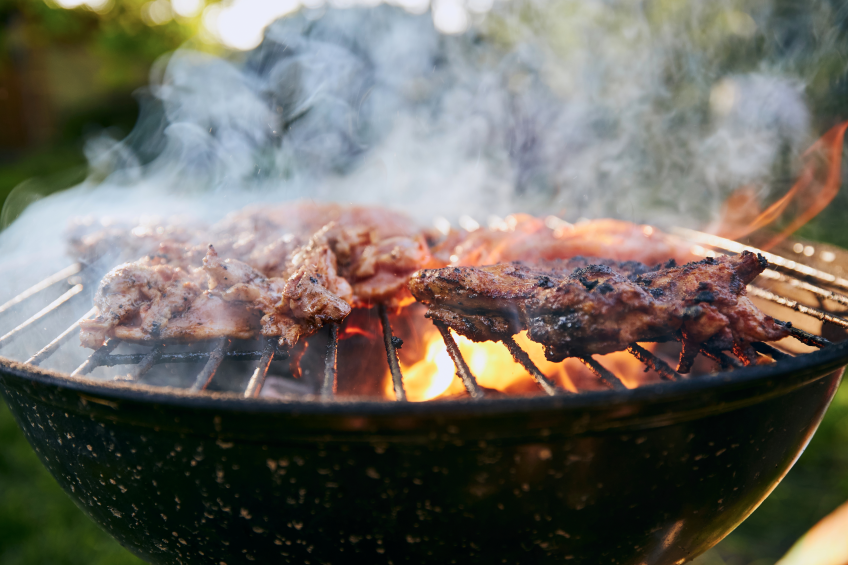 Your charcoal arrangement matters as much as the amount of charcoal you use. A quick dinner needs a different setup than a slow-cooked roast, and choosing the right method helps you control the heat. Selecting the right charcoal arrangement ensures the coals burn at a steady, predictable pace throughout your session.
Lighting Coals Evenly With a Chimney Starter
A chimney starter is an easy way to light charcoal evenly without lighter fluid. Fill the chimney with briquettes or lump charcoal, place crumpled newspaper underneath, and light it.
Within 10 to 15 minutes, the coals at the top will turn gray and ashy, indicating they are ready to pour into your grill.
Using a charcoal chimney starter provides more even heat than lighting a pile of unlit coals with lighter fluid, and it helps prevent chemical flavors from affecting your food. Pouring coals from a charcoal chimney creates a clean, reliable foundation for cooking. Once lit, transfer them into the grill and set up your firebox.
Building a Two-Zone Fire for Flexible Cooking
A two-zone fire creates direct and indirect heat in the same grill. Push the lit coals to one side and leave the other side empty.
This setup gives you superior temperature control during charcoal grilling. You can sear food over the hot side, then move it to the cooler side to finish cooking without burning the outside.
Here is how a basic two-zone fire works:
- Hot side: Direct heat for searing and quick-cooking foods.
- Cool side: Indirect heat for slower cooking or finishing thicker cuts.
- Vent control: Partially closing the vents helps control how quickly the coals burn.
Most two-zone kettle grill setups stay hot for about 1½ to 3 hours, making them suitable for meals that take 30 minutes to an hour to cook.
Using the Snake Method for a Longer, Slower Burn
The snake method is designed for long cooks, such as ribs or pulled pork, that need steady, low heat for several hours. Arrange unlit charcoal briquettes around the edge of the grill in a curved row, stacking them two or three briquettes high.
Light one end of the row. The fire gradually spreads along the snake, burning the coals one at a time instead of all at once.
This snake-style charcoal setup can maintain a steady, low temperature for 6 to 12 hours, depending on your grill and airflow management. Adding wood chunks along the snake can also provide steady smoke flavor throughout the cook.
Keeping the Grill at Cooking Temperature
 Your grill temperature will drop as the coals burn down, but a few simple habits can extend your cooking window. Check the heat regularly and adjust it as needed to keep food cooking as planned.
Monitoring Heat and Adjusting the Vents
Controlling your charcoal grill heat starts with accurate measurements. A grill thermometer is the easiest way to monitor the temperature inside your grill. Built-in lid thermometers can be inaccurate because they sit farther from the cooking grate, so a separate probe thermometer can give you a more useful reading at grate level.
Airflow controls how hot the fire burns. Opening the grill vents gives the coals more oxygen and raises the heat. Partially closing them slows the burn and lowers the temperature.
Check the grill temperature every 15 to 20 minutes during an extended session of charcoal grilling. If it drops, open the vents slightly before adding more fuel. Small adjustments can often correct minor temperature drops.
Adding Charcoal Mid-Cook Without a Large Temperature Drop
Carefully planned adding charcoal mid-cook keeps your cooking surface steady for extended barbecue sessions. Adding a large pile of cold coals mid-cook can cause the temperature to drop suddenly.
Instead, use a chimney starter to light fresh charcoal before you need it. A compact charcoal chimney makes preparing supplementary fuel quick and convenient.
Once the new coals are coated in gray ash, add them around the edge of the existing fire. This helps maintain the heat without smothering the fire with unlit fuel.
Add 10 to 12 coals at a time for most grills. For longer cooks, such as smoking, you may need to repeat this roughly every half hour to maintain a consistent temperature.
Troubleshooting a Fire That Is Fading Too Soon
If your fire is dying out faster than expected, check the vents first. Ash buildup can block airflow and choke the fire, so clear it away if the coals are buried in ash.
Damp or old charcoal is another common cause. Charcoal that has absorbed moisture may not burn hot enough, even if it lights.
Try these quick fixes if the fire fades early:
- Stoke the coals with a grill tool to expose fresh embers to air.
- Open the vents fully to increase oxygen flow.
- Add a few sheets of crumpled newspaper for a brief, controlled burst of heat.
- Check for wind or rain affecting airflow, and reposition the grill if needed.
Cooling Down and Handling Coals Safely
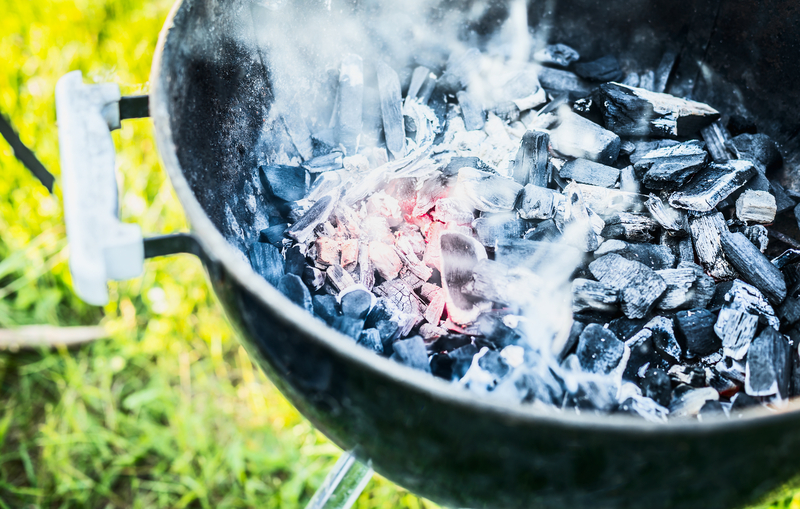 Putting out your grill properly helps prevent accidents after cooking. Knowing how long charcoal stays hot and how to handle the ash can help you avoid burns and fire risks.
Extinguishing the Fire and Allowing the Grill to Cool
Close the lid and shut the air vents when you finish grilling. This cuts off oxygen and helps the coals go out.
Leave the grill undisturbed for at least an hour before touching anything inside. Charcoal can stay hot for several hours after cooking, so don’t rush this step.
If you need the coals to cool faster, spread them out with long-handled tongs. This disperses the heat and speeds up the grill’s cooling process. Always wear heat-resistant gloves when handling hot charcoal to avoid severe burns.
Handling and Disposing of Ash and Hot Charcoal
Safe routines for handling hot charcoal protect you from accidental burns. Wait until the ash looks fully gray and feels cool before handling it. Even then, use a metal scoop rather than your hands.
Place the ash and any leftover charcoal in a lidded metal container. Never use a plastic bag or cardboard box, because hidden embers can start a fire hours later.
Set the metal container on concrete or bare dirt, away from your house, deck, and dry plants. Leave it there for at least 24 hours before disposing of the ash. This matters because handling hot charcoal too soon can cause burns or start a fire.
Why Lighter Fluid Should Never Be Added to Hot Coals
Never pour lighter fluid onto lit or warm coals. Its fumes can ignite instantly, sending flames back toward your hands, arms, or face.
This also applies to coals that look dark but still hold heat beneath the surface. Adding lighter fluid can cause a sudden flare-up with little warning.
If your fire is dying down and you want more heat, add fresh charcoal instead. Let it ignite from the existing coals, or light a new batch in a chimney starter away from the grill.
Kettle Grills Retain Heat for Longer
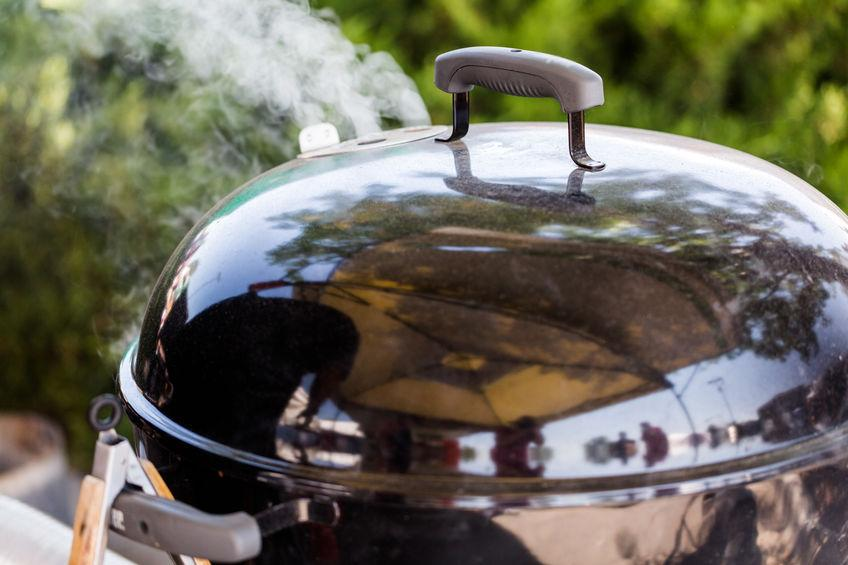 Kettle grills generally retain heat longer than many flat-bottomed or large drum-shaped charcoal grills, making them an excellent choice for consistent cooking.
Even affordable kettle models can provide four or more hours of usable heat when loaded with high-quality lump charcoal or briquettes, depending on airflow, weather conditions, and how the grill is managed.
The Weber Original Kettle is one of the most popular and reliable charcoal grills available. It offers excellent value for money and features a convenient one-touch cleaning system that makes ash removal easier.
For a more premium option, consider the Weber Premium Kettle also includes a one-touch cleaning system, helping simplify cleanup after grilling.
Char-Broil is another reliable option worth considering. The TRU-Infrared Kettleman Grill features TRU-Infrared technology designed to distribute heat more evenly across the cooking surface, helping reduce hot and cold spots for more consistent results.
Ultimately, how long a charcoal grill stays hot depends on its design, the type and amount of charcoal used, and how well airflow is controlled. Kettle grills are an excellent choice for maintaining steady heat for several hours, making them suitable for everything from quick weeknight meals to longer grilling sessions. Choosing a quality grill and managing the air vents properly will help you get the most heat and cooking time from your charcoal.
FAQ:How Long Will a Charcoal Grill Stay Hot?
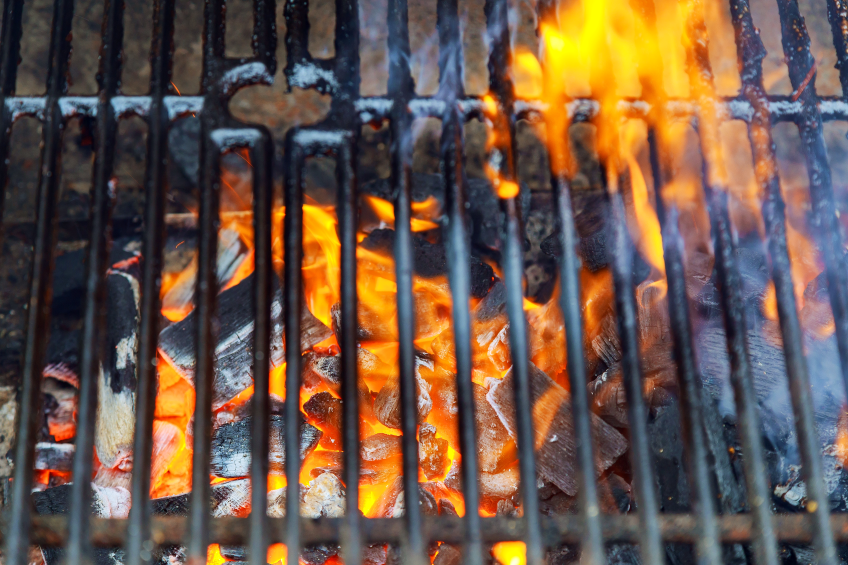 A charcoal grill typically stays hot enough for cooking for 1–2 hours, although it can remain warm for several hours afterward. The exact duration depends on the amount and type of charcoal, airflow, grill design, weather conditions, and whether the lid is open or closed. A full load of charcoal in a well-insulated grill can maintain useful cooking temperatures longer than a small fire in an open kettle grill.
How Long Does Charcoal Stay Hot Enough to Cook?
For many standard charcoal grills, a typical cooking session lasts around 1–2 hours on a single load of charcoal. High-heat grilling uses fuel more quickly, while low-and-slow cooking can last considerably longer when the fire is managed carefully.
Lump charcoal often burns hotter initially, while briquettes tend to provide more consistent heat. However, burn time varies by brand, charcoal size, and airflow.
How Long Does a Charcoal Grill Stay Hot With the Lid Closed?
Closing the lid helps retain heat and control airflow. With the vents adjusted appropriately, a charcoal grill may maintain cooking temperatures for one to several hours, depending on the fuel load and grill design.
Opening the lid frequently allows heat to escape and can increase charcoal consumption. For longer cooking sessions, monitor the grill thermometer and adjust the vents gradually.
How Long Does Charcoal Stay Hot After Cooking?
Charcoal can remain hot and produce embers for several hours after cooking ends. Even when visible flames disappear, the remaining coals can retain enough heat to cause severe burns or ignite combustible materials.
Never assume the grill is safe to handle simply because the fire appears to be out. Keep children, pets, and flammable items away until the coals and ashes have cooled completely.
How Can You Make Charcoal Last Longer?
To extend a charcoal grill’s cooking time:
- Use enough charcoal for the cooking method and duration.
- Keep the lid closed when appropriate.
- Adjust the air vents to control oxygen flow.
- Avoid opening the lid unnecessarily.
- Use indirect heat for longer cooking sessions rather than maintaining an unnecessarily intense fire.
Do not close the grill’s vents and immediately assume the charcoal is extinguished. Allow the grill to cool fully before disposing of ashes, following the manufacturer’s instructions.
Does Lump Charcoal or Briquette Charcoal Last Longer?
Briquettes often burn at a relatively steady rate, making them useful for predictable cooking sessions. Lump charcoal can reach higher temperatures quickly and may burn faster, although large, dense pieces can last a long time.
The best option depends on the grill, the cooking temperature, and whether you are searing steaks or cooking food slowly over indirect heat.