

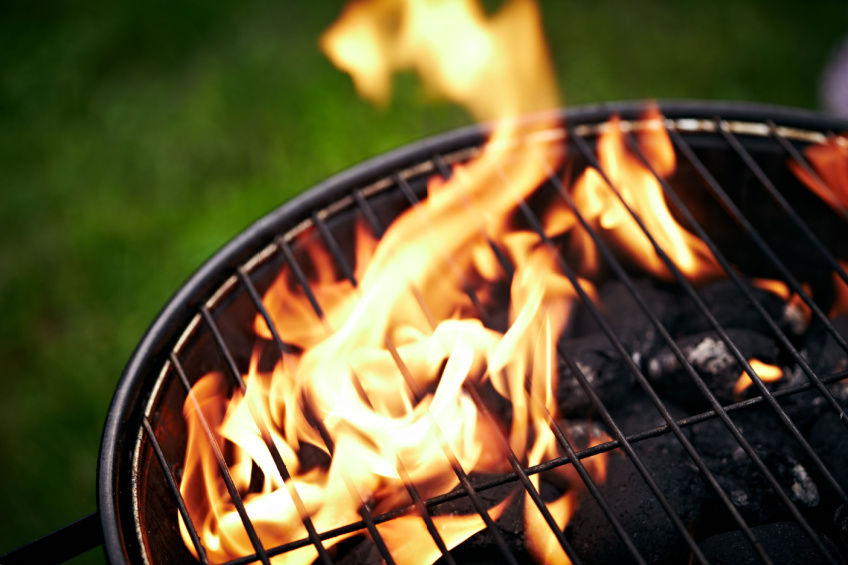
 Grilling enthusiasts face a common dilemma when choosing between charcoal, gas, and electric grills.
While gas grills offer convenience and electric models provide simplicity, many people wonder if the traditional charcoal grill still deserves a spot in modern outdoor cooking.
Charcoal grills are worth it for those who prioritize authentic smoky flavor and don’t mind investing extra time and effort into their grilling experience.
These grills excel at creating the classic barbecue taste that gas and electric models struggle to match.
However, they require more preparation time, cleanup, and ongoing fuel costs compared to other options.
The decision comes down to what matters most to each griller.
This guide examines the unique features that set charcoal grills apart, compares them directly to gas alternatives, and explores both their advantages and challenges.
Understanding these factors helps anyone determine whether a charcoal grill fits their cooking style, budget, and outdoor entertaining needs.
Charcoal Grills: What Makes Them Unique?
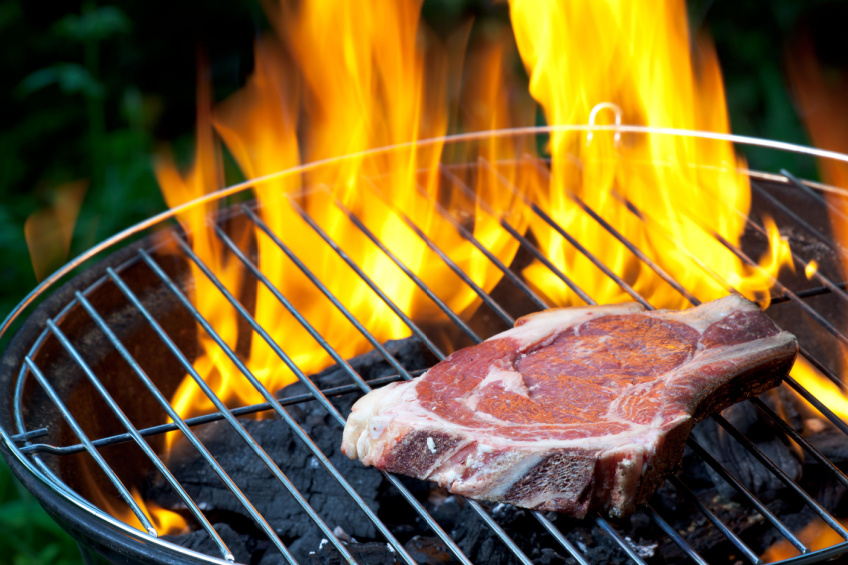
Charcoal grills stand apart from gas and electric models through their heat source, construction design, and the distinct cooking experience they provide.
These grills use burning charcoal to create high temperatures and smoky flavors that define traditional barbecue cooking.
Core Components and Functionality
A charcoal grill operates through a simple but effective design.
The main components include a fire bowl or firebox that holds the charcoal, cooking grates positioned above the heat source, and ventilation dampers that control airflow.
The fire bowl sits at the bottom of the grill.
It contains the burning charcoal and collects ash during cooking. Most fire bowls have holes or slots that allow air to reach the coals.
Cooking grates made from steel or cast iron rest above the charcoal.
These grates hold the food and transfer heat through direct contact.
Some grills include multiple grate levels for different cooking zones.
Ventilation dampers appear at the bottom and top of most charcoal grills.
Bottom vents pull air into the fire bowl to feed oxygen to the coals.
Top vents allow hot air and smoke to escape.
Temperature control happens by adjusting these vents.
More airflow creates hotter temperatures, while restricted airflow reduces heat.
Users also control temperature by arranging coals in different patterns or adding more fuel.
Types of Charcoal Grills
Kettle grills represent the most common charcoal grill design.
These round, bowl-shaped grills feature a hinged lid and tripod legs.
Weber popularized this design, making kettle grills synonymous with backyard cooking.
Kamado-style grills use thick ceramic walls that retain heat efficiently.
These egg-shaped grills excel at both high-temperature searing and low-temperature smoking.
They cost more than basic kettles but offer superior heat retention.
Portable charcoal grills provide compact cooking for camping, tailgating, and small spaces.
These lightweight models often fold flat or have removable legs for easy transport.
Barrel grills feature a horizontal cylinder design with cooking space on one or both sides.
They offer more cooking surface area than kettles but take up more yard space.
Hibachi grills are small, rectangular units perfect for apartment balconies or single-person cooking.
These simple grills focus on direct, high-heat cooking.
Popular Brands and Designs
Weber dominates the kettle grill market with models ranging from basic 18-inch units to premium 26-inch versions.
Their Original Kettle series offers reliable performance at reasonable prices.
When it comes to charcoal grills, the Weber Kettle is practically a household name.
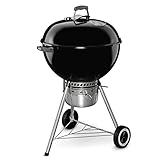 The Weber Original Kettle Premium 22-inch carries that legacy forward while adding a few upgrades that make grilling more convenient without straying from its iconic design.
Char-Griller produces affordable kamado grills and combination units.
Their models often include side fireboxes for smoking capabilities alongside direct grilling space.
 The AKORN Jr. is perfect if you want kamado versatility in a smaller, more portable grill.
It won’t replace a full-size smoker for large cookouts, but for compact spaces, quick sears, or smoky meals on the go, it’s a strong little performer.
Lodge produces cast iron hibachi grills that excel at high-heat searing.
These compact units work well for small-batch cooking and deliver excellent heat retention.
 If you like rugged, old-school cooking gear, the Lodge Sportsman’s Cast Iron Pro Grill is as solid as they come.
Made entirely from cast iron, this hibachi-style charcoal grill is built for durability and heat retention, delivering consistent, flavorful results.
With a compact footprint, it’s great for tailgating, camping, or backyard grilling for small groups.
The design includes adjustable grates for heat control and a draft door to regulate airflow.
And because it’s cast iron, it not only cooks evenly but will last for generations if cared for properly.
Best charcoal grills typically balance build quality, cooking performance, and price.
Top-rated models feature sturdy construction, effective ventilation systems, and user-friendly designs that make temperature control manageable.
Comparing Charcoal Grills to Gas Grills
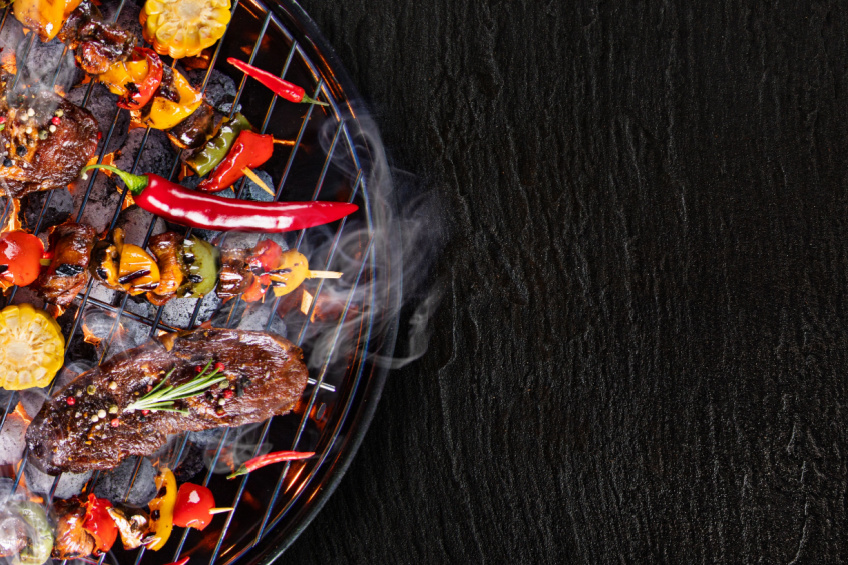
Charcoal grills excel at delivering authentic smoky flavor and reaching extreme temperatures, while gas grills offer quick setup and precise temperature control.
The choice between these two outdoor cooking methods depends on your grilling priorities and cooking style.
Flavor Differences and Cooking Results
Charcoal grills produce superior smoky flavor through burning wood and charcoal.
Fat drips onto hot coals and creates flavorful smoke that penetrates food.
This process delivers the classic BBQ taste many grillers crave.
Gas grills provide mild smokiness from fat hitting metal bars or flavorizers.
They work well for fast-cooking foods like burgers and chicken.
The flavor difference becomes less noticeable with quick-cooking items.
Charcoal transforms into a powerful smoker when wood chunks are added.
The coals create an environment where smoke deeply infuses meat during long cooks.
Gas grills struggle to trap smoke effectively due to their design.
For serious BBQ enthusiasts, charcoal delivers authentic results.
Gas suits those who want decent flavor without the effort.
Performance and Versatility
Charcoal grills reach much higher temperatures than gas models.
They can hit 1200°F or more for perfect searing.
Gas grills typically max out around 600°F.
Temperature ranges show the difference:
- Charcoal: Very low to 1200°F+
- Gas: 225°F to 600°F
Charcoal excels at indirect cooking for large cuts like brisket and ribs.
Grillers can stack coals on one side for hours-long cooks.
The fuel burns slowly and maintains steady heat.
Gas grills heat evenly across the cooking surface.
Multiple burners allow different temperature zones.
This setup works great for cooking various foods at once.
Charcoal requires more fuel management during long sessions.
Gas provides consistent heat as long as the tank has fuel.
Ease of Use and Setup
Gas grills win easily for convenience.
Users attach a propane tank, turn a knob, and wait 5-10 minutes for heating.
Temperature adjustment happens instantly with control dials.
Charcoal grills need 30+ minutes for proper setup.
The process involves lighting coals in a chimney starter and waiting for them to ash over.
Hot coals must be arranged carefully in the grill.
Temperature control differs greatly between the two.
Gas offers “set it and forget it” cooking with precise adjustments.
Charcoal requires constant attention and skill to maintain proper heat levels.
Cleanup also favors gas grills.
They need occasional grease tray emptying and grate cleaning.
Charcoal creates ash that must be disposed of after every cook session.
Wind and weather affect charcoal performance more than gas.
Outdoor conditions can make charcoal temperature control even trickier for beginners.
Major Benefits of Charcoal Grilling

Charcoal grills deliver intense smoky flavors that gas and electric grills cannot match, along with extreme heat levels that create perfect sear marks on steaks and other meats.
These grills also provide the traditional hands-on grilling experience that many BBQ enthusiasts crave for their backyard barbecues.
Superior Smoky Flavor
Charcoal grilling creates a distinctive smoky taste that sets it apart from all other cooking methods.
When charcoal burns, it releases natural compounds that infuse directly into the food.
This smoky flavor becomes especially noticeable with steaks, chicken, and vegetables.
The smoke penetrates the surface of the meat and creates deeper, richer tastes.
Gas grills cannot produce this same flavor profile.
Electric grills also lack this smoky element entirely.
The type of charcoal affects the flavor intensity.
Lump charcoal provides stronger smoky notes than briquettes.
Hardwood charcoals like oak or hickory add even more complex flavors.
Many pitmasters and grill experts consider this smoky taste the main reason to choose charcoal.
The flavor difference is clear when comparing identical foods cooked on charcoal versus gas grills.
High Heat and Exceptional Searing
Charcoal grills reach much higher temperatures than gas or electric alternatives.
They can easily hit 700-800°F in the cooking area.
This extreme heat creates perfect grill marks on steaks and other proteins.
The high temperature causes immediate searing that locks in juices.
Searing steaks requires intense heat that only charcoal provides consistently.
Gas grills typically max out around 500-550°F, which limits their searing ability.
The intense heat also reduces cooking times significantly.
Thick steaks that might take 12-15 minutes on gas grills can finish in 8-10 minutes on charcoal.
Users can control heat zones by moving coals around.
This creates different temperature areas for various cooking needs on the same grill surface.
Authentic Grilling Experience
Charcoal grilling provides the traditional grilling experience that connects people to outdoor cooking roots.
The process involves lighting coals, managing airflow, and monitoring temperatures manually.
This hands-on approach appeals to those who enjoy active participation in their cooking.
Each step requires attention and skill development.
Backyard barbecues often center around charcoal grills because they create social gathering points.
Friends and family naturally gather around the grill to watch the cooking process.
The ritual of starting charcoal and tending the fire adds ceremony to outdoor cooking.
Many grill enthusiasts prefer this involvement over simply turning gas knobs.
BBQ traditions historically used wood and charcoal exclusively.
Using charcoal maintains these authentic cooking methods that have been passed down through generations.
Potential Drawbacks of Charcoal Grills
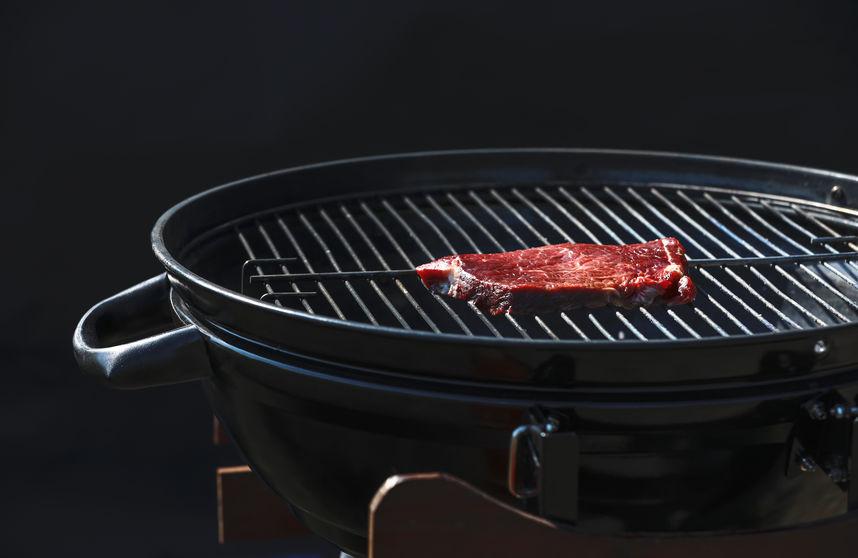
Charcoal grills require more time to set up and maintain compared to gas grills, and controlling temperature can be tricky without practice.
Users also deal with ash cleanup after every cooking session.
Temperature Control Challenges
Controlling temperature on charcoal grills takes skill and patience.
Unlike gas grills with knobs, charcoal grills rely on dampers and air vents to adjust heat levels.
The bottom dampers control airflow to the coals.
More air creates higher temperatures, while less air reduces heat.
Top vents help regulate cooking temperature by controlling how much hot air escapes.
Temperature swings happen often during cooking.
Hot spots develop over direct coals while cooler zones form away from the heat source.
This makes it hard to cook food evenly.
Direct heat cooking works well for steaks and burgers but requires constant watching.
Indirect heat cooking needs careful coal placement and damper adjustments to maintain steady temperatures.
Wind and weather affect temperature control too.
Cold days make it harder to reach high heat, while windy conditions can cause temperature spikes.
Setup Time and Maintenance
Charcoal grills need 20-30 minutes of prep time before cooking starts.
Coals must heat up and turn gray before they’re ready for food.
Lighting charcoal takes several steps:
- Arrange coals in the grill
- Add lighter fluid or use a chimney starter
- Wait for coals to ash over
- Spread coals for cooking zones
Regular maintenance keeps charcoal grills working well.
Grill grates need scrubbing after each use to remove stuck food and grease.
The firebox requires cleaning to prevent rust and damage.
Old grease and food particles can affect taste and cause flare-ups during cooking.
Replacement parts like grates and dampers wear out over time.
These costs add up compared to the simpler maintenance needs of gas grills.
Ash Production and Cleanup
Every charcoal cooking session creates ash that needs removal.
Hot coals burn down to fine gray powder that collects in the bottom of the grill.
Most charcoal grills include an ash catch pan or removable tray.
These catch some ash but don’t eliminate the cleanup completely.
Ash still escapes and spreads around the grill area.
Wind blows ash around during and after cooking.
This creates mess on patios, decks, and outdoor furniture nearby.
Ash disposal safety matters because coals stay hot for hours after cooking ends.
Users must wait for complete cooling before removing ash or risk starting fires.
The cleanup process takes extra time after every grilling session.
Users need to sweep up scattered ash and wash the ash catch system regularly.
Ash clogs air vents and dampers if not cleaned often.
This affects airflow and makes temperature control even harder during future cooking sessions.
Fuel Choices and Their Impact
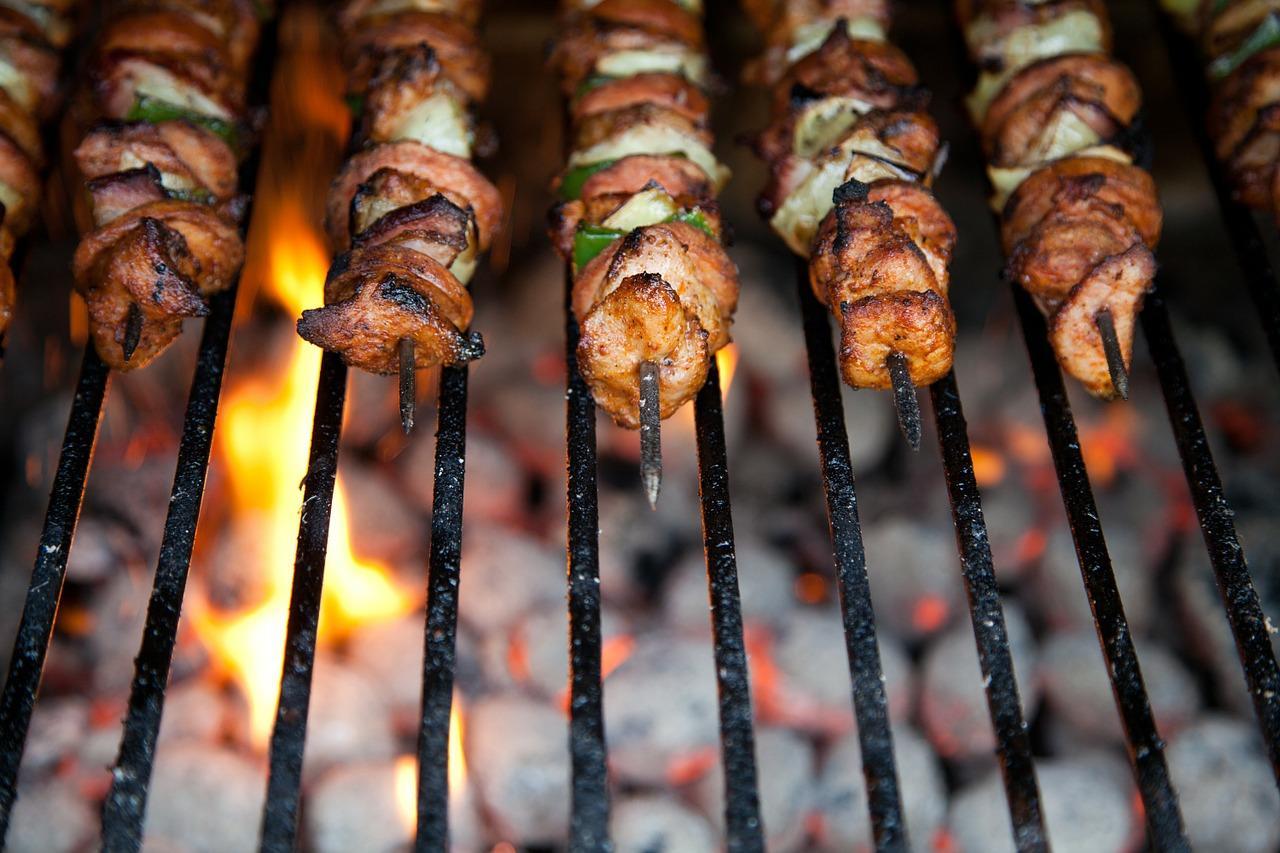
The type of charcoal fuel affects both cooking performance and long-term expenses.
Different charcoal options burn at varying temperatures and last different amounts of time, directly impacting your grilling costs.
Charcoal Briquettes vs Lump Charcoal
Charcoal briquettes offer consistent burn times and uniform heat distribution.
They contain binding agents and fillers that help them maintain their shape.
Most briquettes burn for 60-90 minutes at steady temperatures.
Briquettes cost less per pound than lump charcoal.
They stack neatly and light more predictably.
However, they produce more ash and may add chemical flavors from their additives.
Lump charcoal burns hotter and cleaner than briquettes.
It reaches temperatures up to 1000°F and produces less ash.
Lump charcoal lights faster and responds quickly to airflow changes.
The irregular shapes of lump charcoal create hot spots in the grill.
It burns faster than briquettes, typically lasting 30-60 minutes.
Lump charcoal costs 20-40% more than briquettes but many grillers prefer its natural wood flavor.
Fuel Efficiency and Running Costs
A typical grilling session uses 2-3 pounds of charcoal briquettes or 1.5-2.5 pounds of lump charcoal.
Briquettes cost $0.80-$1.20 per pound while lump charcoal ranges from $1.20-$2.00 per pound.
Annual fuel costs vary based on grilling frequency:
| Grilling Frequency | Briquettes Cost | Lump Charcoal Cost |
|---|---|---|
| Weekly (52 times) | $85-$190 | $95-$260 |
| Monthly (12 times) | $20-$45 | $22-$60 |
Lump charcoal burns more efficiently per pound but costs more upfront.
Weather conditions and grill ventilation affect burn rates for both fuel types.
Proper storage keeps charcoal dry and maintains its burning efficiency.
Choosing the Right Charcoal Grill for You
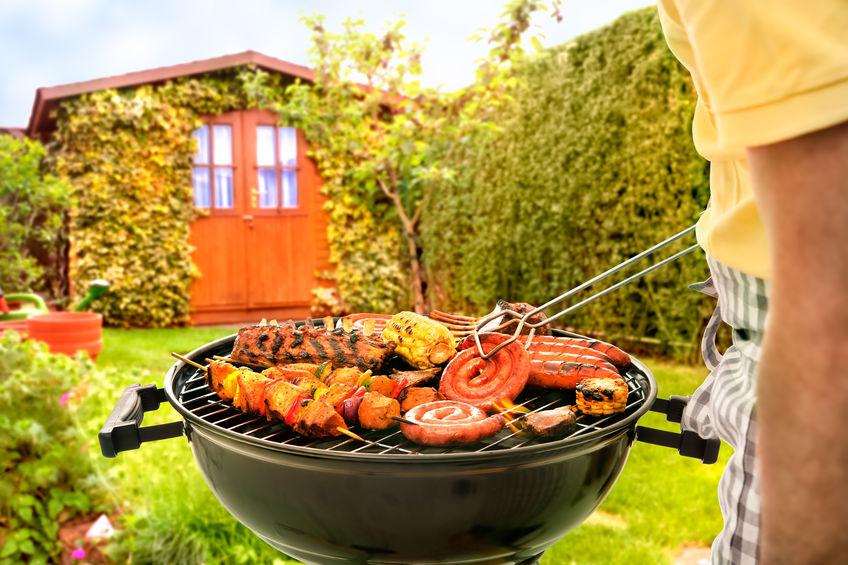
The best charcoal grills match your specific cooking needs, available space, and lifestyle.
Key factors include cooking capacity, essential features like dampers for temperature control, and whether you need a portable option.
Assessing Cooking Space and Size
Cooking space determines how much food you can prepare at once.
Most people need between 300-400 square inches for a family of four.
A standard kettle grill offers around 360 square inches of cooking area.
This works well for burgers, steaks, and chicken for small groups.
Larger families or those who entertain often should look for 500+ square inches.
Kamado-style grills often provide this extra space while maintaining heat efficiency.
Small spaces call for compact models.
Many portable charcoal grills offer 200-250 square inches, which handles meals for 2-3 people.
Consider vertical cooking space too.
Some grills include warming racks that add 50-100 square inches above the main grate.
Important Features to Consider
Dampers control airflow and temperature in your grill.
Look for models with both top and bottom vents for better heat management.
Quality grill grates make a difference.
Cast iron retains heat well but needs maintenance.
Stainless steel cleans easier and resists rust.
Temperature gauges help monitor cooking heat without lifting the lid.
Built-in thermometers save time and improve results.
Ash removal systems simplify cleanup.
Some best charcoal grills include removable ash pans or one-touch cleaning features.
Consider fuel efficiency.
Well-designed grills use less charcoal while maintaining steady temperatures for longer cooking sessions.
Portability and Flexibility
Portable charcoal grill options work for camping, tailgating, or small patios.
These usually weigh 20-30 pounds and have foldable legs.
Wheeled models offer the best of both worlds.
They provide stability at home but move easily around your yard or deck.
Some grills convert between different cooking styles.
Certain models work as smokers, grills, or even pizza ovens with the right accessories.
Storage matters for portable units.
Compact designs that nest together or have removable parts save space in garages or RVs.
Kettle grill designs balance portability with cooking performance.
They’re lighter than kamado grills but offer more space than truly portable options.