
When considering a new BBQ, many buyers wonder if spending more money actually makes a difference.
Expensive BBQs are generally worth the investment for frequent grillers who value durability, better cooking performance, and advanced features, though budget options can work well for casual users.
The key lies in understanding what you’re actually getting for that higher price tag.
High-end grills typically offer superior materials like thick stainless steel, better temperature control, and advanced cooking features that budget models simply can’t match.
These differences affect everything from how evenly food cooks to how long the grill will last in harsh weather conditions.
Premium grills also tend to be more fuel efficient and require less maintenance over time.
The decision ultimately depends on how often someone plans to grill and what features matter most to them.
This analysis will explore what separates expensive BBQs from cheaper alternatives, examine real performance differences, and help determine whether the investment makes sense for different types of grillers.
What Defines an Expensive BBQ?
 Expensive BBQs typically start at $1,500 and can reach over $10,000, with premium brands like Weber and Napoleon leading the market.
These high-end grills stand out through superior materials, advanced features, and established brand reputations.
Price Ranges and Market Position
High-end BBQ grills generally fall into three price categories.
Mid-range expensive grills cost between $1,500 and $3,000.
Premium models range from $3,000 to $6,000. Ultra-luxury grills exceed $6,000 and can reach $15,000 or more.
Several factors drive these higher prices.
Premium grills use 304-grade stainless steel instead of cheaper materials.
They feature thicker construction and better welding techniques.
Advanced features like built-in lighting, rotisseries, and multiple cooking zones add significant cost.
Market positioning also affects pricing.
Established brands command premium prices based on reputation and warranty support.
These companies invest heavily in research and development.
They also provide extensive customer service and replacement parts availability.
The construction quality justifies much of the expense.
Expensive grills use heavy-duty burners that produce up to 26,000 BTUs each.
They include double-lined fireboxes for better heat retention.
Premium models also feature advanced ignition systems and precise temperature controls.
Popular High-End Brands and Models
Weber grills dominate the premium market with their Summit series leading the way.
The Weber Summit S-670 costs around $3,000 and includes six burners with premium features.
Weber’s reputation for durability makes their grills highly sought after by serious cooks.
Napoleon grills compete directly with Weber in the luxury segment.
The Napoleon Prestige Pro series offers professional-grade features at competitive prices.
These grills include infrared rear burners and high-quality stainless steel construction.
Top High-End Brands:
- Weber (Summit and Genesis series)
- Napoleon (Prestige Pro and Rogue series)
- Big Green Egg (ceramic kamado grills)
- Lynx (built-in outdoor kitchen systems)
- DCS (professional-grade outdoor grills)
Napoleon Prestige Pro models typically range from $2,500 to $4,500 depending on size and features.
They include unique features like wave cooking grates and dual-level searing plates.
The brand focuses on innovative design and consistent performance across their product line.
Key Features of High-End BBQ Grills
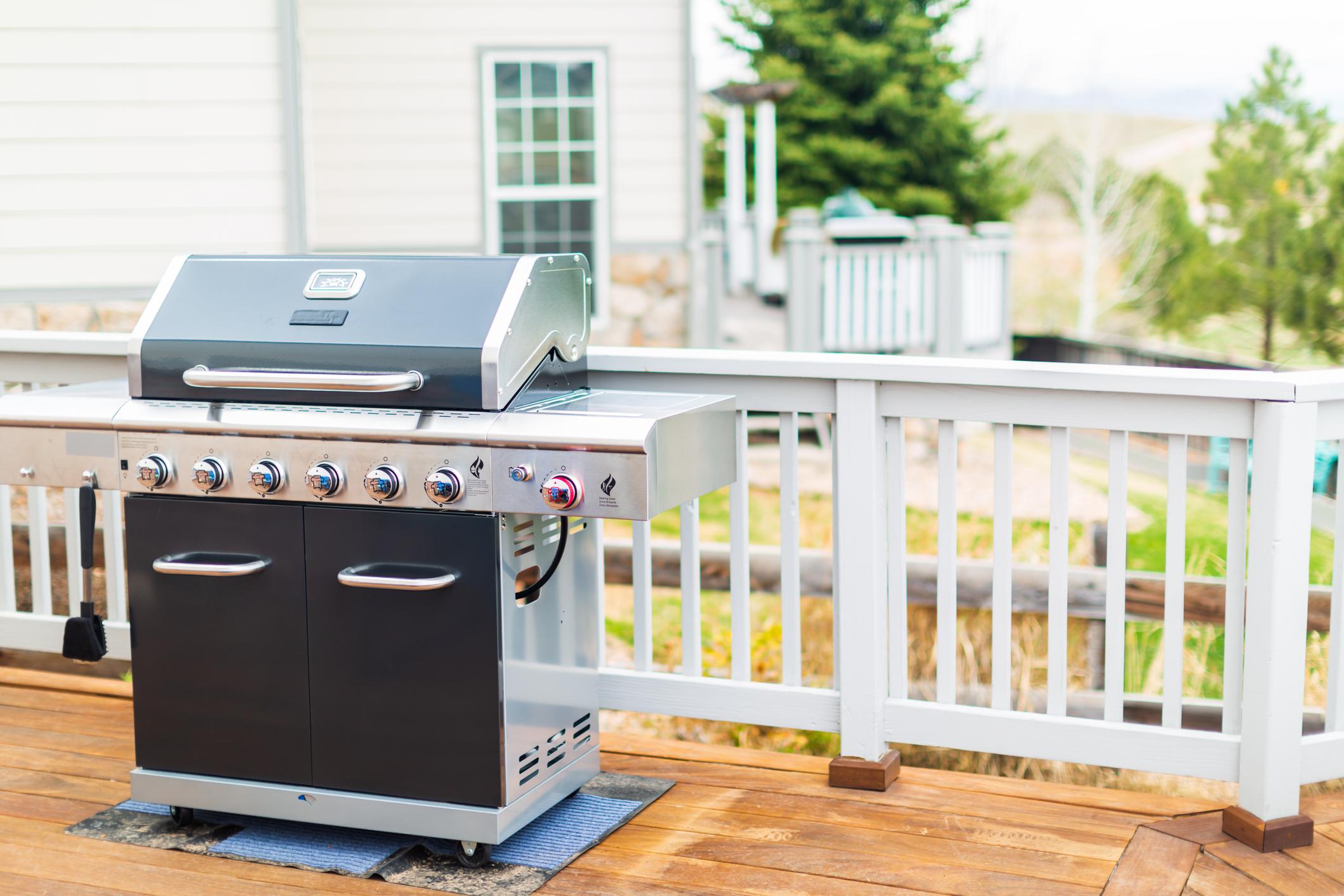
High-end gas grills stand apart through superior build materials, advanced heating systems, and specialized cooking technologies.
These premium features justify the higher price point by delivering better performance and longer lifespan.
Build Quality and Materials
Premium grills use heavy-duty stainless steel construction that resists rust and corrosion for decades.
The best models feature 304-grade stainless steel, which offers superior durability compared to cheaper alternatives.
Cast iron grates provide excellent heat retention and create perfect sear marks on meat.
Some high-end models include porcelain-enameled cast iron grates that combine durability with easy cleaning.
The firebox construction uses thicker materials that maintain consistent temperatures.
Heavy-gauge steel walls prevent heat loss and reduce fuel consumption during long cooking sessions.
Extended warranties of 10-20 years demonstrate manufacturer confidence in build quality.
These warranties often cover major components like burners and cooking grates.
Advanced Burner Technologies
High-BTU gas burners deliver powerful heat output for quick searing and temperature recovery.
Premium models often feature multiple burner zones with independent temperature control.
Infrared burners create intense, even heat that reaches temperatures over 1,000 degrees.
These specialized burners reduce flare-ups and cook food faster than traditional gas burners.
Sear burners provide concentrated high heat for creating restaurant-quality sear marks.
They typically generate 10,000-15,000 BTUs in a small concentrated area.
Side burners add cooking versatility by allowing users to prepare sauces or side dishes.
These auxiliary burners function like stovetop burners for complete meal preparation.
Natural gas compatibility eliminates the need for propane tank refills.
Many high-end models offer conversion kits for both propane and natural gas connections.
Special Cooking Features
Dual grilling zones allow simultaneous high-heat searing and low-temperature cooking.
This feature enables users to cook different foods at optimal temperatures.
Rotisserie systems with rear-mounted burners cook whole chickens and roasts evenly.
Heavy-duty motors handle large cuts of meat without strain.
Smoker boxes integrate wood chip smoking capabilities into gas grills.
These built-in features eliminate the need for separate smoking equipment.
Temperature monitoring systems include built-in thermometers and some models offer wireless connectivity.
Digital controls provide precise temperature management for consistent results.
Performance and Cooking Experience
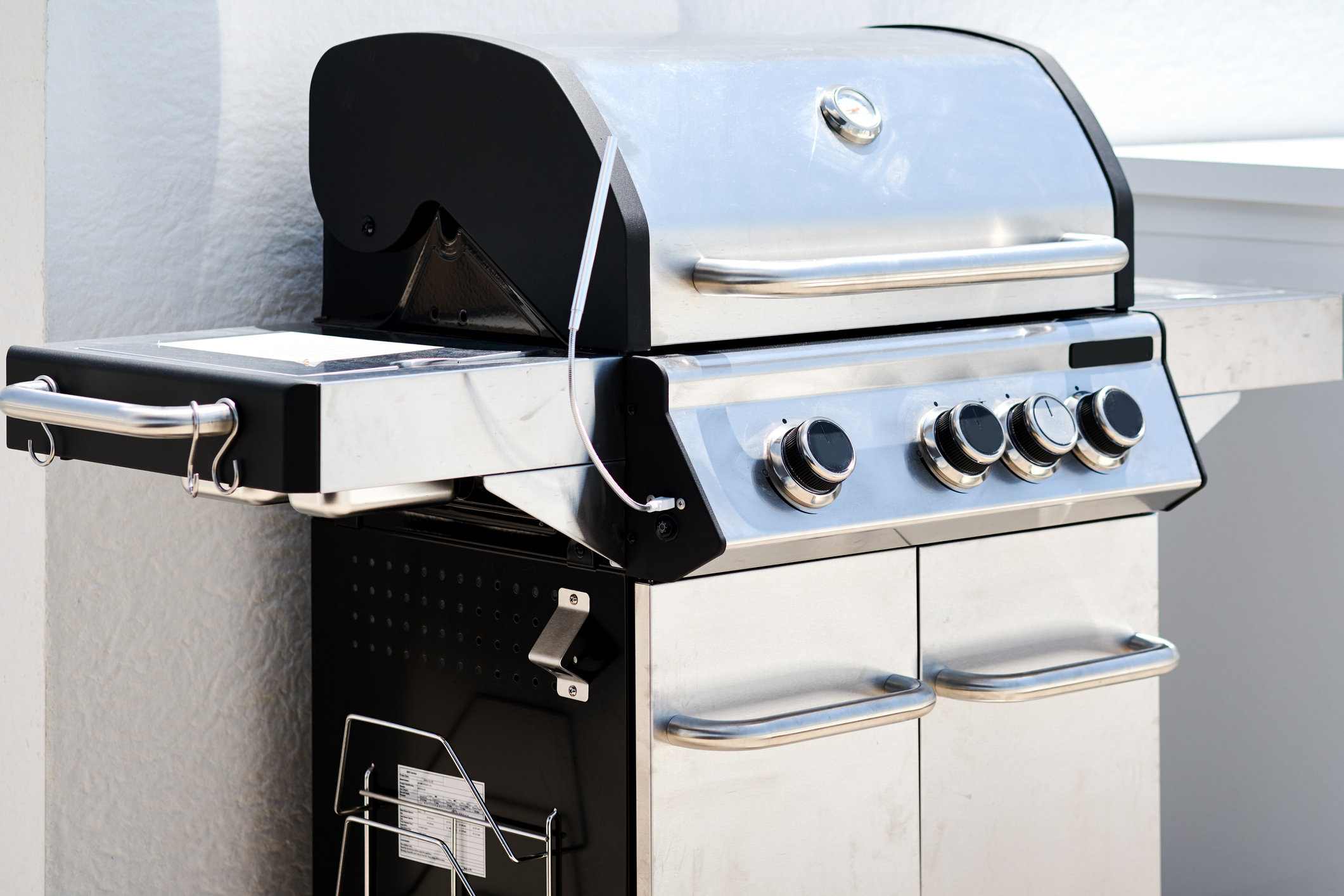
Expensive BBQs deliver superior cooking performance through better heat control and materials.
These grills use advanced burner systems and thicker steel construction that create more even temperatures across the cooking surface.
Consistent Heat and Temperature Control
High-end gas grills feature multiple burners with precise controls that maintain steady temperatures.
Premium models use thick gauge stainless steel that holds heat better than thin metal found in cheaper grills.
The burner systems in expensive grills distribute heat evenly across the cooking surface.
This prevents hot spots that can burn food in some areas while leaving other parts undercooked.
Digital temperature controls allow users to set exact temperatures for different cooking methods.
Many premium gas grills maintain temperatures within 25 degrees of the target setting.
Quality insulation helps expensive grills hold heat longer with less fuel.
The thick walls and better sealing reduce heat loss during cooking sessions.
Versatility for Different Foods
Expensive grills offer multiple cooking zones that handle different foods at the same time.
Users can sear steaks on high heat while slow-cooking vegetables on lower settings.
Premium gas grills often include specialized features like:
- Rotisserie burners for whole chickens
- Smoker boxes for wood chip flavoring
- Sear burners that reach very high temperatures
- Side burners for sauces and sides
Pellet grills provide excellent temperature control for smoking and low-temperature cooking.
These models can maintain steady heat for hours without constant monitoring.
The versatility means users can grill, smoke, roast, and bake on one appliance.
This replaces multiple cooking tools with a single high-performance grill.
Ease of Cleaning and Maintenance
Premium grills use materials that resist rust and corrosion better than budget models.
Stainless steel grates clean easier than cast iron and last longer.
Many expensive grills feature removable drip trays and grease management systems.
These components slide out for simple cleaning after cooking sessions.
The better construction means fewer repairs over time.
Quality gas regulators and burner systems need less maintenance than cheaper components.
Some high-end models include self-cleaning cycles or easy-clean coatings on cooking surfaces.
These features reduce the time spent scrubbing grates and interior surfaces.
Durability and Lifespan
Expensive BBQs typically last 15-20 years compared to 2-5 years for budget models.
Premium materials and comprehensive warranties make the higher upfront cost worthwhile for frequent grillers.
Longevity of Components
High-end BBQs use thick stainless steel construction that resists rust and corrosion.
Weber grills, for example, feature heavy-duty materials that withstand harsh weather conditions for decades.
Premium gas burners are made from cast iron or high-grade stainless steel.
These materials distribute heat evenly and resist warping from repeated heating cycles.
Key durability features include:
- Thick gauge steel (14-16 gauge vs 20+ gauge in cheap models)
- Porcelain-coated grates that resist chipping
- Reinforced hinges and handles
- Weather-resistant finishes
Budget grills often use thin steel that rusts within 1-2 years.
The gas burners frequently fail due to inferior materials and poor manufacturing.
A high-end gas grill maintains consistent performance throughout its lifespan.
Components rarely need replacement during normal use.
Warranty and Support
Premium BBQ manufacturers offer comprehensive warranties that reflect their confidence in build quality.
Weber grills typically come with 10-25 year warranties on major components.
Typical warranty coverage:
- Cooking grates: 5-10 years
- Burners: 10-25 years
- Firebox: 10+ years
- Paint/finish: 2-5 years
Expensive brands provide dedicated customer support and readily available replacement parts.
This ensures the grill remains functional even after many years of use.
Budget grills often have limited 1-2 year warranties with poor customer service.
Finding replacement parts becomes difficult once the warranty expires.
Comparing Expensive and Budget BBQs
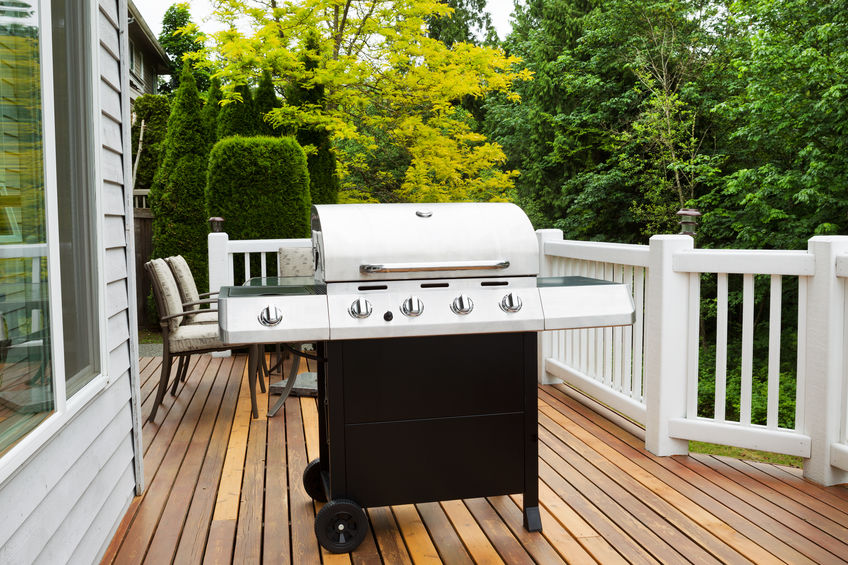
Budget grills typically cost $200-400 while high-end BBQ grills range from $800-3000 or more.
The main differences lie in upfront investment versus long-term durability and the availability of replacement components.
Initial Cost vs. Long-Term Value
Budget grills require a smaller upfront investment but often need replacement within 3-5 years.
Their thin materials and basic construction make them prone to rust and wear.
High-end BBQ grills cost significantly more initially but can last 10-15 years with proper care.
They use thicker stainless steel and better components that resist corrosion.
Cost Analysis Over 10 Years:
| Grill Type | Initial Cost | Replacements | Total Cost |
|---|---|---|---|
| Budget | $300 | $600 (2 replacements) | $900 |
| Premium | $1,500 | $0 | $1,500 |
Gas grills in the premium category also offer better fuel efficiency.
They maintain heat more effectively and use less propane per cooking session.
High-end models provide features that enhance an outdoor kitchen setup.
These include multiple cooking zones, rotisserie systems, and side burners for complete meal preparation.
Replacement Parts and Serviceability
Budget grills face major limitations when parts fail.
Manufacturers typically only stock basic components like grates and heat shields.
Finding replacement valves, manifolds, or control knobs for cheap models proves difficult.
Many owners end up buying entirely new units when key components break.
High-end BBQ grills offer comprehensive parts support for years after purchase.
Manufacturers maintain inventory of all components and provide detailed repair manuals.
Gas grills from premium brands often have authorized service networks.
This makes repairs more accessible and extends the grill’s usable life significantly.
The construction quality affects serviceability too.
Premium grills use standard fasteners and modular designs that make repairs straightforward for technicians.
Is an Expensive BBQ Right for You?
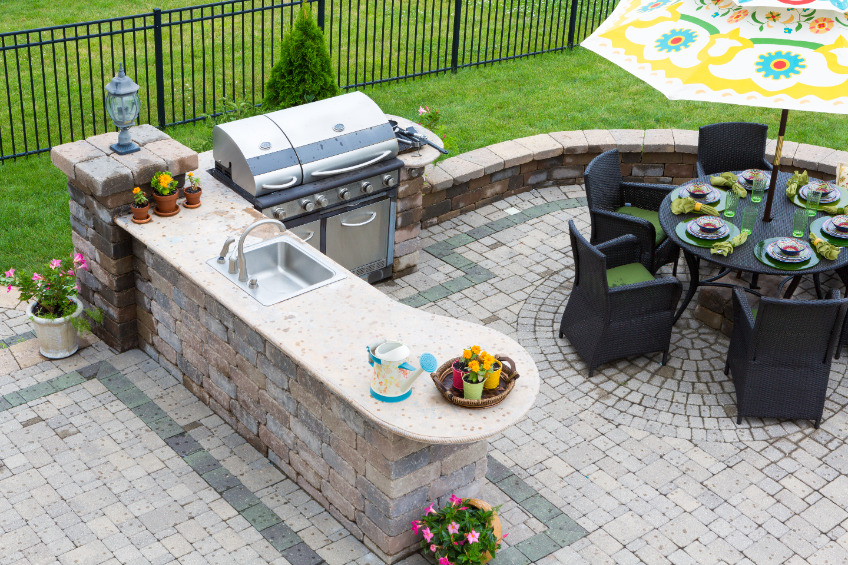
Deciding on an expensive BBQ depends on how often you’ll use it, whether it fits your outdoor space plans, and if the long-term benefits justify the upfront cost.
Your grilling habits and kitchen setup will guide this choice.
Frequency and Purpose of Use
People who grill multiple times per week benefit most from expensive BBQs.
The superior heat control and durability make frequent use more enjoyable and cost-effective over time.
Casual grillers who cook outdoors only a few times per year may not see enough value.
A basic grill handles occasional burgers and hot dogs just fine.
Consider an expensive BBQ if you:
- Grill 3+ times per week
- Host regular outdoor parties
- Want to try advanced techniques like smoking or rotisserie cooking
- Cook full meals outdoors, not just meat
The advanced features like multiple cooking zones and precise temperature controls shine when you’re preparing complex meals.
Simple grilling tasks don’t require these premium capabilities.
Outdoor Kitchen Integration
Expensive BBQs work best as centerpieces of planned outdoor kitchens.
Built-in models create seamless integration with counters, storage, and other appliances.
A natural gas grill eliminates propane tank changes and provides unlimited fuel supply.
This convenience matters most when the grill becomes part of your regular cooking routine.
Outdoor kitchen considerations:
- Permanent installation – Built-in grills require professional setup
- Utility connections – Natural gas lines need proper installation
- Counter space – Premium grills need adequate prep areas nearby
- Storage solutions – Tools and supplies need dedicated storage
Portable expensive grills make less sense unless you frequently move between locations.
The investment works better with permanent outdoor kitchen setups.
Budget and Value Assessment
Expensive BBQs cost $1,000 to $5,000 or more upfront.
This investment pays off through longer lifespan and better performance over 10-15 years.
Calculate the cost per use over the grill’s lifetime.
Heavy users might spend $50-100 per year of use, while occasional users could pay $200+ annually.
Budget factors to consider:
- Upfront cost vs. replacement frequency of cheaper models
- Fuel efficiency savings over time
- Maintenance costs – premium grills need less repair
- Resale value – quality grills retain more worth
Compare 5-year total ownership costs rather than just purchase prices.
Expensive grills often cost less per year when you factor in replacements and repairs of cheaper models.
Set aside 10-15% of the grill cost annually for accessories, covers, and eventual part replacements.
Is It Worth Buying an Expensive BBQ?
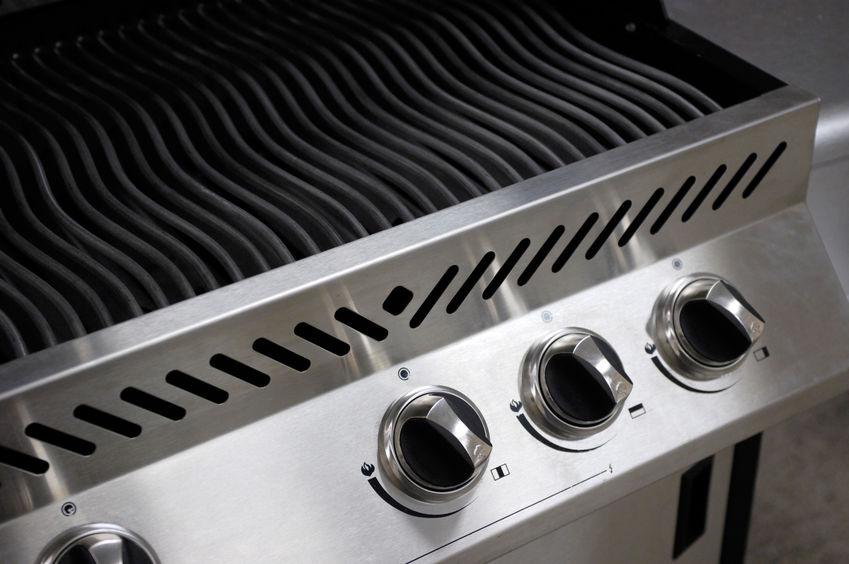
When you’re standing in front of a shiny stainless steel grill with a four-digit price tag, it’s natural to ask yourself: Do I really need this?
Expensive BBQs promise more power, more features, and longer lifespans—but not every backyard chef will benefit from all those extras.
To help answer the question, let’s compare two popular high-end options: the Weber Genesis S-435 and the Napoleon Prestige PRO 665 RSIB.
Weber Genesis S-435 (Liquid Propane, Stainless Steel)
The Weber Genesis S-435 offers:
-
 Cooking Area: 646 sq. in. of main grilling space, plus an expandable top grate for nearly 1,000 sq. in. total.
 - Burners & Heat: 4 main burners delivering about 48,000 BTU, a 12,000 BTU sear burner, and a 12,000 BTU side burner.
- Features: Weber’s signature Flavorizer bars, grease management system, prep/serve tables, visible tank gauge, and compatibility with Weber CRAFTED accessories.
- Build & Warranty: Solid stainless steel construction with strong warranty coverage.
This grill is versatile, powerful enough for most backyard cooks, and backed by Weber’s reputation for durability and customer support.
Napoleon Prestige PRO 665 RSIBPSS-3 (Liquid Propane, Stainless Steel)
The Napoleon Prestige PRO 665 is in another league in terms of scale and features:
-
 Cooking Area: 665 sq. in. of main space, with a total over 1,100 sq. in. including racks.
 - Burners & Heat: Eight burners in total, delivering about 99,000 BTU. Includes infrared rear and side burners for searing and rotisserie cooking.
- Features: Smoker tray, roll-top lid, LED backlit knobs, interior lights, wave grids, built-in ice bucket and cutting board, plus a “President’s Limited Lifetime Warranty.”
- Build & Warranty: Heavy-duty stainless steel construction with premium design touches and long-term warranty coverage.
This grill isn’t just about cooking—it’s designed as a centerpiece for outdoor entertaining.
What You Get for the Higher Price
The Napoleon’s higher cost buys you:
- More burners, more power, and faster heat-up.
- Infrared burners for steakhouse-quality searing and rotisserie.
- A wider range of cooking methods (grilling, smoking, roasting).
- Added convenience: built-in prep tools, lighting, and larger warming space.
- Premium durability and extended warranty coverage.
When the Weber Is “Enough”
The Weber still ticks a lot of boxes:
- Plenty of cooking space for families or small gatherings.
- A dedicated sear zone and side burner for versatility.
- Reliable construction, fewer moving parts, and easier maintenance.
- A lower price point without sacrificing core grilling performance.
For most home cooks, this grill will handle everyday BBQ tasks with ease.
The Verdict
So, is it worth buying an expensive BBQ?
- Napoleon is worth it if… you host large groups, cook often, and will truly use the extras like rotisserie, smoking, infrared burners, and nighttime lighting. It’s an investment for serious grillers who want the ultimate outdoor kitchen experience.
- Weber is the smarter choice if… you grill occasionally, mostly for family meals or small gatherings, and don’t need all the bells and whistles. It offers excellent performance and reliability at a significantly lower cost.
Bottom Line
Both grills are excellent.
The Weber Genesis S-435 is practical and powerful for everyday grilling, while the Napoleon Prestige PRO 665 is a luxury showpiece designed for those who live—and entertain—around the grill.