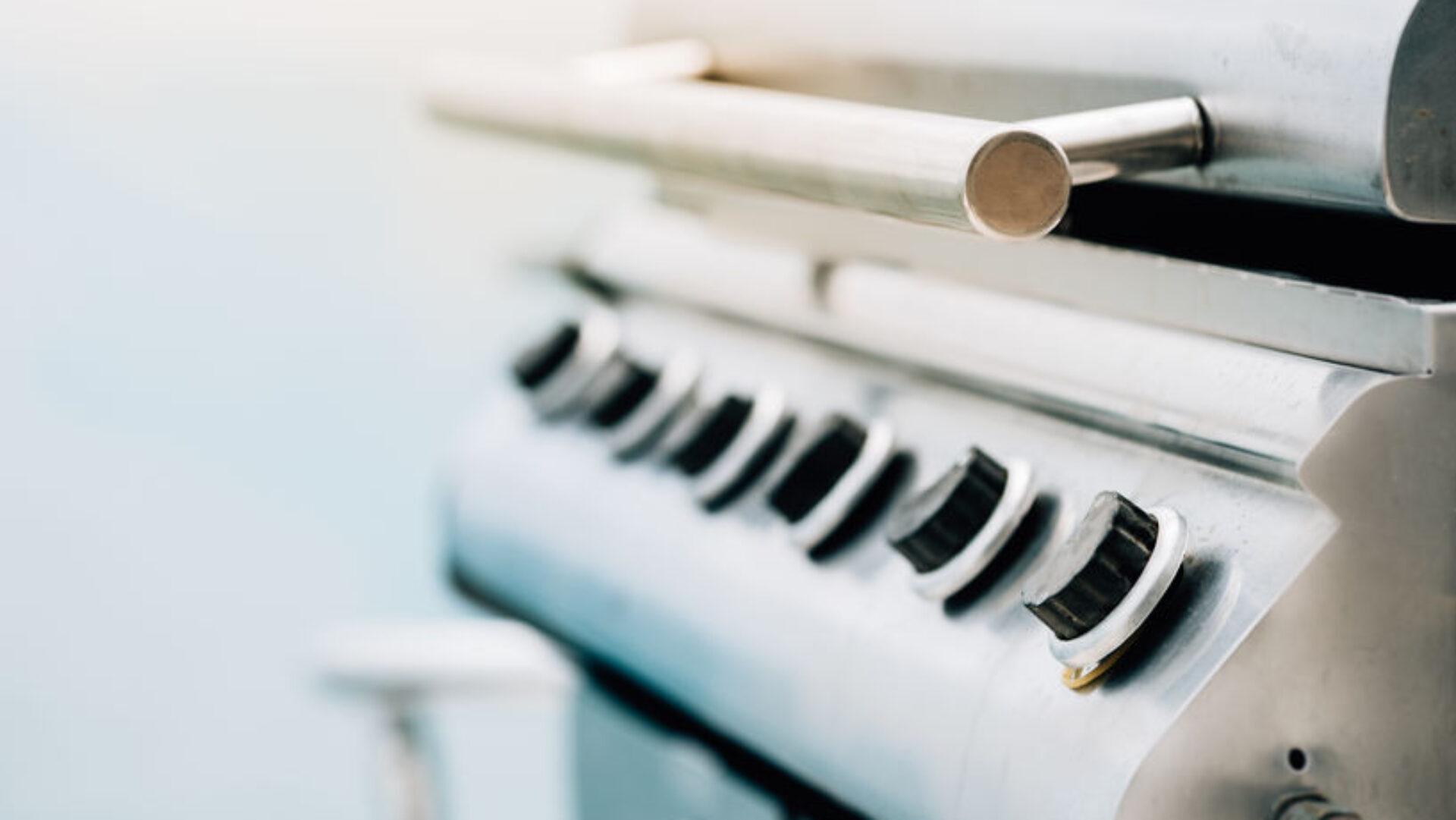
Hibachi grills offer a unique cooking experience that combines portability with intense heat, but their value depends on individual cooking preferences and budget considerations.
For those seeking authentic charcoal flavor and compact design, hibachi grills can be worth the investment, though they typically require a steeper learning curve and higher upfront cost than traditional grills.
These Japanese-inspired grills have gained popularity among home cooks who prioritize direct, high-heat cooking methods.
The market offers various models ranging from affordable options under $100 to premium cast iron versions that command higher prices due to their construction quality and heat retention capabilities.
Understanding the key differences between hibachi grills and conventional options helps buyers make informed decisions.
This guide examines essential factors including grill materials, brand reliability, maintenance requirements, and specific features that determine whether a hibachi grill aligns with particular cooking styles and expectations.
What Is a Hibachi Grill?
A hibachi grill is a compact, portable Japanese cooking device that translates to “fire bowl” and uses charcoal as its primary fuel source.
These traditional grills feature cast iron or stainless steel construction and operate through direct heat cooking methods.
History and Origin of Hibachi Grills
Hibachi grills originated in Japan centuries ago as essential household cooking equipment.
The word “hibachi” literally means “fire bowl” in Japanese, describing the basic bowl-shaped design.
Traditional Japanese families used these portable grills for daily cooking needs.
The compact size made them practical for small living spaces common in Japan.
Japanese craftsmen typically constructed hibachi grills from cast iron or ceramic materials.
The design emphasized durability and heat retention for efficient cooking.
Key historical features:
- Small, rounded or rectangular cooking surfaces
- Built-in ventilation systems
- Portable design for indoor and outdoor use
- Charcoal fuel dependency
The grills gained popularity outside Japan during the mid-20th century.
American soldiers returning from World War II introduced hibachi cooking to Western audiences.
Modern hibachi grills maintain the traditional design principles while incorporating contemporary materials.
Manufacturers now produce versions using stainless steel and other durable metals.
How Hibachi Grills Work
Hibachi grills operate through direct heat cooking using charcoal as the primary fuel source.
Users place charcoal in the bottom fire bowl and light it to create intense, concentrated heat.
The cooking surface sits directly above the charcoal bed.
This proximity creates temperatures between 400-600°F for high-heat searing and grilling.
Basic operating components:
- Fire bowl for charcoal placement
- Cooking grate positioned 2-4 inches above coals
- Adjustable air vents for temperature control
- Removable ash collection system
Air circulation controls the cooking temperature.
Opening vents increases airflow and raises heat levels, while closing them reduces temperature.
The compact design concentrates heat efficiently.
Food cooks quickly due to the direct flame contact and radiant heat from the metal surfaces.
Users can adjust cooking zones by moving coals to different areas.
This creates hot spots for searing and cooler areas for slower cooking methods.
Pros and Cons of Hibachi Grills
Hibachi grills offer distinct advantages like portability and authentic Japanese cooking methods, but they also present challenges including heavy smoke production and limited cooking space.
Understanding these trade-offs helps determine if a hibachi grill fits specific cooking needs and living situations.
Benefits of Using a Hibachi Grill
Portability and Convenience Most hibachi grills weigh between 10-30 pounds, making them easy to transport for camping, tailgating, or small patios. Their compact design allows storage in tight spaces where full-size grills won’t fit.
Authentic Flavor Profile Charcoal hibachi grills produce intense heat reaching 1,000°F or higher. This creates the distinctive smoky flavor and searing capability essential for yakitori, robatayaki, and other Japanese grilling techniques.
Quick Cooking Times The concentrated heat source reduces cooking times significantly. Small cuts of meat, vegetables, and seafood cook in minutes rather than the longer periods required on conventional grills.
Fuel Efficiency Hibachi grills use minimal charcoal compared to larger grills. A single chimney of charcoal typically provides 2-3 hours of cooking time for multiple meals.
Customizable Experience Many models feature adjustable grates that allow precise heat control. Users can position food closer or farther from coals based on cooking requirements.
Limitations to Consider
Heavy Smoke Production Hibachi grills generate substantial smoke, especially during initial heating and fat dripping. This makes them unsuitable for apartments, condos, or areas with strict fire regulations.
Limited Cooking Space Most hibachi grills provide 100-200 square inches of cooking surface. This restricts the ability to cook for large groups or prepare multiple dishes simultaneously.
Temperature Control Challenges Unlike gas grills with precise controls, hibachi grills require skill to maintain consistent temperatures. Users must manually adjust airflow and coal positioning.
Setup and Cleanup Requirements Charcoal models need 15-20 minutes for proper coal preparation. Post-cooking cleanup involves disposing of ash and scrubbing grates thoroughly.
Weather Dependency Wind and rain significantly impact performance. Strong winds can create uneven heating, while wet conditions make lighting and maintaining coals difficult.
Who Should Consider a Hibachi Grill?
Hibachi grills work best for people who prioritize quick cooking times, value portability, and enjoy preparing smaller food portions.
These compact grills suit outdoor enthusiasts and those with limited space who still want authentic charcoal-grilled flavors.
Ideal Use Cases
Apartment dwellers find hibachi grills particularly valuable due to their compact size and portability. These grills fit easily on small balconies or patios where larger grills won’t work.
Camping enthusiasts benefit from the lightweight design and quick setup time. Most hibachi grills weigh between 10-25 pounds, making them easy to transport to campsites or tailgating events.
Small household cooks who prepare meals for 1-4 people get the most value from hibachi grills. The cooking surface typically measures 8-12 inches, which suits smaller portions perfectly.
Quick meal preparation represents another key use case. Hibachi grills reach cooking temperature within 10-15 minutes, making them ideal for weeknight dinners or spontaneous outdoor cooking sessions.
People who enjoy Asian-style cooking particularly appreciate hibachi grills for their ability to create high-heat searing. This makes them perfect for cooking vegetables, small cuts of meat, and seafood with authentic flavors.
Skill Level and Experience Needed
Beginner grillers can successfully operate hibachi grills with minimal experience. The small cooking surface makes it easier to monitor food and prevents overcooking compared to larger grills.
Charcoal management skills require some learning but remain straightforward on hibachi grills. Users need to understand basic charcoal lighting techniques and heat control through air vents.
Temperature control becomes easier to master due to the grill’s compact size. Most users develop proficiency within 3-5 cooking sessions, learning how to adjust airflow for different heat levels.
No special techniques are required beyond standard grilling knowledge. Users who can cook on any outdoor grill will adapt quickly to hibachi-style cooking methods.
The learning curve remains minimal, making these grills accessible to anyone interested in outdoor cooking regardless of their current skill level.
Factors That Determine Value
A hibachi grill’s value depends on three critical performance areas: cooking capabilities, convenience features, and fuel flexibility.
These elements directly impact both immediate satisfaction and long-term investment returns.
Cooking Performance
The cooking surface area determines how much food can be prepared simultaneously.
Small tabletop models typically offer 150-200 square inches, suitable for 2-3 people.
Larger models provide 300+ square inches for family-sized meals.
Material quality affects heat distribution and durability:
- Cast iron retains heat exceptionally well and develops natural non-stick properties
- Ceramic provides even heating but requires careful handling
- Steel models heat quickly but may develop hot spots
Temperature control separates quality grills from budget options.
Premium models maintain consistent heat zones between 400-600°F.
Adjustable grate heights allow users to control cooking intensity without adjusting fuel.
Heat retention capabilities impact fuel efficiency and cooking consistency.
Thick walls and quality construction materials keep temperatures stable during windy conditions or when adding food.
Portability and Storage
Weight considerations matter for frequent transport.
Tabletop hibachi grills range from 15-40 pounds, while larger models can exceed 60 pounds.
Compact designs under 25 pounds work best for camping or tailgating.
Storage dimensions affect apartment living and small patios.
Folding legs and removable components reduce storage footprint by 30-50%. Some models stack vertically or fit inside carrying cases.
Transportation features include:
- Carrying handles rated for full grill weight
- Removable ash pans for easier cleaning
- Detachable grates that pack separately
- Protective covers for transport
Setup time varies significantly between models.
Simple designs assemble in under 5 minutes, while complex units may require 15-20 minutes for initial setup.
Heat Source Options
Charcoal models provide authentic flavor and high heat output reaching 700°F+.
They require 20-30 minutes for proper heating and ongoing fuel management.
Cleanup involves ash disposal and thorough cleaning.
Electric versions offer convenience with instant heat control and no emissions.
They typically max out at 500°F and require nearby electrical outlets.
Operating costs depend on local electricity rates.
Gas-powered units provide quick startup and precise temperature control.
Propane models offer portability while natural gas versions suit permanent installations.
Fuel costs vary by region and usage frequency.
Fuel efficiency comparison:
| Heat Source | Startup Time | Max Temperature | Cost per Hour |
|---|---|---|---|
| Charcoal | 20-30 min | 700°F+ | $2-3 |
| Electric | Instant | 500°F | $1-2 |
| Gas | 5-10 min | 600°F | $1.50-2.50 |
Key Features to Look For
Several critical factors determine whether a hibachi grill will meet your cooking needs and last for years.
The material construction, cooking capacity, maintenance requirements, and heat management capabilities directly impact your grilling experience.
Build Quality and Materials
Cast iron construction remains the gold standard for hibachi grills.
This material retains heat exceptionally well and distributes it evenly across the cooking surface.
Cast iron hibachi grills develop a natural non-stick seasoning over time.
They also provide superior heat retention compared to steel alternatives.
Stainless steel models offer these advantages:
- Rust resistance
- Lighter weight
- Easier initial maintenance
- Modern appearance
Steel construction costs less but may develop hot spots.
The thinner material doesn’t hold heat as consistently as cast iron options.
Key material considerations:
- Grate quality: Look for heavy-duty grates that won’t warp
- Thickness: Thicker walls provide better heat retention
- Finish: Powder coating or seasoned surfaces resist corrosion
Size and Cooking Area
Hibachi grills typically range from 8 inches to 24 inches in width.
Small 8-12 inch models serve 1-2 people effectively.
Medium grills measuring 14-18 inches accommodate 3-4 servings.
Large 20-24 inch models handle family-sized portions or entertaining groups.
Cooking area calculations:
- Small: 60-100 square inches
- Medium: 120-200 square inches
- Large: 250-350 square inches
Consider your typical cooking scenarios.
Apartment dwellers often prefer compact models for balcony use. Families need larger cooking surfaces for meal preparation.
The grill height affects cooking comfort.
Standard heights range from 6-10 inches tall.
Ease of Cleaning
Removable components simplify maintenance significantly.
The best hibachi grills feature lift-out grates and ash pans.
Cast iron requires seasoning maintenance but develops easier cleanup properties over time.
Stainless steel wipes clean quickly but may show water spots.
Essential cleaning features:
- Removable grates: Allow thorough cleaning
- Ash collection: Simplifies charcoal disposal
- Smooth surfaces: Reduce food buildup areas
Avoid models with hard-to-reach crevices or permanently attached components.
These create cleaning challenges that discourage regular use.
Some grills include cleaning tools or wire brushes.
While helpful, these accessories shouldn’t influence your primary decision.
Temperature Control
Adjustable air vents provide the primary temperature control method.
Bottom vents control airflow to the charcoal while top vents regulate heat escape.
Effective temperature control requires:
- Multiple adjustable vents
- Tight-fitting vent covers
- Easy-to-operate adjustment mechanisms
Dual-zone cooking capability allows different temperature areas on the same grill.
This feature requires adequate cooking surface width.
Some models include temperature gauges built into the lid.
These help monitor cooking conditions without lifting the cover frequently.
Temperature range expectations:
- Low heat: 225-275°F
- Medium heat: 300-350°F
- High heat: 400-500°F+
Proper vent design maintains consistent temperatures throughout your cooking session.
Comparing Hibachi Grills to Other Grill Types
Hibachi grills operate differently from gas, charcoal, and electric alternatives in terms of fuel efficiency, temperature control, and cooking versatility.
Each grill type offers distinct advantages for different cooking styles and user preferences.
Hibachi vs. Gas Grills
Gas grills provide instant ignition and precise temperature control through adjustable knobs.
They heat up within 10-15 minutes and maintain consistent temperatures across the cooking surface.
Hibachi grills require 15-20 minutes to reach optimal cooking temperature with charcoal.
They offer less precise temperature control but deliver superior smoky flavor that gas grills cannot replicate.
Fuel costs favor hibachi grills significantly.
A bag of charcoal costs $10-15 and lasts multiple cooking sessions, while propane tanks cost $15-20 and require regular refilling.
Gas grills excel in convenience and weather resistance.
They work effectively in cold conditions and offer multiple burner zones for cooking different foods simultaneously.
Hibachi grills provide authentic Japanese cooking experience with intense direct heat.
The close proximity to coals creates excellent searing capabilities that gas grills struggle to match at similar price points.
Hibachi vs. Charcoal Grills
Both hibachi and traditional charcoal grills use the same fuel source but differ significantly in design and functionality.
Charcoal grills typically feature larger cooking surfaces ranging from 400-800 square inches.
Hibachi grills offer compact cooking surfaces of 100-200 square inches.
This limitation makes them ideal for 2-4 people but impractical for larger gatherings.
Temperature management varies between the two types.
Traditional charcoal grills include adjustable vents and dampers for airflow control.
Hibachi grills rely on adjustable grates and coal positioning for heat management.
Portability strongly favors hibachi grills. Most models weigh 15-25 pounds compared to 50-100 pounds for standard charcoal grills.
This makes hibachi grills practical for camping and tailgating.
Coal consumption differs notably between designs.
Hibachi grills use approximately 30% less charcoal per cooking session due to their efficient heat retention and smaller size.
Hibachi vs. Electric Grills
Electric grills operate on standard 120V household outlets and eliminate fuel costs entirely.
They heat up within 5-10 minutes and offer precise temperature control through digital displays.
Hibachi grills cannot match the convenience of electric models for indoor use.
Electric grills work year-round regardless of weather conditions and require minimal cleanup after cooking.
Flavor profiles differ substantially between the two options.
Electric grills produce no smoke and rely on heated elements for cooking.
Hibachi grills create authentic smoky flavors through direct charcoal contact.
Operating costs favor electric grills for frequent use.
Electricity costs approximately $0.50-1.00 per cooking session while charcoal costs $2-4 per session depending on usage duration.
Electric grills offer consistent performance without temperature fluctuations.
Hibachi grills require active management to maintain optimal cooking temperatures throughout the session.
Cooking versatility varies between types.
Electric grills often include interchangeable plates for different cooking methods.
Hibachi grills excel specifically at high-heat searing and traditional Japanese cooking techniques.
Tips for Choosing the Best Hibachi Grill
The key factors for selecting a hibachi grill include matching the size and features to your specific cooking habits, establishing a clear budget range that accounts for quality differences, and examining real user experiences to avoid common pitfalls.
Assessing Your Cooking Needs
The first step involves determining how many people will typically eat from the grill.
Small tabletop models work well for 2-4 people, while larger freestanding units can handle 6-8 servings.
Cooking frequency plays a major role in material selection.
Cast iron grills retain heat better and last longer for regular use.
Steel options cost less but may not withstand heavy cooking schedules.
Portability requirements affect size and weight decisions.
Camping trips need lightweight, compact designs.
Backyard use allows heavier, more stable models with better cooking surfaces.
Fuel preferences split between charcoal and gas options.
Charcoal provides authentic flavor but requires more setup time.
Gas models offer convenience with instant heat control.
Consider these specific features:
- Adjustable grates for temperature control
- Ash collection systems for easy cleanup
- Side handles for safe transport
- Wind guards for outdoor stability
Setting a Realistic Budget
Budget ranges typically fall into three categories.
Entry-level models cost $50-$150 and work for occasional use.
Mid-range options run $150-$400 with better materials and features.
Premium hibachi grills range from $400-$800+ and include cast iron construction, precision airflow controls, and commercial-grade components.
These models justify higher costs through durability and performance.
Material costs explain price differences significantly.
Cast iron models cost 2-3 times more than steel versions but provide superior heat retention.
Stainless steel options fall between these price points.
Size directly impacts pricing.
Compact single-person grills start around $60. Family-sized models begin at $200. Restaurant-quality units exceed $500.
Consider these cost factors:
- Replacement parts availability
- Fuel efficiency for ongoing costs
- Warranty coverage length
- Shipping weight for online orders
Reviewing Customer Feedback
Customer reviews reveal real-world performance issues that specifications cannot show.
Look for comments about heat distribution, durability after multiple uses, and assembly difficulty.
Common complaints include rusting problems, wobbly construction, and poor temperature control.
Reviews mentioning these issues after 6-12 months indicate quality problems.
Positive feedback patterns focus on even cooking results, easy cleanup, and stable performance over time.
Multiple reviews praising the same features suggest reliable strengths.
Pay attention to reviewer profiles.
Experienced grillers provide more technical insights than casual users.
Restaurant owners offer professional perspectives on durability.
Photo reviews show actual condition after extended use.
Before and after images reveal maintenance requirements and wear patterns.
Focus on these review elements:
- Usage duration mentioned by reviewers
- Specific cooking results described
- Maintenance experiences shared
- Comparison mentions with other models
Popular Hibachi Grill Brands and Models
Several established manufacturers produce quality hibachi grills, with cast iron models from traditional brands leading the market.
Specific models like the Lodge Cast Iron Hibachi and Cajun Cookware options consistently receive high ratings for durability and performance.
Trusted Brands
Lodge stands as the most recognized name in hibachi grills.
Their cast iron models offer excellent heat retention and distribution.
The company’s decades of experience with cast iron cookware translates to reliable hibachi construction.
Cajun Cookware produces traditional-style hibachi grills favored by serious grilling enthusiasts.
Their models feature thick cast iron construction and adjustable grates for temperature control.
Marsh Allen manufactures both cast iron and steel hibachi options.
They offer budget-friendly models without sacrificing basic functionality.
Their grills typically include removable ash pans for easy cleanup.
Char-Broil enters the hibachi market with portable gas options.
Their Portable Convective 1-Burner model combines hibachi-style cooking with propane convenience.
The stainless steel construction resists rust and corrosion.
Top-Rated Models
The Lodge Cast Iron Hibachi remains the gold standard for charcoal hibachi grills.
It weighs approximately 20 pounds and measures 12 inches square.
The adjustable cooking grate allows precise heat control.
Cajun Cookware Hibachi Grill features a wider cooking surface than most competitors.
The heavy-duty construction maintains consistent temperatures across the entire grate area. Dual adjustable air vents provide excellent airflow control.
Marsh Allen Cast Iron Hibachi offers similar performance at a lower price point.
The 10-inch cooking surface suits small gatherings perfectly.
Removable components simplify cleaning and maintenance.
Char-Broil Portable Gas Hibachi provides instant-start convenience for those preferring gas over charcoal.
The compact design fits easily in vehicles for camping or tailgating. Stainless steel grates resist sticking and clean easily.
Care and Maintenance for Longevity
Regular cleaning and proper storage practices extend hibachi grill lifespan significantly.
These maintenance routines prevent rust formation, preserve cooking surfaces, and ensure consistent performance over years of use.
Routine Cleaning Practices
Post-cooking cleaning should occur after every grilling session while the grill remains warm but not hot.
Users should scrape food residue from grates using a grill brush or scraper.
Weekly deep cleaning involves removing all components that can be disassembled.
Grates, drip pans, and removable parts should be washed with warm soapy water and dried thoroughly.
Cast iron maintenance requires special attention to prevent rust.
Owners should apply a thin layer of cooking oil to cast iron surfaces after each cleaning session.
Stainless steel care demands non-abrasive cleaners and microfiber cloths.
Cleaning should follow the grain direction to avoid scratching the surface.
Essential cleaning supplies include:
- Grill brush with stiff bristles
- Degreasing cleaner
- Mild dish soap
- Microfiber cloths
- Cooking oil for seasoning
Monthly inspections help identify wear patterns or damage early.
Users should check for loose bolts, damaged grates, or rust spots that need immediate attention.
Proper Storage Techniques
Indoor storage provides the best protection from weather elements.
Grills should be completely clean and dry before storing in garages, basements, or utility rooms.
Outdoor storage requires weather-resistant covers designed specifically for hibachi grills.
Covers should fit snugly but allow air circulation to prevent moisture buildup.
Moisture prevention remains critical for all storage scenarios.
Users should place moisture-absorbing packets inside covered grills stored outdoors.
Seasonal preparation involves thorough cleaning before extended storage periods.
All surfaces should receive protective oil coating, and removable parts should be stored separately in dry locations.
Storage location considerations:
- Avoid ground-level placement outdoors
- Ensure adequate ventilation around stored grills
- Keep away from sprinkler systems or drainage areas
- Choose locations with stable temperature conditions
Disassembly of removable components prevents warping and makes cleaning easier when the grill returns to service. Hardware should be stored in labeled containers to prevent loss.
Are Hibachi Grills Worth the Investment?
The value of a hibachi grill depends on individual cooking habits, budget constraints, and long-term usage expectations.
Most buyers find satisfaction when they match grill features to their specific needs rather than purchasing based solely on price.
Cost vs. Value Analysis
Hibachi grills range from $30 for basic models to $300+ for premium cast iron versions.
The initial investment varies significantly based on materials and construction quality.
Budget Breakdown:
- Entry-level: $30-60 (lightweight steel, basic features)
- Mid-range: $60-150 (cast iron, better heat retention)
- Premium: $150-300+ (heavy-duty construction, superior materials)
Cast iron models cost more upfront but deliver superior heat retention and durability.
These grills maintain consistent temperatures and develop natural non-stick surfaces over time.
Basic steel versions work adequately for occasional use.
However, they may rust faster and provide less even heating than cast iron alternatives.
Value considerations include:
- Cooking frequency
- Portability needs
- Material preferences
- Available storage space
Long-Term Satisfaction
Users typically report higher satisfaction with mid-range to premium hibachi grills after extended use.
Cast iron models improve with age, developing better seasoning and heat distribution patterns.
Key satisfaction factors:
- Durability: Quality grills last 10+ years with proper care
- Performance consistency: Better materials maintain heat more effectively
- Versatility: Suitable for vegetables, meats, and seafood
- Portability: Easy transport for camping and outdoor events
Regular maintenance requires minimal effort.
Basic cleaning and occasional re-seasoning keep cast iron models performing optimally.
Most owners appreciate the authentic charcoal flavor that hibachi grills provide.
This cooking method creates distinctive tastes difficult to replicate with gas grills or indoor cooking methods.
Conclusion
Hibachi grills represent a solid investment for cooking enthusiasts who value authentic Japanese grilling techniques and high-heat cooking capabilities.
The decision depends on individual cooking preferences, available outdoor space, and budget considerations.
Cast iron models offer the best durability and heat retention.
They typically cost more than $100 but provide superior performance and longevity compared to cheaper alternatives.
The key factors to evaluate include:
- Material quality (cast iron preferred)
- Size requirements for cooking space
- Fuel type (charcoal, propane, or electric)
- Portability needs
- Budget constraints
Buyers should avoid selecting models based solely on price tags.
Reading reviews and identifying essential features matters more than choosing the most expensive option available.
Blue Rhino has established itself as a reliable brand choice according to professional chefs.
Other manufacturers also produce quality options across different price ranges.
These grills excel at producing restaurant-quality searing and authentic flavors at home.
They work particularly well for small gatherings and specialty cooking techniques that require intense direct heat.
The compact design makes them suitable for apartments, patios, and camping trips.
Their versatility extends beyond traditional hibachi cooking to general grilling applications.
For those seeking a customizable grilling experience, models with adjustable grates and multiple fuel source compatibility provide additional flexibility.
The investment typically pays off through years of reliable outdoor cooking performance.