
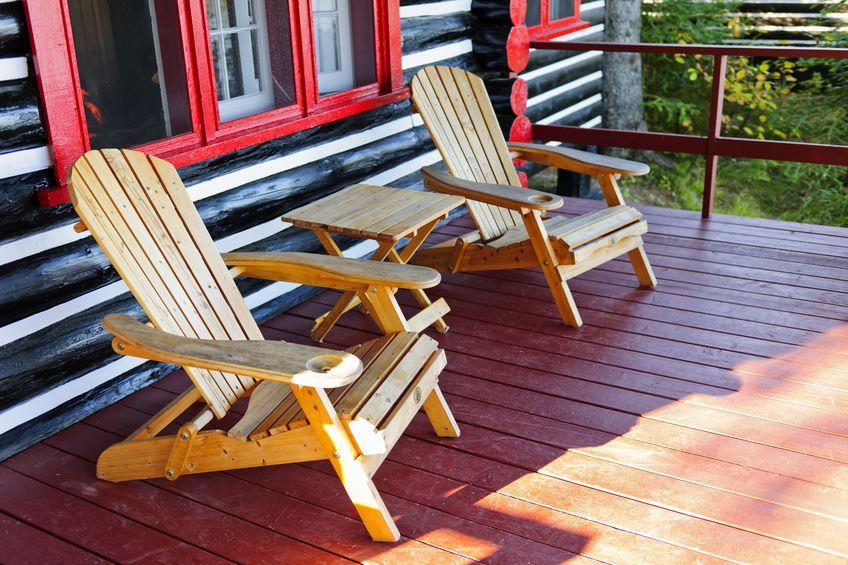
Wooden Adirondack chairs are popular for their classic design and natural appeal.
They offer durability and comfort, making them a common choice for outdoor seating.
How long these chairs last depends mainly on the type of wood used and how well they are maintained.
With proper care such as regular sealing and staining, wooden Adirondack chairs can last anywhere from 10 to 20 years or more.
Hardwoods like teak and cedar naturally resist decay, which helps extend their lifespan significantly compared to softer woods.
The environment and exposure to weather also play a critical role in how long the chairs maintain their integrity.
Owners who invest time in routine maintenance can enjoy their Adirondack chairs for many seasons without significant deterioration.
Understanding these factors can help readers make informed decisions about selecting and caring for their wooden outdoor furniture.
Average Lifespan of Wooden Adirondack Chairs
Wooden Adirondack chairs generally last between 10 to 20 years when properly maintained.
The exact lifespan varies depending on the wood type, climate exposure, and the care routines followed.
Recognizing signs of wear can help extend their usability or indicate when replacement is necessary.
Typical Durability Expectations
Wooden Adirondack chairs made from hardwoods such as teak, redwood, or eucalyptus tend to last longer due to natural resistance to decay.
With proper sealing and regular maintenance, these chairs commonly reach 15 to 20 years of service.
Softer woods or untreated materials may only last 5 to 10 years before showing significant wear.
Maintenance practices like annual staining, sealing, and cleaning greatly influence durability.
Neglect accelerates wood degradation and shortens the chair’s lifespan.
Variability by Climate
Climate heavily impacts how long wooden Adirondack chairs last.
Humid and rainy environments increase the risk of rot and mold, requiring more frequent maintenance.
Dry, mild climates slow deterioration and can extend chair life.
Exposure to direct sunlight causes wood to crack and fade faster.
Areas with harsh winters may cause freeze-thaw damage, weakening joints and surface finishes.
Adjusting care to seasonal conditions improves longevity.
Signs Your Chair Is Nearing End of Life
Visible cracking, splintering, or warping indicate wood breakdown.
Loose or wobbly joints signal structural weakening and potential failure.
Discoloration, persistent mold, or soft spots suggest rot has set in.
If repairs become frequent or costly, replacement might be more practical.
Early detection of these signs helps prevent accidents or further damage.
Factors Impacting Longevity
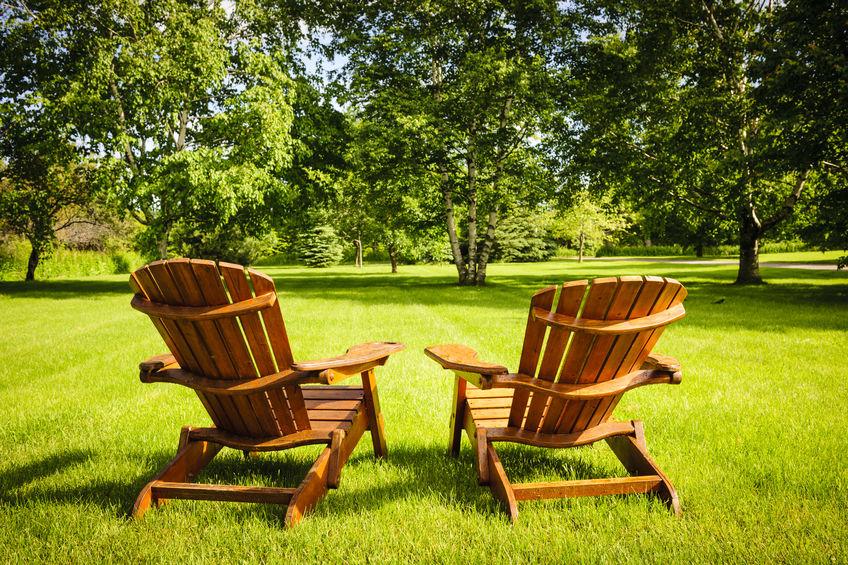
Several key factors influence how long a wooden Adirondack chair will last.
These include the type of wood used, how the chair is exposed to environmental conditions, and how frequently it is used.
Each aspect plays a crucial role in determining the chair’s lifespan.
Wood Type Selection
The choice of wood greatly affects durability.
Hardwoods like teak and cedar are naturally more resistant to decay and insect damage.
Teak contains natural oils that repel water, reducing the chance of rot, while cedar has a tight grain that limits moisture absorption.
Softer woods, such as pine or fir, are less durable and more prone to weathering.
They require more frequent maintenance, such as sealing or staining, to extend their lifespan.
Key wood types and characteristics:
| Wood Type | Durability | Maintenance Needs |
|---|---|---|
| Teak | High (20+ years) | Low |
| Cedar | Moderate to High | Moderate |
| Pine | Low to Moderate | High |
| Fir | Low to Moderate | High |
Exposure to Elements
Exposure to sun, rain, and humidity significantly impacts a wooden Adirondack chair’s longevity.
Prolonged sunlight can cause wood to dry out and crack, while rain increases the risk of rot and mold growth if the wood is untreated.
Protective finishes such as sealants or water-repellent stains help reduce damage.
Proper storage during harsh weather, like bringing chairs indoors or using covers, also slows wood deterioration.
Areas with high humidity or frequent rainfall generally shorten the lifespan unless regular maintenance is performed.
Frequency of Use
Frequent use means more wear and tear.
Chairs used daily, especially outdoors, face more stress from weight and movement, which can accelerate structural wear.
However, infrequent use doesn’t guarantee longer life.
Neglect can lead to buildup of dirt, mold, or moisture, which damages wood fibers over time.
Regular cleaning, tightening of screws, and inspection for damage help maintain structural integrity regardless of usage frequency.
Balancing use with proper care is essential for lasting durability.
Why the Outsunny Wooden Adirondack Chair Is the Perfect Addition to Your Outdoor Decor
 If you’re looking for a timeless outdoor classic, the Outsunny Wooden Adirondack Chair with Cup Holder is an excellent choice.
Its rustic wooden charm and enduring comfort make it a backyard favorite.
Why it shines:
-
Rustic wooden flair — Crafted from fir wood and featuring seven supportive back slats, it brings classic Adirondack style wherever you place it.
-
Built for comfort — The chair includes a tilted, high-rise backrest and wide armrests, so you can enjoy relaxed lounging for hours. The built-in cup holder on one arm makes it perfect for sipping a drink at your leisure.
-
Easy to assemble — Pre-drilled boards and all necessary hardware come with the package, making setup straightforward.
-
Sturdy and spacious — At 28.5″ W × 38.2″ D × 36.6″ H, it supports up to 330 lbs, offering comfort and durability for most users.
Why This Adirondack Chair Deserves a Spot in Your Outdoor Space
 With its classic design, thoughtful ergonomic details, and practical features, this Outsunny chair brings both function and style to any outdoor setting.
The wide armrests and contoured seat make it comfortable for lounging, while the fir wood construction and straightforward assembly make it a reliable addition to your patio, porch, or garden.
Plus, the convenient cup holder adds a touch of modern convenience to a traditionally styled piece.
Protective Treatments and Maintenance
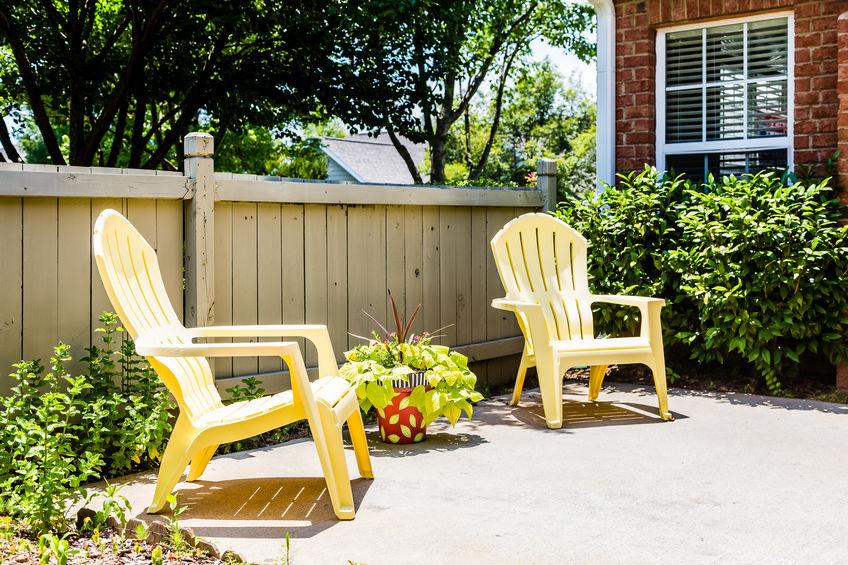 Wooden Adirondack chairs require specific care to maintain their strength and appearance over time.
Proper sealing, cleaning, and occasional repairs extend their lifespan and preserve their natural beauty.
Sealing and Staining Options
Sealing is essential to protect wood from moisture, UV exposure, and temperature changes.
Oil-based sealants penetrate deeply, enhancing wood grain and offering strong water resistance.
Water-based sealants dry faster and emit fewer fumes but may need more frequent reapplication.
Staining not only adds color but also improves weather resistance.
Semi-transparent stains balance protection and the wood’s natural look, while solid stains offer more coverage but hide grain details.
For best results, apply sealants or stains on clean, dry wood.
Annual reapplication is recommended to maintain protection and prevent cracks or warping.
Routine Cleaning Best Practices
Regular cleaning removes dirt, mildew, and debris that degrade wood over time.
Use a mild soap mixed with water, scrubbing gently with a soft brush or cloth.
Avoid harsh chemicals or pressure washers, as they may damage wood fibers.
After cleaning, rinse thoroughly and let the chair dry completely.
Seasonal cleanings before applying sealant prolong durability.
Clearing leaves and debris prevents moisture buildup, reducing risk of mold and rot.
Repairs and Restoration Methods
Small cracks and scratches can be sanded smooth to prevent further damage.
Wood filler can repair deeper gouges or holes before resealing.
Loose joints or screws should be tightened promptly to maintain structural integrity.
Replacing damaged slats helps avoid safety hazards and keeps the chair stable.
If the finish fades or peels, sanding down the affected area before reapplying stain or sealant restores protection and appearance.
Regular inspections help catch issues early, minimizing costly repairs.
Comparing Different Wood Species for Longevity
The durability of Adirondack chairs depends heavily on the wood species used.
Some woods offer superior resistance to rot, insects, and weathering, while others require more maintenance to ensure a lasting lifespan.
Understanding how these woods perform helps buyers choose the right material for longevity.
Teak vs. Cedar
Teak is one of the most durable woods available for outdoor furniture.
It contains natural oils that repel water and insects, allowing it to last 75 to 100 years with proper care.
Its dense grain reduces cracking and warping, making it a premium choice for Adirondack chairs expected to endure harsh weather conditions.
Cedar, especially Western Red Cedar, is naturally resistant to rot and decay, typically lasting over 20 years outdoors.
It is lighter and softer than teak, which can mean less durability under heavy use but easier workability.
Cedar requires periodic sealing or staining to maintain its lifespan and prevent surface wear.
Pine and Other Softwoods
Pine is more affordable but less durable than hardwoods, with a typical outdoor lifespan of about 3 to 7 years untreated.
Treated pine extends this significantly, often nearing hardwood longevity when properly sealed and maintained.
Other softwoods like fir and spruce share similar limitations but can perform well indoors or in sheltered outdoor areas.
They need protection against moisture and insect damage to avoid early deterioration.
Exotic and Alternative Hardwoods
Exotic hardwoods such as ipe and black locust offer strong resistance to decay and insects.
Ipe can last 75 to 100 years with care, similar to teak, making it a highly durable but heavier option.
Alternatives like eucalyptus and redwood also provide good weather resistance and durability, often lasting 30 years or more.
Some synthetic options, like recycled plastic “Polywood,” mimic wood’s appearance and often carry warranties around 20 years, offering low-maintenance longevity without the natural concerns of wood.
Storage and Seasonal Care

Proper seasonal care and storage significantly impact the lifespan of wooden Adirondack chairs.
Protecting the wood from extreme temperatures, moisture, and pests helps maintain both appearance and structural integrity.
Winter Preparation
Before winter, wooden Adirondack chairs should be cleaned thoroughly to remove dirt and debris that can trap moisture.
Applying a fresh coat of weather-resistant sealant or stain is essential to protect against snow, ice, and freezing temperatures.
It is advisable to move chairs indoors or to a sheltered location during harsh winter months.
If indoor storage is not available, cover them with breathable, waterproof covers designed to prevent moisture buildup while still allowing airflow.
Keeping the chairs elevated off the ground on pallets or blocks during winter prevents direct contact with snow or standing water, reducing the risk of rot and mold development.
Proper Covered Storage
Storing Adirondack chairs in a dry, covered area extends their usable life by shielding them from UV rays, rain, and temperature fluctuations.
Garages, sheds, or covered patios are ideal locations.
Covers should be tightly secured to prevent dust and debris but must allow ventilation to avoid condensation.
Using fabric covers with breathable materials, such as canvas, prevents mold and mildew growth more effectively than plastic tarps.
Before storing, chairs should be completely dry to avoid trapping moisture under covers, which can lead to wood swelling and decay.
Removing cushions and storing them separately also protects fabric from mildew and damage.
Avoiding Moisture Damage
Moisture is a primary cause of wood deterioration in Adirondack chairs.
Regular inspection for cracks or water damage helps address issues early.
Applying water-repellent wood treatments once or twice a year creates a barrier against rain and humidity.
After heavy rain, chairs should be wiped down and allowed to fully dry.
Proper drainage around the storage area prevents puddles forming under the chairs.
Elevating chairs on slats or pallets and ensuring airflow underneath helps wood stay dry and prolongs life.
Environmental and Sustainability Considerations
Wooden Adirondack chairs are often valued for their natural materials and environmental impact.
Choosing sustainably sourced wood helps reduce deforestation and supports responsible forest management.
Hardwoods like teak and cedar are popular for their durability and resistance to decay.
These woods can last many years, minimizing the need for frequent replacement.
This longevity contributes to a lower environmental footprint over time.
Maintenance plays a role in sustainability. Proper sealing and treating extend the life of wooden chairs, reducing waste.
Using eco-friendly sealants enhances the chair’s protection without releasing harmful chemicals.
Compared to plastic alternatives, wood is biodegradable and easier to recycle or repurpose at the end of the chair’s life.
However, wood furniture requires more care to withstand weather elements.
| Factor | Impact on Sustainability |
|---|---|
| Wood Type | Durable hardwoods reduce replacement needs |
| Source | FSC-certified wood supports responsible forestry |
| Maintenance | Regular care prolongs lifespan and reduces waste |
| End of Life | Wood biodegrades; plastic often does not |
Selecting wooden Adirondack chairs from certified, sustainably harvested sources ensures an environmentally conscious choice.
It balances durability, aesthetic appeal, and a smaller ecological footprint.
Cost Versus Durability Analysis
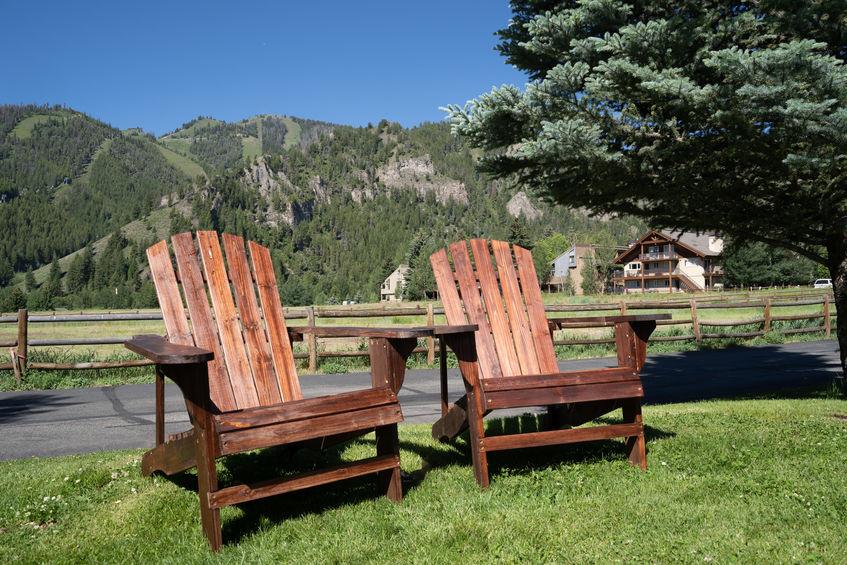
Wooden Adirondack chairs can vary widely in price, largely depending on the type of wood used and construction quality.
Premium hardwoods like teak, redwood, and eucalyptus usually come with a higher initial cost but offer superior durability.
These hardwoods, when properly maintained and sealed, often last 15 to 20 years or more.
This longevity can offset the upfront investment compared to cheaper woods that may degrade faster or require more frequent replacement.
Lower-cost wooden chairs may use softer woods that typically need more upkeep to resist weather damage.
Without regular sealing and care, these chairs can suffer from warping, cracking, or rot, reducing their useful life significantly.
| Wood Type | Average Lifespan | Typical Cost Range | Maintenance Needs |
|---|---|---|---|
| Teak | 20+ years | High | Moderate, sealing advised |
| Redwood | 15-20 years | Medium to high | Regular sealing required |
| Eucalyptus | 15-20 years | Medium | Regular sealing required |
| Softwoods | 5-10 years | Low | Frequent sealing needed |
While the cost-per-use ratio improves with hardwood chairs, the buyer must consider ongoing maintenance time and effort.
Those seeking lower hassle might pay more but avoid continual upkeep.
In summary, cost and durability for wooden Adirondack chairs are closely linked to the wood species and maintenance regimen.
The right choice balances upfront expense with expected longevity and upkeep commitment.
Bottom Line – How Long Do Wooden Adirondack Chairs Last?
The lifespan of wooden Adirondack chairs largely depends on the type of wood used and the level of maintenance.
Hardwoods like teak and cedar offer natural resistance to rot and decay, often lasting between 10 to 20 years or more when properly cared for.
Regular sealing and staining are essential to protect the wood from moisture and UV damage.
Neglecting maintenance can significantly shorten the chair’s durability.
Wooden Adirondack chairs may require occasional repairs to maintain structural integrity.
This ongoing care supports longevity and keeps them functional and visually appealing.
Choosing quality wood and committing to routine upkeep allows these chairs to serve as durable outdoor furniture.
They can become long-lasting pieces, sometimes passed down as family heirlooms.
Maintenance tips include:
- Monthly cleaning
- Annual resealing or staining
- Storing indoors or covering during harsh weather
These steps help maximize the chair’s lifespan and preserve its appearance.
Wooden Adirondack chairs represent an investment in both style and endurance when cared for properly.
Their durability aligns with the user’s attention to maintenance rather than the initial price alone.