 Natural gas grills are a popular choice for backyard cooking. But before installing one on your patio, you might wonder: are natural gas grills safe?
Many homeowners also question whether gas grills are safe when connected directly to a residential utility line. Learning how they work can put your mind at ease.
A natural gas grill is safe to use when it’s installed correctly, checked for leaks, and given enough space from your home and other structures. Most problems with these grills come from loose connections, old hoses, or poor placement, not from the fuel itself. When you follow basic safety steps, a natural gas grill can be used as safely as a propane grill.
This article explains what makes natural gas grills safe, which risks to watch for, and how to set up and use yours with confidence.
The Safety Verdict and Main Risks
 Natural gas grills are safe to use outdoors when you install, maintain, and operate them correctly. The main risks are gas leaks, fires, and carbon monoxide exposure.
When a Natural Gas Grill Is Safe to Use
A properly installed natural gas grill is safe when you prevent leaks, maintain the required clearance around it, and shut off the gas supply after cooking. You should also inspect connections and hoses regularly.
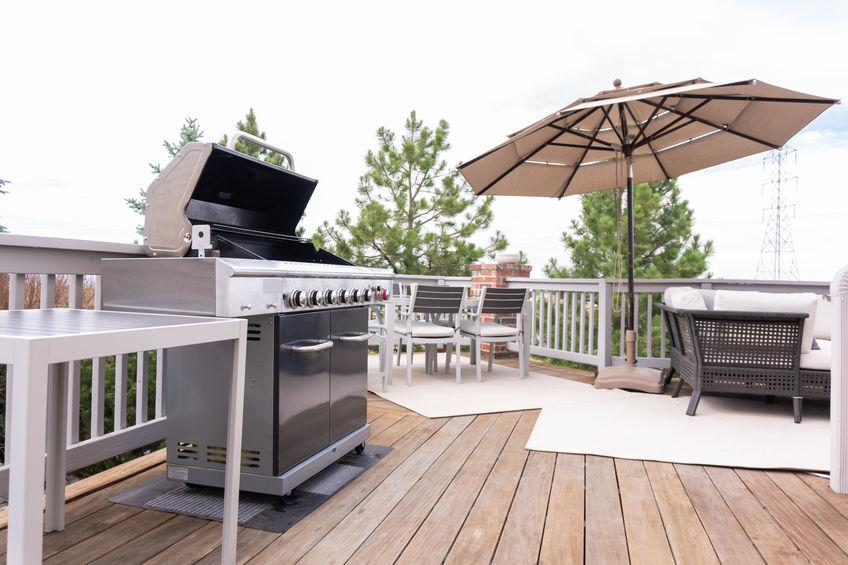
Your grill needs to sit on a flat, stable surface away from walls, railings, and anything that can catch fire. Follow the clearance distances in your grill’s manual; some safety guidance recommends keeping grills at least three feet from your home and other structures.
Gas grill safety also depends on using the grill as the manufacturer intends. Follow the instructions for lighting, cooking temperatures, and shutdown steps every time.
So, are natural gas grills safe for daily family cooking? Natural gas grills are generally safe when you follow these guidelines and the manufacturer’s safety instructions.
How Leaks, Fire, and Carbon Monoxide Create Danger
Gas leaks are one of the main safety concerns with any gas grill. A leak can occur at a loose connection, cracked hose, or worn valve.
You can check for leaks with a simple soap-and-water test. Apply the mixture to connections, then look for bubbles. Bubbles indicate escaping gas.
Fire risk increases when grease buildup coats the burners, cookbox, and grates. Cleaning your grill regularly keeps excessive grease buildup from igniting into dangerous flare-ups.
Carbon monoxide is a danger mainly when you use a grill in an enclosed or poorly ventilated space. Natural gas grills are designed for outdoor use only. Never run one in a garage, carport, or any area without adequate open-air ventilation.
Safe Installation and Placement
 A safe setup starts before you light the burner. You need the correct fuel line, a qualified installer, and a suitable spot in your yard.
Use the Correct Fuel and a Qualified Installer
A natural gas grill is built for a steady gas supply line, not a propane tank. You cannot switch fuels without changing the regulator and orifices, because natural gas operates at a lower pressure than propane.
Hire a licensed plumber or certified gas fitter to install and connect your gas line. A properly installed natural gas grill reduces the risk of leaks, a key hazard with this type of appliance.
Before your first cookout, check every connection with a soapy-water test. Bubbles at a joint indicate a leak. Shut off the gas and do not use the grill until the leak is fixed.
Keep the Shutoff Accessible and the Grill in Open Air
Your gas line needs an accessible shutoff valve that you can reach without moving the grill. Show anyone else who cooks on your grill where it is, so they can find it in an emergency.
Always grill outdoors in open air. Checking connections from the fuel source to the grill’s inlet is important because a hidden leak in an enclosed space can allow gas to accumulate. Carbon monoxide is produced by combustion, so never operate the grill in an enclosed space.
Never use a natural gas grill in a garage, a porch with poor airflow, or any covered structure without adequate ventilation. Carbon monoxide has no smell, so you may not notice a buildup before symptoms such as headache or dizziness appear.
Follow Manufacturer Clearances and NFPA Placement Guidance
Your grill’s manual lists minimum clearances from walls, railings, and overhangs. Follow these distances exactly, since they’re based on testing for your specific model.
The NFPA also provides general placement guidance for backyard grilling. NFPA grilling safety guidance recommends keeping grills away from the home, deck railings, and anything overhead, such as tree branches or eaves.
Here’s a quick checklist for placement:
- Keep at least 3 feet of open space around the grill on all sides, while following any larger clearance specified in the manual
- Set up on a flat, stable outdoor surface
- Avoid placing the grill under eaves, awnings, or low branches
- Keep children and pets at least 3 feet away while grilling
- Keep a working fire extinguisher mounted nearby in case of emergencies
Following the manufacturer’s clearance requirements and NFPA guidance helps reduce fire and gas hazards.
Checks and Habits for Every Cookout
 Natural gas grill safety depends on a short routine you repeat every time. These habits take just a few minutes and help lower the risk of gas leaks and fire.
Inspect Connections and Check for Leaks Before Lighting
Before you turn on the gas, inspect the hose and fittings that connect your grill to the gas line. Check for cracks, soft spots, or loose connections.
You can test for leaks with a simple soap-and-water solution. Apply it to the connections, then turn on the gas without lighting the grill. If bubbles form, you have a leak. Shut off the gas and don’t use the grill until it’s repaired.
Do this check at the start of grilling season and whenever you smell gas or move the grill. Gas leak tests help you catch small problems before they become dangerous.
Light With the Lid Open and Stay at the Grill
Always open the lid before lighting a natural gas grill. If gas builds up under a closed lid and then ignites, it can cause a flash fire or explosion.
Turn on the gas, then light the igniter immediately. Don’t let gas run for more than a few seconds before lighting. If the grill doesn’t light, turn off the gas and follow the manufacturer’s relighting instructions.
Once the grill is lit, stay nearby. Never leave a lit grill unattended, even for a short time.
Follow your grill’s manual for clearance from your house, deck railings, and anything that can catch fire, including dry plants. Some safety guidance recommends keeping grills at least 10 feet from these hazards.
Turn Off the Burners and Gas Supply After Cooking
When you finish cooking, turn off each burner knob. Then shut off the main gas supply valve that connects to your home’s gas line, following the manufacturer’s instructions.
This two-step shutdown turns off the burners and closes the gas supply, reducing the chance of gas escaping while the grill is not in use. Follow the manufacturer’s instructions for the correct shutdown sequence.
Let the grill cool fully before you cover it or move it. A cool grill is safer to clean and store, and it lowers the risk of burns or accidental fires. A clean grill with an intact hose and secure connections stays safer over time.
Maintenance That Prevents Fires
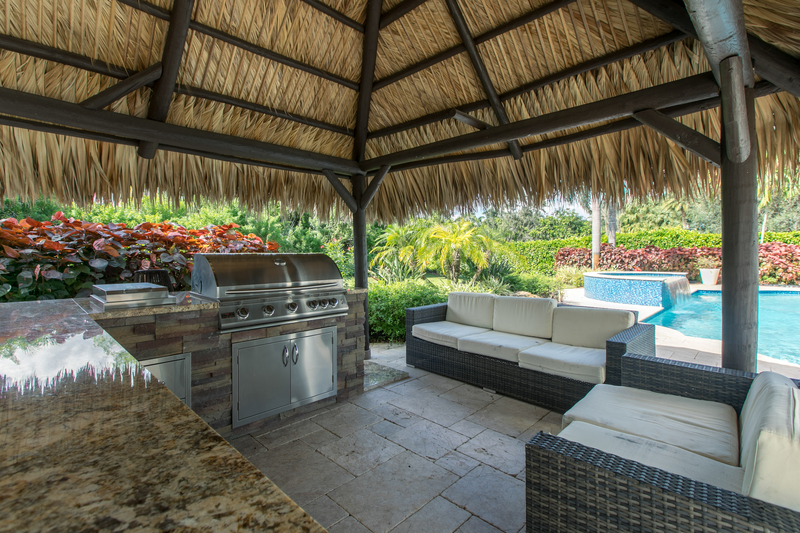 Many grill fires start because grease buildup, dirty burner ports, or a cracked hose went unnoticed. A few simple checks before and after each cookout can help catch these problems early.
Clean Drip Trays and the Grease Management System
Your grease management system helps prevent grease fires. When fat drips from the cooking area, excessive grease buildup in the collection tray can ignite from the heat below.
Check your drip tray every few uses. If you see a thick layer of grease or burnt residue, empty and clean it. Wipe down the tray with warm, soapy water, then dry it fully before putting it back. Some trays use disposable liners, which can make cleanup faster and reduce grease buildup.
Don’t just glance at the tray. Pull it out and look underneath too, since grease can pool in spots you don’t normally see. A clean grease management system helps lower fire risk and control smoke and odors, as outlined in this guide on preventing grill fires.
Inspect Burner Ports, Connectors, and Flames
Burner ports are small holes where gas mixes with air before it ignites. Over time, food debris, rust, or insects can clog these ports and cause uneven flames or flare-ups.
Use a wire brush or a toothpick to clear blockages, following the manufacturer’s cleaning instructions. Then turn on the grill and watch the flame pattern.
A healthy flame is generally steady and mostly blue across each burner. Yellow, orange, or flickering flames can indicate a clog or gas-flow problem.
While checking the burners, inspect the gas connectors too. Tighten any loose fittings only as directed by the manufacturer, and check hoses for cracks or soft spots.
A simple soapy-water test on the connections can reveal leaks: bubbles form if gas is escaping. These checks matter because small issues with burner ports or connectors can lead to bigger problems if ignored, according to this breakdown of fire risks most homeowners miss.
Check the Grill After Storage or Repairs
After your grill has been stored for weeks or months, don’t assume it’s ready to use again. Insects, especially spiders, can nest in burner tubes during storage, blocking gas flow and potentially causing flare-ups.
Before your first cookout of the season, inspect the burner tubes, hoses, and connections for blockages or damage. Do the same after repairing or replacing a part. After fixing a hose, replacing a regulator, or reattaching a burner, test the connections with soapy water to check for leaks before lighting the grill.
Run the grill on low heat for a few minutes and watch for unusual smells, irregular flames, or hissing sounds. These signs can point to a problem that needs attention before you cook again.
What to Do When Something Goes Wrong
A gas smell, a sudden flare-up, or a fire that will not go out each calls for a different response. Knowing what to do ahead of time helps you act quickly and stay safe.
Respond to a Gas Smell or Suspected Leak
If you smell gas near your grill, stop what you are doing. Do not light the igniter or turn any knobs.
Move everyone away from the grill immediately. If you can do so safely, turn off the gas supply at the source, such as the cylinder valve or the home’s gas line shutoff.
Do not stay near the grill to search for the leak yourself. This aligns with guidance from the Illinois State Fire Marshal, as noted in a guide on gas grill troubleshooting.
Once you are at a safe distance, call the fire department. Do not use the grill again until a qualified technician has inspected it and confirmed the leak has been fixed.
Handle a Flare-Up or Grease Fire Without Using Water
A small flare-up from dripping fat is normal and usually settles on its own. You can often control it by closing the lid briefly to reduce oxygen or moving food away from the flame.
A grease fire is different. It burns hot and can spread quickly. Water can make it worse by splattering burning grease.
Instead, turn off all burners and the gas supply if you can reach the controls safely. Keep a fire extinguisher rated for grease fires near your grill, and use it if the fire does not go out after you shut off the gas.
Familiarize yourself with your fire extinguisher before you cook. If the fire keeps growing, do not try to fight it alone.
Know When to Evacuate and Call Emergency Services
Some situations call for leaving the area instead of trying to fix the problem. Flames coming from the hose, control panel, or near the gas cylinder are not normal and mean you should move away immediately.
If a fire keeps growing after you turn off the gas, or you cannot safely reach the controls to shut it off, leave the area. Move everyone a safe distance from the grill and call 911 or your local fire department.
Never approach a grill surrounded by flames or a visible gas cloud. Do not try to move a leaking cylinder. Wait for emergency responders or a qualified professional to confirm the grill is safe before using it again.
How Natural Gas Compares With Other Grill Fuels
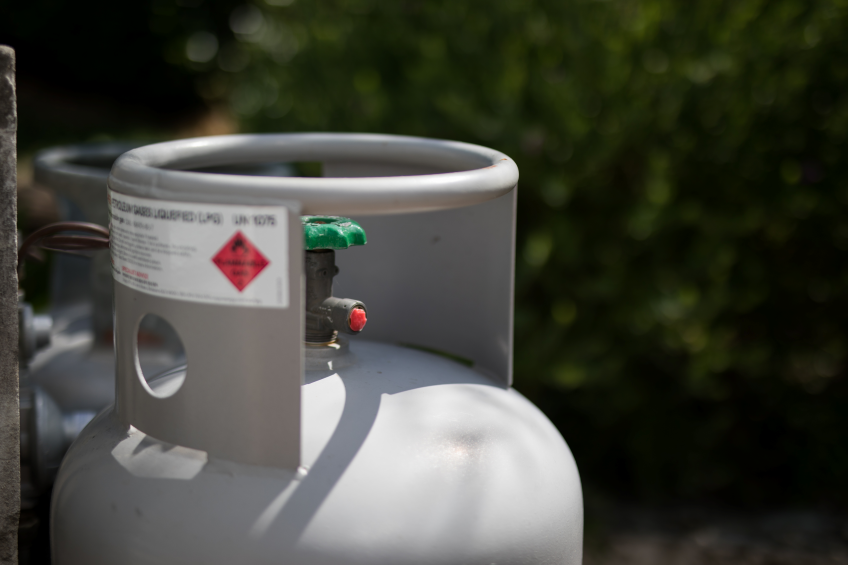 Natural gas, propane, and charcoal grills each have different safety risks. Knowing how they compare helps you understand the main concerns for each fuel type.
Fixed Gas Lines Versus Propane Tanks
A natural gas grill connects to a fixed line running from your house. You do not store a fuel tank near the grill, which eliminates the risk of a nearby tank leaking or being exposed to grill heat.
Propane grills rely on a portable tank. A damaged valve, a loose connection, or a tank left in direct sunlight can create a leak you might not notice right away.
Natural gas lines also mean you can’t run out of fuel mid-cook. But a fixed line has a tradeoff: if the line itself is damaged or improperly installed, you can’t simply swap it out like a tank. Professional installation matters.
For gas orifices and pressure, you can’t use a natural gas grill with propane, or vice versa, because each fuel requires different-sized orifices to match its pressure.
Fire and Ventilation Risks Compared With Charcoal
Charcoal grills produce open flames and hot coals that can remain dangerous long after cooking ends. They also release carbon monoxide, particularly when used in enclosed spaces such as garages or covered porches.
Natural gas grills burn cleaner, but they still produce carbon monoxide. Use a well-maintained grill outdoors in a well-ventilated area to reduce the risk.
When weighing fuel types, you might wonder: are gas grills safe compared to charcoal models? Gas units do not produce flying embers or hot ashes, though they still involve an open flame and require careful use.
Ventilation matters for all grill types. Never use a gas or charcoal grill in an enclosed space. Carbon monoxide can build up quickly indoors, and it has no smell to warn you.
Trusted Natural Gas Grills from a Reputable Brand
 Choosing one of the best natural gas grills from a reputable brand can help you enjoy outdoor cooking with greater confidence. Established manufacturers such as Napoleon, Weber, and Bull Outdoor Products offer grills designed for dependable performance, but are natural gas grills safe?
Yes, when properly installed, maintained, and used according to the manufacturer’s instructions. However, even a premium grill requires the right safety precautions.
Here are three natural gas grills worth considering:
- Napoleon Prestige 500 RSIB Natural Gas Grill: This premium stainless steel grill features infrared side and rear burners, offering versatility for searing steaks, preparing side dishes, and cooking rotisserie meals. It’s a strong option for outdoor cooks who want additional cooking capabilities.
- Weber Genesis E-415 Natural Gas Grill: With four burners and a practical design for outdoor cooking, this Weber grill is worth considering for families and anyone who regularly hosts backyard barbecues. Its natural gas connection also eliminates the need to replace or refill portable propane tanks.
- Bull Outdoor Products Outlaw 60,000 BTU Drop-In Grill Head: Designed for built-in outdoor kitchens, this stainless steel grill head offers substantial cooking power and a permanent installation option for homeowners planning a dedicated grilling area.
Regardless of which natural gas grill you choose, safety should always come first. Have the gas connection installed by a qualified professional, inspect connections regularly, and check for leaks using an appropriate method recommended by the manufacturer.
Always operate your grill outdoors in a well-ventilated area, keep it away from combustible materials, and clean grease buildup to reduce the risk of flare-ups. Never use a gas grill inside a garage or enclosed space, even with the door open.
The bottom line: A quality natural gas grill from a trusted brand can be a safe and convenient choice for outdoor cooking when installed and operated correctly. Choosing a reputable manufacturer is a good starting point, but proper maintenance and safe grilling practices are what help reduce the risks associated with gas leaks, fires, and carbon monoxide exposure.
FAQ:Are Natural Gas Grills Safe?
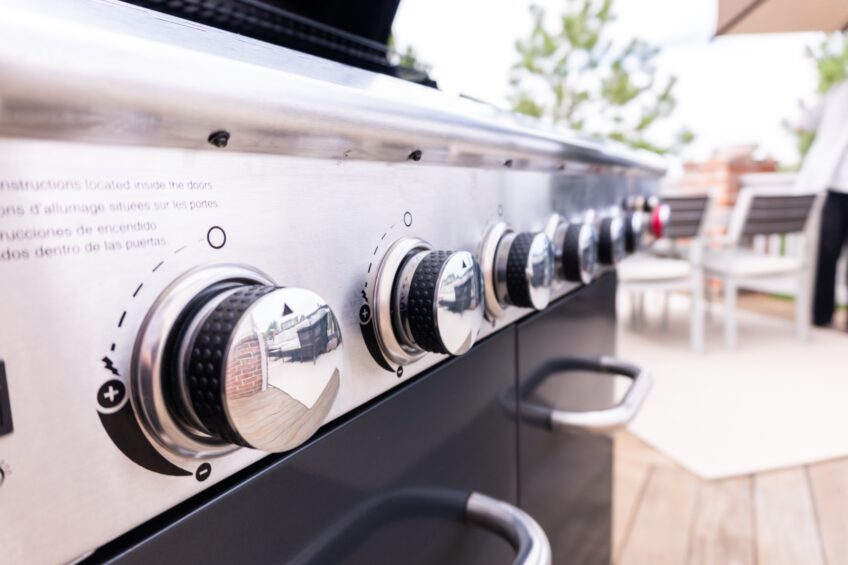 Yes, natural gas grills are generally safe when properly installed, maintained, and used outdoors according to the manufacturer’s instructions. However, they involve risks from gas leaks, fire, burns, and carbon monoxide. Following basic safety precautions helps reduce these hazards and makes outdoor cooking safer.
Can Natural Gas Grills Cause Carbon Monoxide Poisoning?
Yes. Natural gas grills produce carbon monoxide (CO), an odorless, colorless gas that can cause serious illness or death when inhaled in sufficient quantities. Never use a natural gas grill indoors, in a garage, or in an enclosed or partially enclosed space. Always grill outdoors in a well-ventilated location, following the manufacturer’s clearance requirements.
Can a Natural Gas Grill Leak Gas?
Yes. Leaks can develop in gas lines, connectors, valves, or other components because of damage, corrosion, or improper installation. A gas leak can create a fire or explosion hazard.
Have the grill and its gas connection installed according to the manufacturer’s instructions and local requirements. If you smell gas or suspect a leak, do not ignite the grill or operate electrical switches nearby. Shut off the gas supply if you can do so safely, move away from the area, and contact your gas supplier or emergency services as appropriate.
Are Natural Gas Grills Safer Than Propane Grills?
Neither fuel is automatically safer in every situation. Both natural gas and propane grills produce carbon monoxide and can cause fires or explosions if gas escapes and ignites.
Natural gas grills connect to a fixed gas supply, while propane grills typically use a portable cylinder. Each system has different installation, connection, and maintenance requirements. Safe operation depends on correct installation, proper ventilation, regular inspection, and following the manufacturer’s instructions.
How Far Should a Natural Gas Grill Be From a House?
Follow the clearance distances specified by the grill manufacturer and applicable local fire-safety requirements. Keep the grill away from combustible walls, railings, overhanging branches, and other materials that could catch fire. Do not assume a covered patio, balcony, or garage is suitable without checking the manufacturer’s instructions and local rules.
How Do You Maintain a Natural Gas Grill Safely?
Inspect the gas hose or piping, connections, burners, and ignition system regularly. Look for corrosion, cracks, blockages, or other signs of damage, and arrange repairs when necessary. Keep grease trays clean to reduce flare-ups, and never leave a lit grill unattended.
Follow the manufacturer’s shutdown procedure after cooking and turn off the gas supply as instructed.