

This content has been archived. It may no longer be relevant


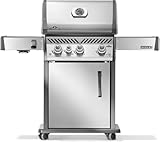
 The Weber Q1400 is a compact, easy-to-use grill ideal for small spaces and urban living.
Powered by electricity, it eliminates the need for charcoal or propane.
Its cast-iron grates retain heat well, delivering delicious sear marks.
The sleek gray design is both modern and portable, perfect for balconies or patios.
Simple to plug in and start grilling, it’s a hassle-free option for everyday use.
 The Char-Broil Patio Bistro TRU-Infrared (Electric)is a stylish electric grill built for compact outdoor spaces.
Its TRU-Infrared technology ensures even heat with fewer flare-ups.
The graphite finish gives it a sleek, modern look.
Despite its smaller footprint, it offers ample cooking space for everyday grilling.
Convenient and easy to use, it’s perfect for patios, balconies, or small gatherings.
Charcoal Grills — Classic smoke & high-heat sear
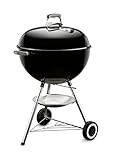 The Weber Original Kettle 22″ is a timeless classic for charcoal grilling lovers.
Its 22-inch size provides plenty of space to cook for family and friends.
The porcelain-enameled bowl and lid retain heat while resisting rust and peeling.
Dampers allow precise temperature control for versatile cooking.
Durable, iconic, and easy to use, it’s a favorite for authentic barbecue flavor
 The PK Grills is a versatile grill and smoker built for durability and mobility.
Made from cast aluminum, it offers superior heat retention and rust resistance.
Its compact, portable design makes it perfect for camping, tailgating, or backyard cooking.
The unique capsule shape provides excellent airflow for both grilling and smoking.
With the Aaron Franklin Edition, it combines expert craftsmanship with award-winning barbecue credibility.
Pellet Grills — Wood smoke + set-and-forget precision
 The Traeger Pro 575 is a smart wood pellet grill that blends technology with rich, smoky flavor.
It features WiFIRE connectivity, letting you control cooking from your phone.
With precise temperature control, it doubles as a grill and smoker.
The Pro 575 offers generous cooking space for family meals or entertaining.
Modern, convenient, and flavorful, it’s a top choice for tech-savvy grillers.
 The Pit Boss 700FB is a heavy-duty pellet grill built for big flavor and versatility.
With 700 square inches of cooking space, it can handle large meals with ease.
The digital control board makes adjusting temperatures simple and precise.
Fueled by natural hardwood pellets, it delivers rich, smoky taste every time.
Durable and powerful, it’s ideal for both backyard cooks and barbecue enthusiasts.
-
 The Z GRILLS 7002B/7002E is a versatile 8-in-1 wood pellet grill and smoker designed for all-in-one outdoor cooking.
Its 700-square-inch cooking area handles large meals with ease.
Auto temperature control ensures precise, consistent grilling every time.
Made for durability, it delivers rich, smoky flavor using natural wood pellets.
Ideal for backyard chefs, it combines convenience, performance, and variety in one grill.
Quick takeaway: For pure smoke character, charcoal and pellet win.
For weeknight ease and still-great sear, gas is king.
Electric keeps HOAs and apartments happy while still delivering tasty grill marks.
Availability and specs can change—always check the current listing before you buy.
Grill Accessories That Enhance Flavor
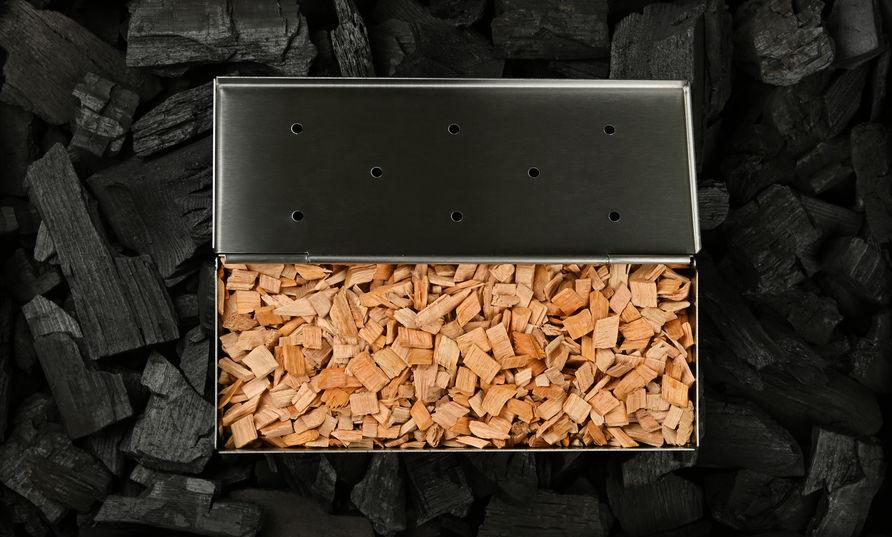
The right accessories can dramatically transform the taste of grilled food through smoke infusion and improved heat transfer.
Wood chips and specialized cooking surfaces are the most effective tools for adding distinct flavors to any grilling setup.
Smoking Chips and Planks
Wood chips and planks add authentic smoky flavors that penetrate deep into meats and vegetables.
Different wood types produce distinct taste profiles that complement specific foods.
Hickory delivers a strong, bacon-like flavor perfect for pork and beef.
Apple and cherry woods provide mild, fruity notes ideal for poultry and fish.
Mesquite creates an intense, earthy taste suited for red meats.
Soaking wood chips for 30 minutes prevents them from burning too quickly.
This creates steady smoke production over longer cooking periods.
Cedar planks work exceptionally well for salmon and other fish.
The wood imparts subtle flavors while preventing delicate proteins from sticking to grill grates.
 Gas grill users need smoker boxes or foil packets to contain wood chips.
Charcoal grillers can place chips directly on hot coals for immediate smoke generation.
Grill Grates and Surfaces
Cast iron grates retain heat better than standard steel versions and create superior sear marks.
The material develops natural non-stick properties over time through proper seasoning.
Porcelain-coated grates resist rust and clean easily but can chip under high heat.
They work well for delicate foods that tend to stick.
 Grill baskets prevent small vegetables and seafood from falling through grate openings.
Perforated designs allow smoke and heat circulation while keeping food secure.
 Pizza stones create even cooking surfaces for bread and indirect grilling methods.
These accessories eliminate hot spots that cause uneven cooking.
Regular cleaning maintains optimal heat transfer and prevents old food residues from affecting new dishes.
Wire brushes remove buildup effectively when grates are still warm.
Cooking Techniques for Maximum Flavor

The way food is cooked on a grill directly impacts its final taste and texture.
Proper heat management, flavor penetration methods, and moisture retention techniques separate exceptional grilled food from mediocre results.
Direct Versus Indirect Grilling
Direct grilling places food directly over the heat source, creating temperatures between 400-500°F.
This method works best for thin cuts like steaks, burgers, fish fillets, and vegetables that cook in under 20 minutes.
The high heat creates the Maillard reaction, forming a caramelized crust that locks in juices.
Food should be flipped only once to maintain proper searing.
Indirect grilling positions food away from the heat source, using temperatures between 225-350°F.
This technique suits thick cuts like whole chickens, roasts, and large vegetables requiring longer cooking times.
The heat circulates around the food like an oven, cooking evenly without burning the exterior.
Place a drip pan under the food to catch juices and prevent flare-ups.
For combination cooking, sear food over direct heat first, then move to indirect heat to finish cooking through.
Marinating and Seasoning
Marinating requires three key components: acid, oil, and seasonings.
Acids like vinegar, citrus juice, or wine break down tough fibers while infusing flavor.
Oil carries fat-soluble flavors and prevents sticking.
Salt-based seasonings should be added 40 minutes before grilling to penetrate the meat properly.
Marinating times vary by protein:
- Fish: 15-30 minutes
- Chicken: 2-4 hours
- Pork: 4-8 hours
- Beef: 6-24 hours
Dry rubs create flavorful crusts without moisture.
Apply rubs 30 minutes to 2 hours before cooking, depending on salt content.
Sugar-based rubs caramelize quickly, so monitor closely to prevent burning.
Store leftover marinades separately from raw meat for food safety.
Basting and Smoke Infusion
Basting adds moisture and flavor layers during cooking.
Apply sauces containing sugar only in the final 10-15 minutes to prevent burning.
Oil-based bastes work throughout the cooking process.
Butter-based options add richness but require careful temperature control.
Smoke infusion enhances flavor on any grill type.
Soak wood chips for 30 minutes, then place them in smoker boxes or foil packets with holes.
Different woods create distinct flavors:
- Apple/Cherry: Mild, sweet
- Hickory: Strong, bacon-like
- Oak: Medium, balanced
- Mesquite: Intense, earthy
Add fresh herbs like rosemary or thyme directly to coals for aromatic smoke.
Replace wood chips every 45-60 minutes for consistent smoke production.
Comparing Taste Results: Popular Grill Types

Consumer Reports conducted controlled taste tests comparing gas, pellet, and charcoal grills, while multiple expert evaluations have ranked different grill types based on flavor enhancement capabilities.
Blind Taste Test Studies
Consumer Reports conducted a comprehensive cook-off comparing food prepared on gas, pellet, and charcoal grills.
The study focused on measuring taste differences across these three popular grill types.
Charcoal grills consistently produced the most distinctive flavor profiles in controlled tests.
The high-heat cooking and smoke production created noticeable differences compared to other grill types.
Gas grills delivered reliable results with moderate flavor enhancement.
While they didn’t match charcoal’s smoky characteristics, they produced consistently good-tasting food across various cooking methods.
Pellet grills showed strong performance in flavor tests.
They combined convenience with enhanced taste through controlled wood smoke infusion during the cooking process.
Electric grills performed adequately in taste comparisons but ranked lower than gas options.
The absence of open flame and smoke production limited their flavor development capabilities.
Expert Opinions
Grilling experts consistently rank charcoal grills highest for authentic barbecue flavor.
Professional chefs note the significant taste differences between charcoal and other grill types.
Wood-fired grills receive top ratings from culinary professionals.
They provide the most complex flavor profiles through natural smoke and high-temperature cooking capabilities.
Ceramic grills earn praise for flavor retention and temperature control.
Experts appreciate their ability to maintain consistent heat while adding subtle smoky characteristics.
Gas grills receive moderate expert ratings for taste quality.
While convenient, professionals acknowledge they cannot replicate the authentic smoky flavors of charcoal or wood-fired options.
Electric grills receive the lowest expert ratings for flavor enhancement.
Most culinary professionals consider them suitable for convenience but limited in taste development potential.
Other Factors Affecting Perceived Flavor
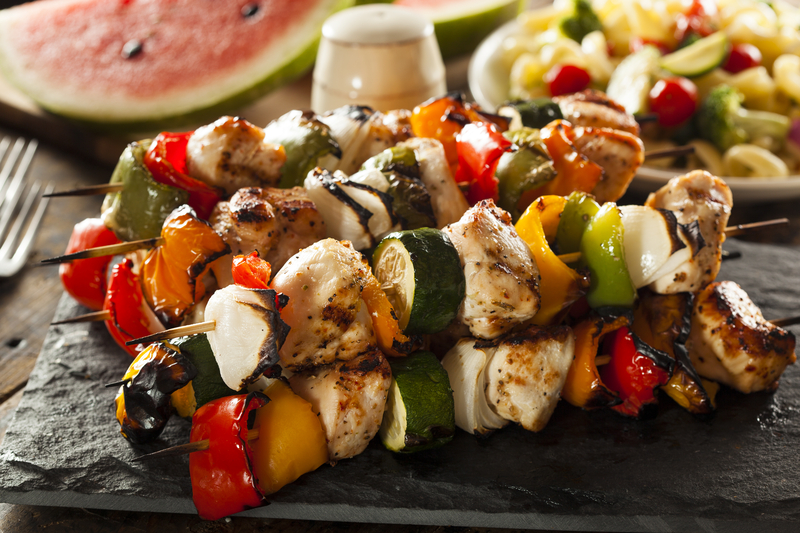
The quality of ingredients and precise temperature control influence grilled food flavor as much as the grill type itself.
Proper meat selection and cooking techniques can enhance or diminish the natural flavors that different grilling methods produce.
Meat Quality and Preparation
Prime and choice grade meats contain higher fat marbling, which creates more flavorful results during grilling.
The intramuscular fat renders during cooking, basting the meat internally and contributing to taste development.
Marinating times affect flavor penetration differently across proteins:
- Chicken: 2-6 hours optimal
- Beef steaks: 6-24 hours
- Pork chops: 4-12 hours
Salt application timing impacts moisture retention.
Salting meat 40-60 minutes before grilling allows salt to penetrate and redistribute moisture throughout the protein.
Meat thickness determines heat penetration and cooking evenness.
Steaks cut 1-1.5 inches thick develop better crust formation while maintaining interior moisture.
Thinner cuts cook too quickly for proper Maillard reaction development.
Room temperature meat before grilling ensures even cooking.
Cold meat placed directly on hot grates creates temperature gradients that result in overcooked exteriors and undercooked centers.
Cooking Times and Temperatures
Direct heat temperatures between 450-500°F optimize Maillard reactions without burning surface proteins.
Temperatures below 400°F produce insufficient browning, while temperatures above 550°F char food before interior cooking completes.
Internal temperature accuracy prevents overcooking:
| Protein | Target Temperature |
|---|---|
| Chicken breast | 165°F |
| Beef medium-rare | 130-135°F |
| Pork chops | 145°F |
| Fish fillets | 145°F |
Resting periods after grilling allow juices to redistribute.
Steaks require 5-10 minutes resting time, while whole chickens need 15-20 minutes.
Flipping frequency affects moisture retention.
Single flips for steaks and burgers maintain better texture than multiple turns.
Fish requires careful timing to prevent breaking apart.
Heat zone management creates cooking flexibility.
Two-zone setups allow searing over direct heat followed by gentler indirect cooking for thicker cuts.
Conclusion
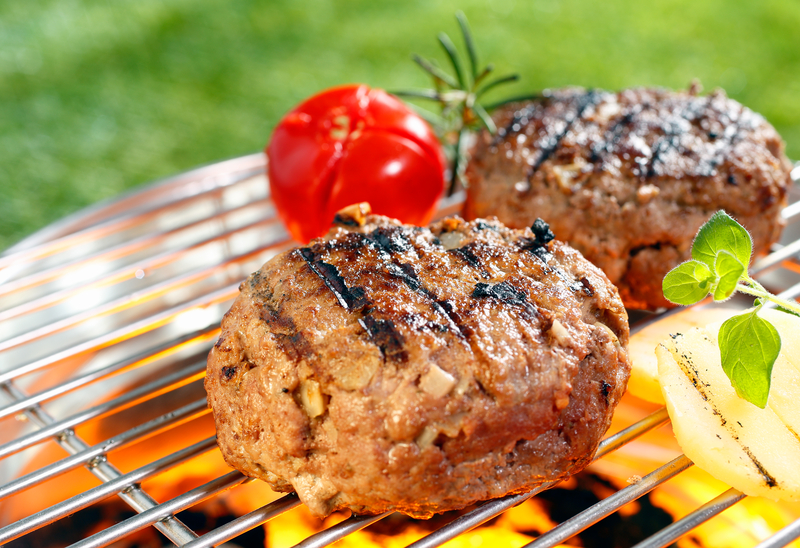
The debate between charcoal, gas, and electric grills ultimately comes down to personal preference and cooking priorities.
Each grill type produces distinct flavor profiles that appeal to different tastes.
Charcoal grills deliver the most authentic smoky flavor through wood combustion.
The higher temperatures and smoke infusion create complex taste layers that many consider superior.
Gas grills offer convenience while still providing good flavor development.
They produce less smoke than charcoal but maintain the ability to create the Maillard reaction that enhances taste.
Electric grills prioritize convenience and consistency over traditional grilled flavors.
They lack the smoke element but can still produce well-cooked food with proper technique.
| Grill Type | Flavor Intensity | Convenience | Smoke Production |
|---|---|---|---|
| Charcoal | High | Low | High |
| Gas | Medium | High | Medium |
| Electric | Low | Highest | None |
The “best” tasting grill depends on individual preferences for smoky flavors versus cooking convenience.
Charcoal enthusiasts value the traditional smoky taste, while gas and electric users prioritize ease of use.
Consider your cooking style, flavor preferences, and lifestyle when choosing a grill.
Each type can produce delicious results when used properly with quality ingredients and proper technique.